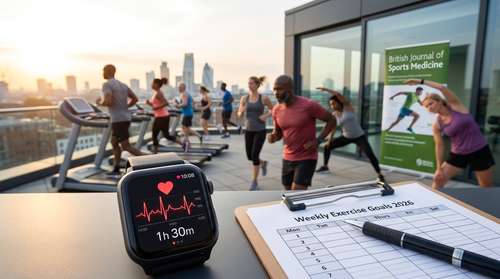
(February 23, 2026) — The era of the gym as a mere "sweat box" is officially over. In a rapidly evolving landscape where longevity fitness trends 2026 are prioritizing healthspan over aesthetics, major fitness operators are pivoting hard toward clinical integration. Just this weekend, industry reports from February 21, 2026, highlighted a seismic shift in how Americans are approaching exercise, moving away from extreme performance and toward "Medical Fitness." This transition comes as new research suggests that without proper data, extreme training might actually accelerate aging, making the role of biologically monitored fitness more critical than ever.
The Medical Fitness Revolution: Gyms Becoming Clinics
The defining trend of early 2026 is the transformation of the traditional health club into a primary care extension. No longer satisfied with subjective mirrors and scales, members are demanding medical fitness center benefits that offer clinical-grade diagnostics. This weekend's industry updates confirmed that leading brands are officially blurring the lines between healthcare and fitness.
Leading this charge is the Active Wellness 2026 longevity initiative. In a move that has sent ripples through the industry, Active Wellness recently appointed Angie Dobrowski as the new Director of Active Aging and Medical Fitness. This strategic role is designed to spearhead their 2026 commitment to closing the gap between healthspan (the years we live in good health) and lifespan. Dobrowski, previously recognized as the 2025 Wellness Professional of the Year, is tasked with overseeing evidence-based programming like the "Re:Act Brain and Body Training."
"We are doubling down on our mission to inspire active lives through the lens of longevity," stated Michele Wong, COO of Active Wellness, in a recent press statement. The company's "Activate" model—which upsells members into a medically integrated tier—has already seen a 10% conversion rate, proving that consumers are willing to pay a premium for data-backed health longevity.
Biological Age vs. Chronological Age Fitness
Why this sudden shift? A startling study released on February 21, 2026, found that extreme endurance events, such as ultramarathons, may damage red blood cells and potentially accelerate biological aging in some individuals. This revelation has fueled the demand for biological age vs chronological age fitness protocols, where the goal is not to punish the body, but to optimize it based on internal biomarkers.
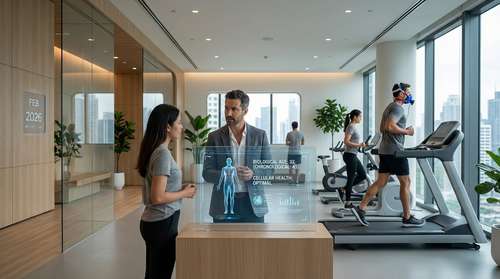
In 2026, "biological age" is the only metric that matters. Members are now routinely screening their VO2 max training for longevity, alongside Heart Rate Variability (HRV) and epigenetic clock data, to ensure their workouts are rejuvenating them rather than breaking them down. This data-first approach allows trainers to act as allied health professionals, prescribing exercise doses with the precision of a pharmacist.
The Rise of the AI "Digital Twin"
To manage this influx of biological data, the future of fitness technology 2026 has birthed the concept of the AI "Digital Twin." Platforms are now using real-time biomarker data to create a virtual model of a member's physiology. Before you even tie your shoes, your Digital Twin analyzes your sleep, HRV, and stress levels to determine if your body needs a high-intensity session or a recovery-focused "JOMO" (Joy of Missing Out) day.
Actionable Protocols: How to Lower Biological Age with Exercise
For those looking to capitalize on these trends, the guidance from medical fitness experts is clear. The "no pain, no gain" mantra is being replaced by "measure, monitor, maintain." Here is how the new medical fitness model suggests you train:
- Prioritize Zone 2 Cardio: Low-intensity, steady-state cardio is being championed as the foundation for mitochondrial health and longevity, distinguishing it from the inflammatory stress of constant HIIT.
- Preserve Muscle Mass with GLP-1 Companions: With the ubiquity of weight-loss medications like Ozempic and Wegovy, gyms are rolling out specialized strength protocols designed specifically to prevent muscle wasting (sarcopenia) in users, a critical component of healthy aging.
- Track Your VO2 Max: Considered the ultimate vital sign for longevity, improving your VO2 max is now a primary clinical goal. Medical fitness centers are offering regular testing to benchmark this key predictor of all-cause mortality.
The Future is Active Aging
As we move deeper into 2026, the gym is no longer just a place to get fit; it is a sanctuary for cellular preservation. With initiatives like those from Active Wellness setting the standard, and new research warning against unchecked intensity, the path forward is clear. The future belongs to the "medical athlete"—the everyday person armed with clinical data, training smarter to turn back their biological clock.