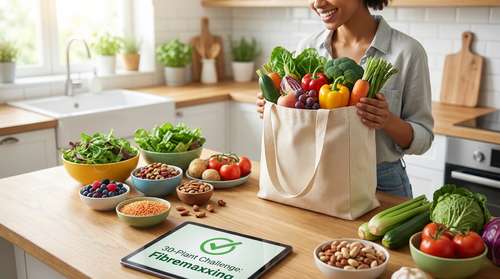
Move over, protein. In 2026, the internet’s most obsessed-over macronutrient is fiber, but not as you know it. Dubbed “Fibremaxxing” on TikTok and Instagram, this viral movement has shifted the wellness conversation from restriction to radical abundance. The challenge? To consume at least 30 different plant-based foods every single week. It’s a trend that reframes gut health as a game of diversity, encouraging followers to pile their plates with everything from purple carrots and hemp seeds to kimchi and dark chocolate.
What is Fibremaxxing?
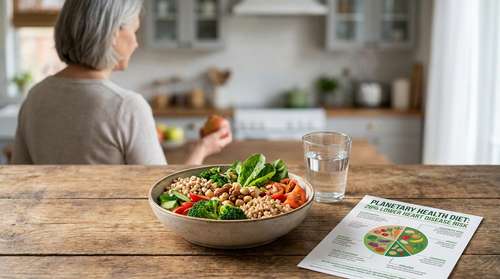
Fibremaxxing is the viral rebranding of “additive eating.” Unlike the restrictive diets of the early 2020s that focused on cutting carbs or counting calories, Fibremaxxing is about adding variety. The goal is to maximize the diversity of plant fibers you consume to supercharge your gut microbiome. Influencers and health experts alike are trading in their steak-heavy meal prep for “biodiverse bowls” packed with lentils, ancient grains, and a rainbow of vegetables.
The trend gained traction in early 2026 as a counter-movement to the “protein fatigue” many felt after years of obsessive protein tracking. “We spent the last five years obsessing over grams of protein, but our guts are starving for diversity,” explains nutrition content creator and advocate for the movement. “Fibremaxxing isn’t just about being full; it’s about feeding the trillions of bacteria that run your immune system.”
The Science: Why 30 Plants?
While the term “Fibremaxxing” is new, the science behind it is solid. The trend is grounded in data from the American Gut Project, one of the largest studies on the human microbiome. Researchers found that participants who ate more than 30 different types of plants per week had significantly more diverse gut microbiomes than those who ate 10 or fewer.
A diverse microbiome is linked to better digestion, improved metabolic health, and even stronger mental resilience. The magic lies in the variety: different gut bacteria prefer different types of fiber. By eating a wide range of plants, you cultivate a richer ecosystem in your gut, leading to what experts in 2026 are calling “metabolic resilience.”
The Rules of the Challenge
Participating in the 30-plant challenge is simpler than it sounds, thanks to a flexible point system that has taken over social media. Here is how the viral tracking works:
- 1 Point: Any fruit, vegetable, whole grain, legume, nut, or seed.
- 1/4 Point: Herbs, spices, garlic, and ginger.
- Bonus Rule: Different colors count as different points! A red bell pepper and a yellow bell pepper are two separate points because they contain different polyphenols.
- Surprise Additions: Coffee, dark chocolate (70%+), and popcorn (non-buttered) all count as plant points.
How to ‘Fibremax’ Like a Pro: 3 Viral Hacks
hitting 30 plants might sound daunting, but savvy “fibremaxxers” have developed hacks to hit their weekly quota by Wednesday. Here are the most popular strategies trending right now:
1. The "Traffic Light" Peppers Hack
Stop buying just green peppers. By grabbing a mixed bag of red, yellow, and orange peppers, you instantly triple your plant points for that ingredient. The same applies to carrots (buy the purple and yellow mix) and apples. Diversity isn’t just about different foods; it’s about the full color spectrum.
2. The "Sprinkle" Strategy
This is the easiest way to rack up 5-6 points in seconds. Keep a jar of “savory sprinkles” on your counter—a mix of sesame seeds, flaxseeds, chia seeds, pumpkin seeds, and sunflower seeds. Sprinkle this mix over avocado toast, salads, or soups. You’ve just added five distinct plants to a meal without cooking a thing.
3. The Mixed-Bag Win
Frozen fruit and veggie mixes are the unsung heroes of this trend. A single bag of “mixed berries” often contains strawberries, blueberries, blackberries, and raspberries. Toss a cup into your morning smoothie, and you’ve banked four points before 9 AM.
Sample 1-Day ‘Fibremaxxing’ Menu
Wondering what a day of additive eating looks like? You can easily hit nearly 20 points in a single day with this simple menu:
- Breakfast: Oatmeal (1) topped with mixed berries (3), flaxseeds (1), walnuts (1), and a dash of cinnamon (0.25). Total: ~6 Points
- Lunch: Quinoa (1) salad with chickpeas (1), cucumber (1), cherry tomatoes (1), red onion (1), fresh parsley (0.25), and olive oil dressing. Total: ~5.25 Points
- Dinner: Lentil (1) curry with sweet potato (1), spinach (1), ginger (0.25), turmeric (0.25), and garlic (0.25), served over brown rice (1). Total: ~4.75 Points
- Snack: An apple (1) with almond butter (1) and a square of dark chocolate (1). Total: 3 Points
A Word of Warning: The ‘Fiber Shock’
While the benefits of Fibremaxxing are immense, experts caution against going from 0 to 100 too quickly. Rapidly increasing fiber intake can lead to bloating and digestive discomfort, known online as “fiber shock.” The consensus from dietitians in 2026 is to “ladder up”—add just 2-3 new plants per week and drink plenty of water to help your gut adapt. Slow and steady wins the race to a healthier microbiome.