The American grocery aisle is bracing for a seismic shift. Last week, U.S. Health and Human Services Secretary Robert F. Kennedy Jr. announced that the Food and Drug Administration will release the country's first-ever official ultra-processed foods definition by April 2026. Speaking on the Joe Rogan Experience podcast on March 4, Kennedy confirmed that this historic regulatory move will lay the groundwork for sweeping changes to how Americans buy and consume food.
For decades, shoppers have navigated a labyrinth of confusing ingredient lists, misleading health halos, and complex nutritional jargon. Now, the looming April deadline signals the launch of aggressive new processed food regulations designed to target the root causes of chronic illness. By legally defining what constitutes an ultra-processed food (UPF), the federal government aims to force transparency onto a food industry that currently relies heavily on synthetic additives and industrial formulations.
What the New Ultra-Processed Foods Definition Means
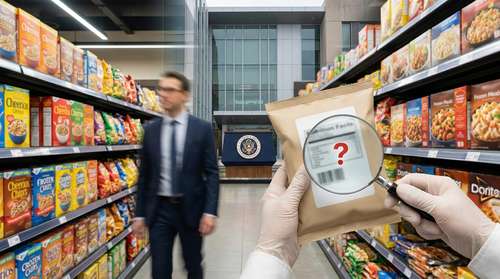
Currently, the U.S. food supply operates without a single, authoritative standard for what makes a food "ultra-processed". While independent scientists frequently rely on the Nova classification system—which flags industrial formulations, artificial colors, and cosmetic additives like high-fructose corn syrup—federal regulators have lacked a statutory framework to enforce national health standards. Because of this ambiguity, a heavily processed protein bar packed with synthetic sweeteners can legally be marketed with the same healthy vernacular as a whole-food snack.
Kennedy noted that the upcoming FDA baseline will actively address the controversial "Generally Recognized as Safe" (GRAS) loophole. Enacted by Congress in 1958, the GRAS exemption allows food manufacturers to bypass rigorous government oversight by independently declaring their own ingredients safe. Current estimates suggest between 4,000 and 10,000 chemicals are circulating in the American food supply under this loosely monitored framework.
By establishing a concrete federal definition, regulators will secure the legal teeth necessary to address severe UPF health risks. Researchers have increasingly linked diets high in industrial additives to cardiometabolic diseases, obesity, and the skyrocketing rates of childhood chronic illness. The new standard is expected to assess not just nutritional macros, but the actual physical processing techniques and the presence of synthetic emulsifiers and preservatives.
The Future of Grocery Aisles: A Front-of-Pack Labeling System
Defining these products is only the first phase of the administration's broader strategy. As soon as the definition drops in April, the agency plans to rapidly deploy a new front-of-pack labeling system to help consumers instantly identify unhealthy items without needing a degree in nutrition science.
During his recent podcast appearance, Kennedy suggested the government is favoring a highly visible "traffic light" design—utilizing red, yellow, and green graphic indicators to communicate a product's overall healthfulness at a single glance. This represents a stark departure from the FDA's previously proposed 2025 "Nutrition Info box," which would have simply listed whether saturated fat, sodium, and added sugars were high, medium, or low. The new traffic light approach will evaluate the entirety of a product's ingredient list, placing a heavy penalty on synthetic dyes, hydrogenated oils, and non-nutritive sweeteners.
Driving the MAHA Nutrition Agenda
This aggressive regulatory pivot is a cornerstone of the MAHA nutrition agenda (Make America Healthy Again). Since taking office, the administration's MAHA Commission has published extensive strategies to remove petroleum-based food dyes by the end of 2026, revamp the Supplemental Nutrition Assistance Program (SNAP), and overhaul the dietary guidelines to explicitly warn against highly processed foods.
Under the direction of RFK Jr health policy initiatives, the FDA and USDA have been gathering data through a joint Request for Information since July 2025. The findings from that multi-agency initiative are heavily informing the exact parameters of the April UPF definition, directly linking agricultural practices with end-consumer health outcomes.
How the Industry is Reacting to FDA Nutrition Labels 2026
The impending regulation has understandably sent shockwaves through the food manufacturing sector. Industry trade groups, such as the Consumer Brands Association, have previously pushed back against attempts to categorize their products under a blanket "ultra-processed" label. They argue that companies already adhere to rigorous, evidence-based safety standards to deliver the affordable and convenient products that modern families rely on.
However, the regulatory reality is closing in fast. Legal experts anticipate that the new FDA nutrition labels 2026 rollout will compel companies to rapidly reformulate their product portfolios. Brands are highly motivated to avoid the dreaded "red light" warning symbol on their principal display panels, which could decimate sales of legacy snack foods and sugary cereals. Many corporations are already scrambling behind the scenes to substitute artificial colors and chemical preservatives with natural alternatives to maintain their market share.
State-level legislation is applying additional pressure. Over the past year, states like California and Texas have advanced their own localized ingredient restrictions and UPF definitions, creating a fragmented compliance nightmare for national brands. While a unified federal definition will streamline these varying rules across state lines, it guarantees that the standard for what qualifies as "healthy" is about to become significantly stricter nationwide.
As April rapidly approaches, consumers can expect a fundamentally transformed retail landscape. By forcing manufacturers to operate with total ingredient transparency, the upcoming ultra-processed foods definition aims to shift purchasing power back to the public, permanently altering the way America eats.