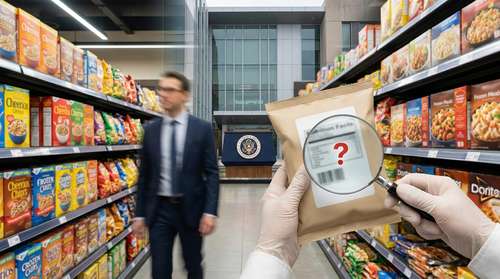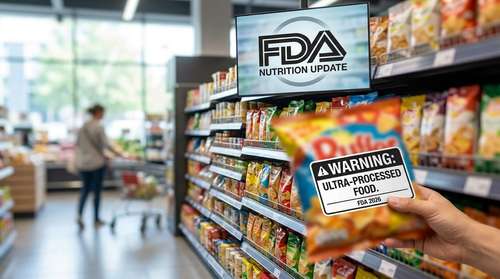
The grocery store aisles are about to undergo their most dramatic transformation in decades. Following landmark Congressional testimony from Health Secretary Robert F. Kennedy Jr. on April 17, federal agencies are rapidly accelerating the rollout of mandatory ultra-processed food warning labels. The directive signals a sweeping pivot toward the Make America Healthy Again (MAHA) initiative, completely reshaping how the government regulates ingredients and communicates nutritional value to the public.
For years, consumer advocacy groups have pushed for transparency regarding industrial food additives. Now, the Department of Health and Human Services is turning those demands into actionable federal policy. By directly targeting synthetic dyes, chemical preservatives, and excessive sugar, the forthcoming regulations aim to fundamentally alter American eating habits.
Decoding the FDA Nutrition Update 2026
During his Capitol Hill appearance, Secretary Kennedy detailed a comprehensive strategy to combat chronic disease by restructuring the nation's food supply. At the center of this push is a unified federal definition for ultra-processed products, expected to be formalized by the end of April. Once established, the Food and Drug Administration will mandate front-of-package markers designed to instantly alert consumers to potential health hazards.
Instead of burying complex chemical names in microscopic font on the back of a cereal box, the new system intends to put the truth front and center. Early proposals suggest a color-coded traffic light design—green, yellow, and red—that evaluates the overall healthfulness of a product. If a packaged snack relies heavily on artificial flavor enhancers or industrial seed oils, it will likely earn a stark red warning.
The regulatory sprint is heavily tied to the FDA's Human Foods Program 2026 Priority Deliverables. This ambitious roadmap explicitly targets the Generally Recognized as Safe (GRAS) loophole, a decades-old mechanism that allowed food and chemical companies to self-certify the safety of new additives without rigorous federal oversight. By closing this regulatory blind spot, the agency is ensuring that unverified chemicals no longer bypass public scrutiny.
Exposing Processed Food Health Risks
The urgency behind these changes stems from skyrocketing rates of obesity, type 2 diabetes, and autoimmune conditions. Lawmakers and health officials are increasingly pointing to the standard American diet as the primary culprit. Supported by parallel legislative efforts like the Childhood Diabetes Reduction Act (H.R. 6294), the upcoming FDA nutrition update 2026 represents a shift from merely managing chronic illnesses to actively preventing them through clearer consumer education.
The Make America Healthy Again Diet Explained
Beyond just warning labels, the April 17 testimony solidified the administration's commitment to the Make America Healthy Again diet. This is not a fleeting trend, but a foundational shift in federal health recommendations. The MAHA framework actively discourages the consumption of lab-created additives and heavily refined carbohydrates.
Instead, the RFK Jr health initiative champions a return to whole food nutrition. The updated guidance heavily prioritizes nutrient-dense sources of sustenance, specifically whole animal proteins, raw dairy where legally accessible, and high-fiber agricultural products. It marks a stark departure from previous eras of federal dietary advice that often demonized natural fats while giving a pass to highly processed grain alternatives.
Aligning with the New Dietary Guidelines for Americans
As federal agencies finalize the new dietary guidelines for Americans, shoppers can expect grocery store layouts to shift in response. Supermarkets will likely expand their fresh perimeter sections—featuring local meats, organic produce, and single-ingredient foods—while center-aisle real estate dedicated to boxed, hyper-processed convenience items may begin to shrink as consumer demand wanes under the pressure of the new warning system.
Navigating Your Next Grocery Shop
So, how will these ultra-processed food warning labels change your weekly routine? In the short term, prepare for a period of adjustment. Many household staples long marketed as healthy or low-fat may suddenly sport red hazard indicators due to their hidden emulsifiers, chemical stabilizers, or synthetic vitamin fortifications.
The financial implications for multinational food conglomerates are staggering. To avoid the stigma of a red warning label, massive corporate reformulations are already underway. Brands are desperately trying to substitute petroleum-based food dyes and controversial preservatives like BHA and BHT with natural alternatives.
Shoppers will need to rethink their go-to purchases. Prioritizing foods that lack a barcode entirely is the simplest way to bypass the new warning system. When navigating the packaged aisles, consumers will find themselves naturally gravitating toward products that secure the coveted green designation. The era of blind consumption is ending, replaced by an aggressively transparent approach to public health that empowers the everyday consumer to make better choices for their family.