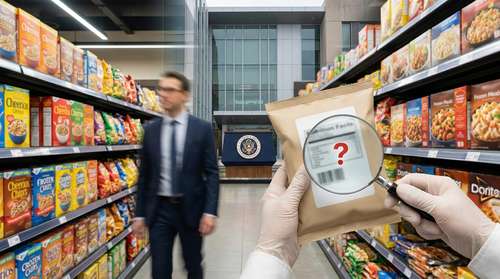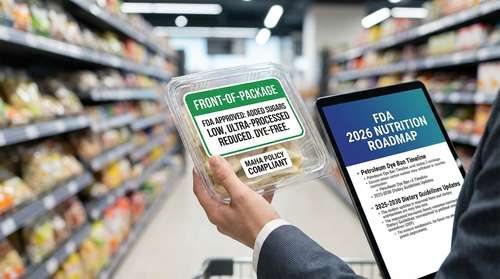
In a transformative shift for American food policy, the U.S. Food and Drug Administration (FDA) officially unveiled its 2026 Human Foods Program priorities this Friday, cementing the Trump administration’s "Make America Healthy Again" (MAHA) agenda. The comprehensive roadmap, released January 23, outlines aggressive new measures to overhaul the nation’s diet, headlined by mandatory Front-of-Package labeling requirements and a historic strategy to eliminate petroleum-based food dyes. Under the direction of Health and Human Services Secretary Robert F. Kennedy Jr., the agency is moving faster than anticipated to redefine food safety and transparency for millions of consumers.
Front-of-Package Labeling: A New Era of Transparency
The centerpiece of the FDA's 2026 strategy is the finalization of a mandatory Front-of-Package (FOP) labeling program. Building on proposals introduced in early 2025, the new rules will require manufacturers to display "High," "Medium," or "Low" indicators for saturated fat, sodium, and added sugars directly on the front of product packaging. This "at-a-glance" system is designed to cut through marketing hype and empower shoppers to make split-second, health-conscious decisions.
"This is about more than just information; it’s about shifting the marketplace," stated an FDA spokesperson during the Friday briefing. By forcing brands to broadcast high levels of unhealthy ingredients, the agency expects a wave of voluntary reformulation as companies scramble to avoid the dreaded "High" designation. This move aligns directly with the administration’s goal to reverse the trajectory of diet-related chronic diseases like obesity and diabetes, which currently account for nearly 90% of U.S. healthcare spending.
Cracking Down on Petroleum-Based Food Dyes
Perhaps the most radical departure from past policy is the FDA's definitive timeline for the petroleum-based food dye ban. The 2026 deliverables confirm that the agency is working with industry stakeholders to phase out six ubiquitous synthetic dyes—including Red 40, Yellow 5, and Yellow 6—by the end of 2027. Immediate action is already being taken to revoke authorizations for lesser-used agents like Orange B and Citrus Red No. 2.
To prevent supply chain disruptions, the FDA is simultaneously fast-tracking the approval of natural color alternatives derived from fruits, vegetables, and spices. This "transition over prohibition" approach aims to satisfy the Make America Healthy Again nutrition policy mandate of removing toxic chemicals while keeping grocery shelves stocked. Manufacturers are now on notice: the era of brightly colored, artificially dyed processed foods is drawing to a close.
Defining "Ultra-Processed" and Slashing Sugar
For the first time, the FDA is formally prioritizing the creation of a federal definition for ultra-processed foods (UPFs). The 2026 roadmap specifically targets the risks associated with high consumption rates of UPFs, signaling potential future regulations or warning labels similar to those seen in Latin American countries. This regulatory groundwork is critical for distinguishing between wholesome, nutrient-dense staples and chemically engineered products.
Parallel to the UPF definition is a renewed added sugar reduction strategy. Following the release of the 2025-2030 Dietary Guidelines for Americans earlier this month—which advised that no amount of added sugar is healthy for children under four—the FDA is ramping up pressure on the beverage and snack industries. The new roadmap includes stricter enforcement on "healthy" claims, ensuring that products laden with added syrups and sweeteners can no longer masquerade as nutritious options.
Closing the GRAS Loophole
A quieter but equally significant pillar of the 2026 plan is the overhaul of the "Generally Recognized as Safe" (GRAS) notification process. For decades, companies could self-determine that a chemical additive was safe without FDA review. The new priorities seek to close this loophole, requiring mandatory submission of GRAS notices. This ensures that every new chemical entering the food supply faces federal scrutiny before it reaches consumers, a key demand of health advocates and the MAHA leadership.
Context: The 2025-2030 Dietary Guidelines Updates
These regulatory actions do not happen in a vacuum. They are the enforcement arm of the recently released 2025-2030 Dietary Guidelines updates, which marked a "historic reset" of U.S. nutrition policy. The guidelines explicitly pivoted away from "pharmaceutical" approaches to health, emphasizing whole foods, full-fat dairy, and high-quality proteins while demonizing refined carbohydrates and seed oils.
With the FDA 2026 nutrition priorities now public, the message to the food industry is clear: adapt to the new standard of "real food" or face regulatory obsolescence. As Secretary Kennedy noted in previous remarks, the goal is nothing short of a healthier, metabolically restored America.