The fitness landscape has undergone a seismic shift as we settle into 2026. Marking its 20th anniversary, the ACSM worldwide survey of fitness trends has released a landmark report that signals a convergence of healthcare and gym culture like never before. While wearable technology fitness tools have reclaimed the number one spot, the most disruptive narrative this year is the meteoric rise of exercise for weight management to its highest ranking ever—a direct response to the millions of Americans now navigating life on GLP-1 medications. As the industry pivots to meet these new demands, the focus has moved squarely to "muscle-first" training protocols designed to combat the side effects of rapid weight loss.
The GLP-1 Effect: Why 'Muscle-First' Training is Essential
For the first time in the survey's two-decade history, weight management exercise 2026 has surged to the #3 spot. This isn't just about burning calories anymore; it is a medical necessity driven by the widespread use of anti-obesity drugs like Wegovy and Zepbound. While these medications are revolutionary for weight reduction, they come with a significant catch: the potential for rapid loss of lean muscle mass, often referred to as sarcopenic obesity.
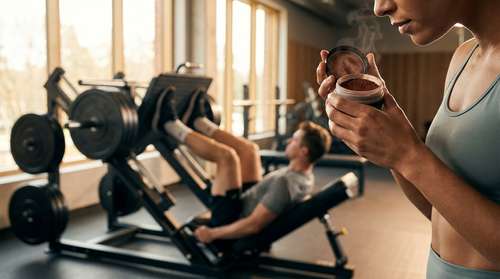
The ACSM report highlights a critical industry pivot toward muscle retention GLP-1 protocols. Fitness professionals are now prioritizing strength training for weight loss over traditional cardio-heavy routines for these clients. The goal is to stimulate muscle protein synthesis to counteract the catabolic effects of the drugs. Expect to see gyms offering specialized "GLP-1 Companion" classes that focus heavily on resistance training, protein timing, and preserving metabolic health.
From Weight Loss to Weight Management
The terminology itself has evolved. The trend is no longer just "weight loss"—which implies a temporary phase—but "weight management," acknowledging the chronic nature of obesity and the long-term lifestyle changes required. This shift validates the role of the exercise professional as a crucial partner in the medical treatment team, bridging the gap between a prescription and sustainable health.
Wearable Tech 2.0: Beyond Step Counting
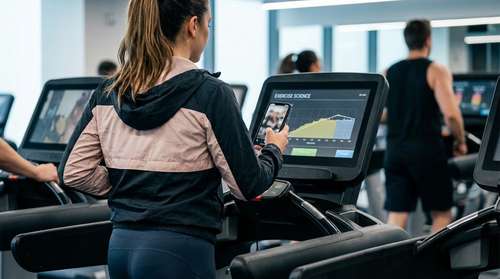
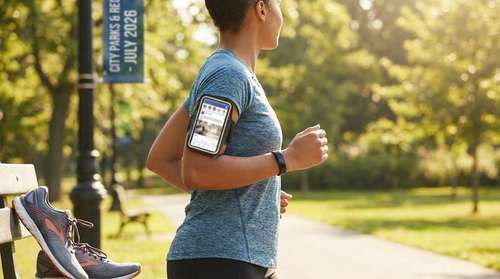
Reclaiming the throne as the #1 trend in the 2026 fitness trends forecast is wearable technology fitness. However, the devices of 2026 are vastly more sophisticated than their predecessors. We have moved beyond simple step counters to advanced biosensors capable of monitoring blood glucose, heart rate variability (HRV), and even detecting early signs of illness or falls.
This resurgence is fueled by the demand for data-driven personalization. Users today expect their smartwatches to tell them not just what they did, but how their body is recovering. The integration of this data into medical records allows for a more seamless preventive health strategy. For instance, coaches can now use real-time biometric data to prescribe precise training loads, minimizing injury risk while maximizing performance.
The Silver Tsunami: Active Aging Rebranded
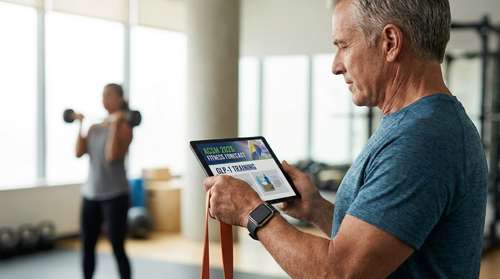
Coming in at #2 is active aging workouts, reflecting the demographic reality of the "Silver Tsunami." With over 70 million Baby Boomers now in their older adult years, the demand for age-appropriate fitness is exploding. However, the ACSM report notes a crucial branding shift: programs labeled "senior fitness" are out. Today's older adults want "active aging," "longevity training," or "functional fitness."
This generation is not looking for chair aerobics; they are seeking strength and mobility work that prolongs their independence. The trend emphasizes functional movements—squats, carries, and balance work—that directly translate to daily life activities. This aligns perfectly with the broader industry focus on healthspan over just lifespan.
Mind-Body and Mobile: The Holistic Approach
Rounding out the top five are Mobile Exercise Apps (#4) and Balance, Flow, and Core Strength (#5). The continued dominance of apps speaks to the hybrid fitness model that has become permanent post-pandemic. Meanwhile, the rise of mind-body modalities like Pilates and yoga suggests a growing public awareness of the need for recovery and mental resilience alongside physical exertion.
As we navigate 2026, the message from the ACSM is clear: the wall between medicine and fitness has crumbled. Whether it's preserving muscle while on medication, using data to prevent disease, or training for a century-long life, the gym is now the front line of modern healthcare.