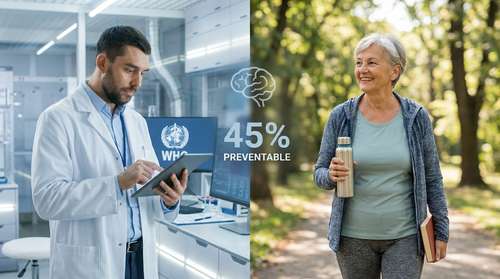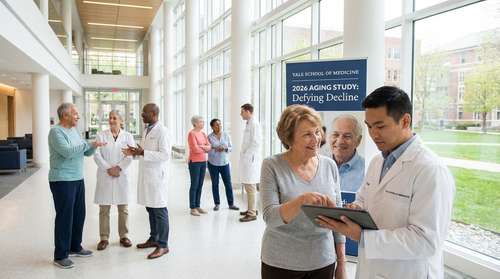
In a stunning challenge to the long-held narrative of inevitable decline, a groundbreaking Yale aging study 2026 released this week reveals that nearly half of older adults actively improve their health as they age. The research, led by renowned epidemiologist Dr. Becca Levy at the Yale School of Public Health, found that 45% of adults aged 65 and older experienced measurable gains in cognitive or physical function over a 12-year period. Published Thursday in the journal Geriatrics, these findings suggest that healthy aging is not just about preservation, but potential restoration.
Shattering the "Inevitable Decline" Myth
For decades, the medical community has often viewed aging as a one-way street toward frailty and memory loss. However, this latest analysis of over 11,000 Americans participating in the Health and Retirement Study paints a radically different picture. The data shows that significant improvement in later life is not an anomaly reserved for genetic outliers—it is a common occurrence.
"Many people equate aging with an inevitable and continuous loss of physical and cognitive abilities," said Dr. Levy, lead author of the study. "What we found is that improvement in later life is not rare, it's common, and it should be included in our understanding of the aging process."
The study tracked participants for up to 12 years, measuring physical function in elderly adults via walking speed—a key geriatric "vital sign" linked to longevity—and cognitive performance through global assessments. The results were striking: 32% of participants improved cognitively, while 28% improved physically. When combined, nearly half of the cohort demonstrated meaningful recovery in at least one domain, defying the stereotype of a "steady slide" into disability.
The Science of "Reserve Capacity"
What drives this unexpected recovery? The Yale researchers identify a biological and psychological phenomenon known as "reserve capacity." This concept suggests that the aging brain and body retain a latent ability to repair and optimize function, often triggered by lifestyle shifts or, crucially, a positive aging mindset.
Cognitive Improvement in Seniors
The study highlights that cognitive improvement in seniors is more accessible than previously thought. Even participants who started with mild impairments or average baselines showed the capacity to sharpen their mental acuity. This aligns with neuroplasticity research suggesting that the brain continues to forge new neural pathways well into the ninth and tenth decades of life.
Dr. Levy's team emphasized that these gains weren't random. They were strongly correlated with modifiable factors, particularly how individuals perceived their own aging process. Those who rejected ageist stereotypes were significantly more likely to tap into this reserve capacity.
Mindset as Medicine: The Role of Age Beliefs
A central pillar of this geriatric health breakthrough is the impact of "stereotype embodiment." The study found that positive age beliefs were a potent predictor of recovery, often outweighing traditional factors like cholesterol levels or blood pressure. Seniors who viewed aging as a time of wisdom and growth were far more likely to experience physical and mental rebounds compared to those who viewed it as a period of uselessness.
This "mindset effect" creates a physiological feedback loop. Positive beliefs are known to reduce cortisol (stress) levels and improve cardiovascular response, creating a biological environment that fosters repair. "Our findings suggest there is often a reserve capacity for improvement in later life," Levy noted. "And because age beliefs are modifiable, this opens the door to interventions at both the individual and societal level."
Longevity News 2026: Practical Takeaways
As longevity news 2026 continues to focus on high-tech interventions, this study offers a refreshing, accessible path to better health. It implies that changing how we speak and think about aging could be as vital as diet or exercise. Here are key takeaways for seniors looking to harness these findings:
- Reframe the Narrative: Actively challenge negative thoughts about "senior moments" or frailty. Recognize that the body can strengthen at any age.
- Stay Mobile: Since walking speed was a primary metric for physical gain, consistent, moderate movement remains the most effective tool for maintaining physical function.
- Seek Cognitive Challenge: Engage in novel learning experiences—learning a new language or instrument—to stimulate the brain's plasticity.
This Yale breakthrough fundamentally shifts the goalposts for geriatric care. By proving that decline is not the default, it empowers millions of older adults to expect—and achieve—more from their later years.