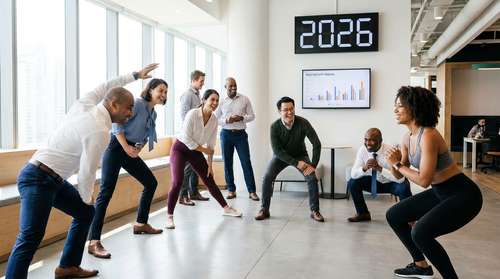
Your fitness tracker might be aggressively reminding you to hit 10,000 steps, but the medical community has a different prescription for April 2026. A massive paradigm shift has officially overthrown the grueling hour-long gym session. Welcome to the era of snack-sized workouts. These short bursts of high-intensity physical activity—ranging from a mere 30 seconds to a 10-minute cap—have become the defining fitness movement of the year. Not only do they seamlessly fit into the most time-crunched modern lifestyles, but a cascade of recent clinical data proves they offer outsized health benefits. If you have been searching for a realistic 5-minute fitness routine, the science of exercise snacks is about to change how you move.
The Breakthrough Science Validating Exercise Snacks 2026
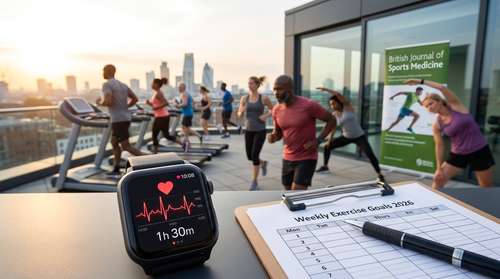
The concept of micro-workouts isn't entirely new, but the sheer volume of clinical backing they have received in the last few days has pushed them into the medical mainstream. On March 31, 2026, a groundbreaking analysis of nearly 100,000 individuals revealed that short, vigorous bursts of movement lowered the risk of dementia by a staggering 63%. This builds on a comprehensive meta-analysis published earlier this year in the British Journal of Sports Medicine, which confirmed that brief bouts of activity drastically improve cardiorespiratory fitness in previously sedentary adults.
Researchers use the clinical term VILPA—Vigorous Intermittent Lifestyle Physical Activity—to describe these intense, unchoreographed bursts of exertion. Think sprinting up a flight of stairs, carrying heavy groceries, or doing rapid air squats between remote meetings. The data shows that accumulating just three to four minutes of VILPA daily can reduce overall mortality risk by 40% and slash cardiovascular death risk by nearly 50%. Perhaps the most impressive statistic from the recent literature is the 83% adherence rate. Traditional workout programs often fail because people lack time and motivation. Micro-workouts eliminate both barriers.
Metabolic Health Boosters and Weight Management
For those looking at micro-workouts for weight loss and blood sugar management, the physiological mechanics of exercise snacking are particularly compelling. Extended aerobic workouts primarily burn fat over time, but explosive, one-minute efforts tap into anaerobic energy systems. When you push your body to its limit for 60 seconds, you trigger an immediate adrenaline response and increase lactate production in the muscles.
This forces your body to shuttle glucose out of the bloodstream and into muscle cells to be used for energy. Studies show that performing an exercise snack 30 minutes before or after a meal significantly flattens the subsequent blood sugar spike. This immediate glucose regulation acts as one of the most effective metabolic health boosters available, particularly for individuals battling insulin resistance. Over time, these frequent energetic demands stimulate mitochondrial biogenesis—your cells build more powerhouses, elevating your baseline metabolic rate and transforming how your body processes fuel.
From Living Rooms to the Office: No-Equipment Exercise Trends
The logistics of traditional fitness demand preparation: packing a gym bag, commuting, and blocking out a massive chunk of time. The current wave of no-equipment exercise trends thrives on spontaneity. You don't need a heavy barbell or a joint-punishing treadmill run to reap the rewards. Your own body weight and immediate environment provide all the necessary resistance.
Because these routines require zero setup, they are uniquely adaptable. A corporate employee can execute chair squats in a cubicle, while a stay-at-home parent can perform high knees in the kitchen. This frictionless approach is precisely why health professionals are aggressively prescribing exercise snacking to combat the pervasive health risks of chronic sitting.
Active Aging Fitness: Protection Without the Pounding
As the global population shifts, active aging fitness has become a priority for geriatric physicians. The beauty of the exercise snack approach is its supreme adaptability for older adults. For senior demographics, the focus of an exercise snack shifts from raw, breathless intensity to mobility, balance, and muscular activation.
Brief sessions of standing backbends, modified chair squats, or brisk power walking stimulate blood flow and preserve lean muscle mass without triggering the prolonged systemic inflammation sometimes associated with grueling endurance training. The recent dementia risk-reduction findings further cement the reality that keeping the brain bathed in oxygenated blood via frequent, small doses of movement is a powerful neuroprotective strategy.
Building Your 5-Minute Fitness Routine
Implementing this trend requires a mindset shift: you are no longer setting aside time to work out; you are simply punctuating your day with movement. Here is how to construct a daily menu of exercise snacks seamlessly:
- The Morning Primer: Before your coffee brews, execute one minute of brisk jumping jacks or dynamic stretching. This spikes your heart rate and clears morning brain fog instantly.
- The Desk Break: Every two hours, step away from your monitor. Perform 15 to 20 bodyweight squats or wall push-ups. Targeting large muscle groups like the legs is the fastest way to clear glucose from the bloodstream.
- The Transit Sprint: Instead of taking the elevator, walk briskly up three flights of stairs. If you commute, power-walk the final block to your destination.
- The Post-Dinner Pace: A brisk two-minute power walk right after eating actively limits insulin spikes and aids digestion.
The absolute dominance of snack-sized workouts in 2026 represents a refreshing democratization of wellness. Health and longevity are no longer gated behind expensive club memberships or exhausting daily commitments. By stepping up the pace of everyday tasks and injecting brief moments of physical intensity into the margins of your schedule, you can fundamentally alter your physiological trajectory. The human body was designed for frequent movement, and science has finally provided the hard evidence to keep it short, intense, and incredibly effective.