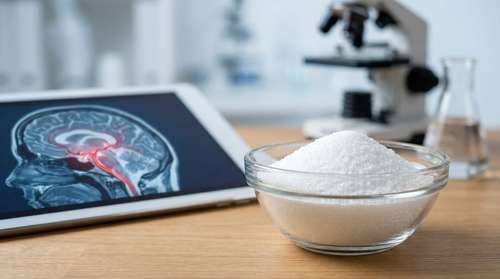
For years, health-conscious consumers have reached for zero-calorie sugar substitutes to manage weight and avoid the metabolic pitfalls of traditional sugar. However, a groundbreaking study published on March 28, 2026, by the University of Colorado Boulder is forcing a severe reevaluation of those daily habits. The research has uncovered a troubling link between the popular keto additive and severe vascular dysfunction, thrusting erythritol stroke risk into the national spotlight. According to the findings, even typical consumption levels can impair brain blood vessel function, elevate oxidative stress, and hinder the body's natural ability to break down clots—creating the perfect storm for a cardiovascular event.
The Hidden Drawbacks of a Popular Sugar Substitute
Erythritol is a naturally occurring sugar alcohol often manufactured by fermenting corn. Since the U.S. Food and Drug Administration approved it for use in 2001, it has become a staple in the booming low-carb and ketogenic food markets. Because it offers about 80% of the sweetness of table sugar with virtually zero calories and no insulin spike, it is ubiquitous in everything from "sugar-free" sodas to protein bars and keto ice cream.
Despite its widespread adoption, experts have increasingly scrutinized sugar substitute health effects. While earlier observational studies—such as a major Cleveland Clinic report involving 4,000 adults in the United States and Europe—flagged a strong correlation between circulating erythritol levels and severe cardiac events, the exact biological mechanisms remained elusive. This new 2026 CU Boulder research bridges that gap, demonstrating exactly how this specific compound interacts with the fragile microvascular structure of the human brain.
How Erythritol Damages Brain Blood Vessels and Barriers
To understand the underlying zero calorie sweetener dangers, scientists isolated human cerebral microvascular endothelial cells—the vital cells that line the blood vessels and form the protective blood-brain barrier. This barrier functions as a strict security system, welcoming nutrients while barring entry to harmful substances. The researchers exposed these cells to approximately 30 grams of erythritol, the equivalent amount found in just one typical artificially sweetened beverage or a single pint of keto-friendly ice cream.
The results were alarming. Lead researcher Auburn Berry and senior author Christopher DeSouza, director of the Integrative Vascular Biology Lab at CU Boulder, noted that the exposure triggered a cascading series of cellular failures. Primarily, the treated cells produced nearly 100% more reactive oxygen species, triggering immense oxidative stress. Simultaneously, the sweetener crippled the production of nitric oxide—a crucial molecule responsible for allowing blood vessels to relax, widen, and accommodate proper blood flow during times of physical demand.
The Double Threat to Stroke Prevention
A sudden drop in nitric oxide isn't the only concern for keto sweetener brain health. The researchers found that erythritol simultaneously stimulates the overproduction of endothelin-1, a powerful vessel-constricting agent. This means blood vessels are not only failing to dilate but are actively being forced to narrow, potentially starving brain tissue of vital oxygen.
Furthermore, the sugar alcohol actively sabotages the body's emergency defense system against blood clots. Typically, cells release tissue plasminogen activator—a natural "clot buster"—to dissolve blockages before they cause critical damage. Erythritol severely impairs this fibrinolytic capacity. As Berry explained, if your vessels are constricted and your ability to break down blood clots is lowered, your risk of experiencing an ischemic stroke goes up dramatically.
Is Erythritol Safe in 2026? What Consumers Need to Know
With these cell-level revelations making headlines, a critical question arises: is erythritol safe 2026? For individuals managing diabetes or metabolic syndrome, the risk-to-benefit calculation has suddenly become much more complex. While regulatory agencies have not yet revoked the ingredient's Generally Recognized As Safe (GRAS) status, the scientific consensus is shifting rapidly.
The most immediate concern lies in the dosage. The CU Boulder study observed significant cellular damage after exposing tissues to just a single serving of the sweetener. For consumers who drink multiple diet beverages a day, use sugar-free baking blends, and snack on low-carb treats, the cumulative exposure could substantially magnify the risks associated with erythritol and heart disease. DeSouza emphasized that while the findings are currently based on laboratory cell cultures, the implications for daily human consumption are too significant to ignore.
Navigating Nutrition News Today: Actionable Advice
As we process this breaking nutrition news today, medical professionals are urging the public to take a much closer look at product ingredient labels. While outright panic isn't necessary, a prudent reevaluation of daily dietary habits is strongly recommended for anyone prioritizing long-term vascular health.
Here are a few actionable steps you can take to protect your brain and cardiovascular system:
- Read labels carefully: Manufacturers often blend erythritol with other sweeteners like stevia or monk fruit to bulk up the product. Look closely for terms like "sugar alcohol" or "erythritol" on the nutrition facts panel.
- Practice moderation: If you choose to consume sugar substitutes, treat them as occasional indulgences rather than daily hydration or snacking necessities.
- Focus on whole foods: The safest, most effective way to manage blood sugar and reduce caloric intake remains a diet rich in whole, unprocessed foods naturally low in added sweeteners.
The pursuit of a sugar-free lifestyle shouldn't come at the hidden cost of your neurological and vascular health. As the scientific community continues to uncover the long-term impacts of modern food additives, staying informed and exercising dietary caution remains your absolute best defense against unintended consequences.