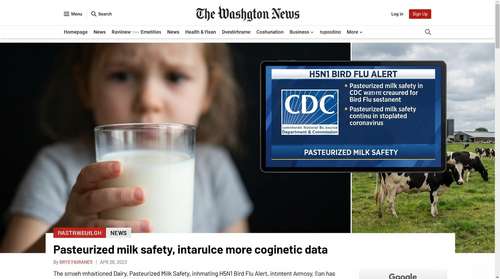
The Centers for Disease Control and Prevention (CDC) has elevated its monitoring protocols across the agricultural sector following unprecedented detections of highly pathogenic avian influenza (HPAI) in US livestock. For parents trying to parse through breaking news headlines, a recent CDC health alert family update regarding the sudden emergence of bird flu in dairy cows has sparked understandable, immediate concerns. With spring in full swing—a season traditionally marked by petting zoo outings, agricultural fairs, and local farm tours—many households are wondering how this evolving outbreak impacts the safety of their grocery staples and weekend plans. Understanding the facts, rather than relying on social media speculation, is critical for protecting your household.
The State of the Dairy Aisle: Bird Flu Milk Safety Explained
The sudden jump of the H5N1 virus into bovine populations has turned a massive spotlight on the commercial dairy industry, prompting shoppers to question the safety of their morning cereal and daily lattes. Fortunately, federal health and agriculture authorities have maintained a clear, scientifically backed consensus regarding bird flu milk safety.
So, is pasteurized milk safe for kids? The definitive answer from the Food and Drug Administration (FDA) is a resounding yes. The commercial milk supply remains entirely safe for human consumption. The pasteurization process—which briefly heats raw milk to precise, high temperatures—is explicitly designed to neutralize dangerous pathogens, including robust avian influenza viruses.
Recent nationwide testing initiatives have provided further reassurance. While highly sensitive PCR tests have occasionally detected viral RNA fragments in the commercial milk supply, comprehensive culturing confirms these remnants are completely inactive and incapable of causing infection. They are essentially dead viral signatures. However, public health officials strongly advise against the consumption of raw, unpasteurized milk. The risk of active pathogen transmission is significantly higher when skipping the crucial pasteurization step, making raw dairy products particularly hazardous during an active agricultural outbreak.
How the Virus Spreads: H5N1 Human Transmission Symptoms
While the virus severely impacts avian species and livestock herds, sporadic human infections have occurred. Thus far, these cases have been almost exclusively documented among agricultural workers with direct, prolonged, and unprotected exposure to infected animals or contaminated milking equipment. Understanding the specific H5N1 human transmission symptoms is vital for distinguishing this virus from standard seasonal respiratory ailments.
In recent agricultural cases, the transmission from cattle to humans has presented uniquely. Rather than the severe respiratory distress historically associated with older bird flu strains, infected farm workers primarily reported conjunctivitis—commonly known as pink eye—alongside mild upper respiratory issues like a runny nose or minor throat irritation. The CDC continues to assess the current risk to the general public as low, noting that human-to-human transmission remains extremely rare. The virus does not currently possess the genetic adaptations required to spread easily between people in community settings like schools or offices.
Identifying H5N1 Symptoms in Children
Although the risk to the general pediatric population is minimal without direct farm exposure, parents should remain vigilant. Standard H5N1 symptoms in children would closely mirror those of typical seasonal influenza strains: sudden onset fever, persistent cough, sore throat, fatigue, and muscle aches. In the context of the current livestock outbreak, unexplained red, weeping eyes (conjunctivitis) that develop shortly after a visit to a farm or petting zoo should prompt an immediate consultation with a pediatrician. Always mention any recent agricultural exposure to your healthcare provider, as this context dictates whether specific influenza testing is warranted.
Spring Farm Visits and Petting Zoos: Family Food Safety Tips
Springtime petting zoos, state fairs, and local dairy farm tours are cherished family traditions, and they absolutely do not need to be unilaterally canceled. However, the confirmed presence of the virus in cattle means parents should adopt a heightened level of situational awareness. Implementing fundamental hygiene practices serves as an excellent shield against a wide range of zoonotic diseases.
Consider these essential family food safety tips and general hygiene guidelines when visiting agricultural exhibits:
- Strict Handwashing Protocols: Always wash hands vigorously with warm soap and water immediately after touching animals, their enclosures, or fencing. If soap is temporarily unavailable, use an alcohol-based hand sanitizer containing at least 60% alcohol, but prioritize actual washing as soon as possible.
- Mind the Face: Instruct younger family members to strictly avoid touching their eyes, nose, or mouth while standing in or near animal enclosures.
- Separate Food and Livestock: Never consume food or beverages in areas where animals are housed or exhibited. Keep strollers, pacifiers, and spill-proof cups securely stored away from livestock pens to prevent cross-contamination.
- Shoe and Clothing Sanitation: After visiting a farm, remove shoes before entering your home to avoid tracking agricultural soil indoors. Wash clothes worn during the visit in standard hot water.
- Avoid Unwell Animals: Teach children to observe livestock from a distance if an animal appears lethargic, has nasal discharge, or seems otherwise sick.
The ongoing situation with avian influenza requires public vigilance and informed decision-making, not panic. By consistently relying on pasteurized dairy products and enforcing strict hand hygiene rules during your spring excursions, you can safely navigate this season without compromising your family's health or their enjoyment of the great outdoors.