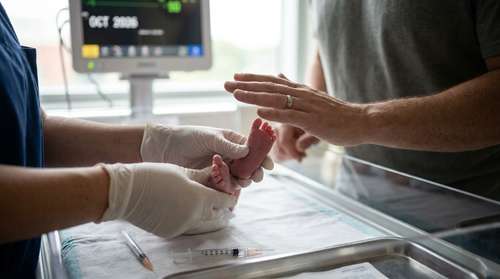
Following the American Academy of Neurology (AAN) annual meeting that concluded just days ago in Chicago, pediatricians and child health advocates are issuing urgent warnings. Recent data indicates that the rate of parents declining the essential vitamin k shot for newborns has nearly doubled in recent years, now exceeding 5% nationwide. Medical experts warn that this growing trend, largely fueled by social media misinformation, significantly increases the likelihood of devastating health outcomes for infants.
The Staggering Reality of Vitamin K Refusal Risks
In a newly released systematic review presented at the AAN summit this past weekend, researchers from Florida International University highlighted a disturbing surge in preventative care declination. Historically, the refusal rate for the intramuscular vitamin K injection hovered below 1% in most hospitals. However, a comprehensive analysis of more than 5 million electronic health records recently published in the Journal of the American Medical Association (JAMA) reveals that the national refusal rate jumped from 2.9% in 2017 to over 5% today.
The vitamin k refusal risks are profound. Babies are naturally born with extremely low levels of vitamin K, a nutrient essential for blood clotting that does not easily transfer through the placenta or breast milk. Without this single, preventative injection, infants are estimated to be 81 times more likely to develop Vitamin K Deficiency Bleeding (VKDB). Even more concerning, some birthing centers have reported refusal rates soaring above 30%, creating localized clusters where preventable infant bleeding events are likely to resurface as emergency room tragedies.
Recognizing Vitamin K Deficiency Bleeding Symptoms
VKDB is a rare but life-threatening hemorrhagic disorder. While early-onset bleeding can occur within the first 24 hours, late-onset VKDB typically strikes between one week and six months of age. Vitamin k deficiency bleeding symptoms can initially appear mild—such as excessive bruising, minor bleeding from the umbilical stump, or bleeding from a routine heel prick. However, the most severe manifestations occur internally.
According to the latest AAN presentation, approximately 63% of infants who develop VKDB suffer an intracranial hemorrhage—essentially a brain bleed or stroke. Alarmingly, about 40% of these infants sustain long-term neurological disabilities, including cognitive impairment, seizures, or motor deficits, and 14% do not survive. Because late-onset bleeding in the brain is invisible until catastrophic damage occurs, pediatricians stress that relying on symptom monitoring rather than prevention is exceptionally dangerous.
Medical Skepticism in Parenting: A Crisis of Misinformation
This spike in refusals is not occurring in a vacuum. It represents one of the most troubling infant preventative care trends seen in decades. Researchers have found that parents who decline the vitamin K injection are up to 90 times more likely to also refuse the hepatitis B vaccine and standard erythromycin eye ointments, which prevent blinding infections.
This phenomenon of medical skepticism in parenting reached the highest levels of government just last week. During an April 21 House subcommittee hearing, lawmakers clashed with health officials over how an atmosphere of generalized medical distrust is driving parents to reject decades-old, proven treatments. Pediatricians note that many parents conflate the vitamin K supplement with a vaccine, falling prey to localized online misinformation clusters that falsely frame standard preventative care as discretionary or harmful. The fallacy that "natural is always better" often leads well-meaning parents to believe an infant's low vitamin K is by design, rather than a biological vulnerability that modern medicine safely corrects.
Vitamin K Shot Safety: Dispelling the Myths
To combat this wave of hesitancy, leading health organizations, including the Association of Women's Health, Obstetric and Neonatal Nurses (AWHONN), issued urgent clinical alerts this month. A primary focus of these alerts is clarifying vitamin k shot safety. First and foremost, the injection is a vitamin supplement, not a vaccine. It has been the absolute standard of pediatric care since 1961, effectively eliminating VKDB in the United States when universally administered.
Misinformation campaigns often target the injection's ingredients, falsely claiming that preservatives like benzyl alcohol are toxic to infants. In reality, medical experts confirm that a baby would need to receive a dose nearly 100 times higher to experience any toxic effects. Furthermore, while some parents seek oral vitamin K alternatives, gastroenterologists warn that a newborn's immature gut cannot reliably absorb the oral form, leaving the infant vulnerable. The intramuscular injection ensures a slow, steady release of the nutrient precisely when the infant needs it most.
The Future of Newborn Health Screening 2026 and Beyond
As hospitals navigate these rising refusal rates, the clinical approach to neonatal care is rapidly shifting. The American Academy of Pediatrics recently published perspectives emphasizing that declining the vitamin K shot should no longer be treated as a simple administrative checkbox on hospital intake forms. Instead, it is increasingly viewed as a high-risk perinatal safety event requiring immediate, standardized intervention.
As we evaluate comprehensive newborn health screening 2026 protocols, healthcare providers are prioritizing evidence-based education prior to delivery. The goal is to ensure parents receive factual, compassionate guidance about the vital nature of this supplement before they are influenced by internet myths. By addressing parental concerns transparently and early in the pregnancy, the medical community hopes to reverse this dangerous trend and protect the most vulnerable patients from entirely preventable tragedies.