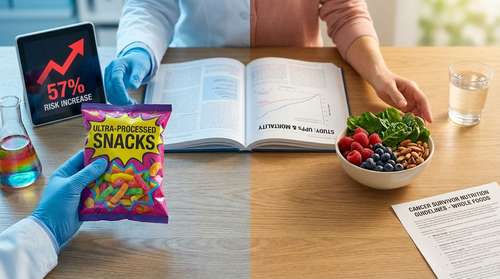
A groundbreaking new study published this week has delivered a stark warning for cancer survivors: high consumption of ultra-processed foods (UPFs) may increase the risk of cancer-specific death by 57%. The research, released in February 2026 by the IRCCS Neuromed in Italy and the University of Cambridge, suggests that the industrial processing of food itself—beyond just poor nutritional content—triggers dangerous biological mechanisms that can compromise long-term recovery.
The Hidden Danger in Industrialized Foods
For years, the conversation around ultra-processed foods cancer risk has focused on sugar, salt, and bad fats. However, this latest analysis from the long-running Moli-sani Study shifts the focus to the nature of food processing. Researchers followed 802 cancer survivors over an average of 14 years and found that those with the highest intake of UPFs faced a 48% increased risk of all-cause mortality and a staggering 57% higher risk of dying from cancer compared to those who ate the least.
Lead researcher Dr. Marialaura Bonaccio emphasized that these risks persisted even when patients followed a generally healthy diet. "The substances involved in the industrial processing of foods can interfere with metabolic processes, disrupt gut microbiota, and promote inflammation," Bonaccio explained. This implies that a cancer survivor eating a "low-fat" pre-packaged meal might still be at risk due to additives, emulsifiers, and extensive processing, challenging the traditional mortality risk processed foods study paradigms.
Chronic Inflammation and UPFs: The Biological Mechanism
The study provides crucial insight into why these foods are so harmful. The researchers identified that chronic inflammation and UPFs are inextricably linked. By analyzing biomarkers in the participants, the team found that elevated inflammation markers and higher resting heart rates explained nearly 40% of the association between processed food intake and mortality.
Industrial processing often denatures the physical structure of food, making it rapidly absorbable and spiking blood sugar, while additives like modified starches and artificial flavorings may directly irritate the gut lining. For cancer survivors, whose bodies are often already battling residual inflammation from treatments like chemotherapy, this added stress can be particularly detrimental. The findings suggest that nutritional intelligence whole foods strategies—focusing on the integrity of the food rather than just the nutrition label—are vital for survival.
New Regulatory Context: FDA No Artificial Colors Regulation
The release of this study coincides with significant shifts in U.S. food policy. Just days ago, the FDA announced a new enforcement approach regarding the FDA no artificial colors regulation. As of February 2026, manufacturers can now use "no artificial colors" claims on products using natural dyes like beetroot or spirulina, while continuing to phase out petroleum-based dyes.
This regulatory change aims to help consumers make clearer choices, but experts warn it could create a "health halo" around ultra-processed products. A cookie colored with beet juice is still an ultra-processed food if it contains high-fructose corn syrup, hydrogenated oils, and texturizers. Survivors navigating cancer survivor nutrition guidelines 2026 must look beyond front-of-pack claims and scrutinize ingredient lists for the hallmarks of ultra-processing.
Healthy Eating for Cancer Recovery
So, what should survivors eat? The study supports a shift toward fresh, minimally processed ingredients. The cancer survivor nutrition guidelines 2026 are evolving to prioritize food quality over macronutrient counting. Instead of simply looking at calories, survivors are encouraged to ask: Has this food been industrially altered?
Practical Steps for Survivors
- The 5-Ingredient Rule: Be wary of products with long ingredient lists containing items you wouldn't find in a home kitchen (e.g., hydrolyzed proteins, invert sugar).
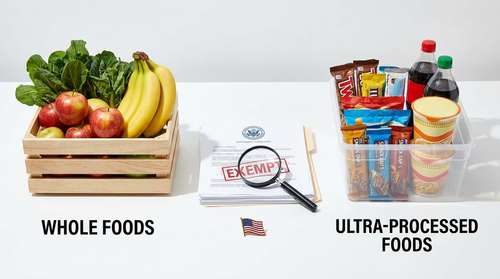
- Prioritize Structure: Eat foods that look like they did in nature—an apple instead of applesauce, a steak instead of a hot dog.
- Cook from Scratch: Home preparation remains the most effective way to eliminate UPFs from your diet.
Adopting healthy eating for cancer recovery means moving away from the convenience of ready-to-eat meals and embracing the protective power of whole, unadulterated foods. As the Moli-sani study proves, the path to longevity isn't just about what nutrients you eat, but how your food was made.