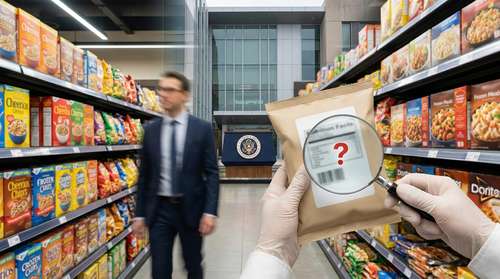
A alarming new study published this week has delivered a stark warning to Americans: a diet high in ultra-processed foods (UPFs) could increase your risk of heart attack and stroke by nearly 50%. The research, conducted by scientists at Florida Atlantic University and published in The American Journal of Medicine, indicates that these industrial food products—which now constitute the majority of the average U.S. diet—are driving a silent cardiovascular crisis. With findings showing a 47% increase in risk for major heart events among high consumers, experts are now calling for public health interventions comparable to the historic fight against tobacco.
The 47% Risk Spike: What the Data Shows
The study, released on Tuesday, analyzed data from 4,787 U.S. adults using the National Health and Nutrition Examination Survey (NHANES). Researchers from FAU’s Charles E. Schmidt College of Medicine examined dietary habits from 2021 to 2023 and cross-referenced them with self-reported histories of cardiovascular disease, including heart attacks and strokes.
The results were unequivocal. Adults who consumed the highest amounts of ultra-processed foods faced a 47% higher risk of suffering a major cardiovascular event compared to those who ate the least. Crucially, this link remained statistically significant even after researchers adjusted for potential confounding factors such as age, gender, race, smoking status, and income level.
"These results have major implications for future research as well as clinical care and public policy," stated Dr. Charles H. Hennekens, the study's senior author and a professor at FAU. The findings suggest that UPFs are not merely a contributor to weight gain but are independently hazardous to heart health.
Defining the Danger: What Counts as Ultra-Processed?
To understand the risk, consumers must first identify the culprit. Ultra-processed foods are industrially manufactured products characterized by formulations of ingredients that you wouldn't find in a home kitchen. They typically contain added sugars, unhealthy fats, starches, and sodium, alongside chemical additives like emulsifiers, preservatives, and artificial flavors.
Common examples include:
- Soft drinks and energy drinks
- Packaged snacks (chips, cookies, crackers)
- Mass-produced breads and buns
- Processed meats (hot dogs, nuggets, deli slices)
- Instant noodles and soups
The prevalence of these foods is staggering. The study highlights that UPFs now make up approximately 60% of the average American adult's diet and an even more concerning 70% of children’s diets. This ubiquity means that for many Americans, dangerous levels of consumption are the default, not the exception.
The "New Tobacco": Calls for Health Warnings
The magnitude of the risk discovered has prompted researchers to draw parallels between the processed food industry and the tobacco industry of the 20th century. Just as smoking was once normalized despite its dangers, ultra-processed foods are currently woven into the fabric of daily life, yet they pose severe long-term health risks.
Public Health Interventions Needed
With cardiovascular disease nutrition in 2026 becoming a central focus for policymakers, the study's authors argue that clinical guidance and public education are no longer optional—they are urgent necessities. "Addressing ultra-processed foods isn't just about individual choices; it's about creating environments where the healthy option is the easy option," Dr. Hennekens noted.
Experts are increasingly advocating for clear front-of-package warning labels, restrictions on marketing to children, and policy changes to make whole, unprocessed foods more affordable and accessible to low-income populations, who often rely on cheap, shelf-stable processed options.
Why Are UPFs So Damaging?
The biological mechanisms linking processed food health warnings to actual disease are becoming clearer. Ultra-processed foods are often stripped of natural nutrients and fiber during manufacturing, leading to a product that is calorie-dense but nutrient-poor. However, the harm goes beyond empty calories.
High consumption of these foods is strongly linked to metabolic syndrome—a cluster of conditions that includes high blood pressure, high blood sugar, excess body fat around the waist, and abnormal cholesterol levels. Furthermore, additives such as emulsifiers may disrupt the gut microbiome, leading to systemic inflammation. Elevated levels of C-reactive protein, a marker of inflammation, are consistently found in high consumers of UPFs and are a known predictor of future heart attacks and strokes.
Protecting Your Heart: Actionable Steps
While the statistics are frightening, the solution lies in returning to whole nutrition. Reducing your risk doesn't require a perfect diet, but it does require conscious shifts away from industrial products.
Healthy eating for heart health starts with simple swaps:
- Replace sugary drinks with water, sparkling water, or unsweetened tea.
- Choose whole grains like oats, quinoa, and brown rice over instant noodles or white bread.
- Snack on whole foods such as nuts, fruits, and yogurt instead of packaged chips or cookies.
- Cook more at home using fresh ingredients to control salt and fat levels.
As this landmark study proves, what we eat is a matter of life and death. With heart disease remaining the leading killer globally, cutting back on ultra-processed foods is perhaps the single most effective step you can take today to protect your future heart health.