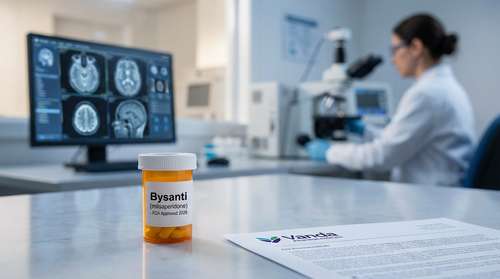
In a significant development for psychiatric medicine, the medical community is buzzing with the latest details following the FDA's recent approval of Bysanti (milsaperidone). While the official clearance came late last month, new critical information regarding commercial availability and long-term patent exclusivity emerged yesterday, solidifying Bysanti as a major contender among new psychiatric medications 2026. Developed by Vanda Pharmaceuticals, this novel atypical antipsychotic is designed to treat schizophrenia and acute manic or mixed episodes in Bipolar I disorder, offering a fresh therapeutic option for millions of adults.
Bysanti FDA Approval 2026: A Strategic Milestone
The Bysanti FDA approval 2026 marks a pivotal moment for Vanda Pharmaceuticals, representing its second regulatory victory in just two months. According to industry updates released on March 2, 2026, Vanda has confirmed that Bysanti will be commercially available to patients in the U.S. by the third quarter of this year. This rapid rollout strategy highlights the urgent need for effective acute mania treatment options and alternatives for schizophrenia management.
The approval rests on a unique regulatory strategy. Bysanti is the active metabolite of iloperidone (Fanapt), a previously approved antipsychotic. By demonstrating bioequivalence, Vanda was able to leverage over a decade of safety and efficacy data while securing status as a New Chemical Entity (NCE). This designation grants Bysanti patent protection through 2044, ensuring it remains a staple in mental health drug innovations for decades to come.
Milsaperidone for Bipolar Schizophrenia: Mechanism of Action
Understanding how milsaperidone for bipolar schizophrenia works is key to appreciating its clinical value. As one of the latest atypical antipsychotic breakthroughs, Bysanti operates through a dual-molecule approach. Once ingested, it functions directly while also rapidly converting into iloperidone within the body. This creates a sustained therapeutic effect targeting multiple brain receptors.
The drug primarily functions as an antagonist at:
- Dopamine D2 receptors: Helping to reduce positive symptoms of schizophrenia like hallucinations.
- Serotonin 5-HT2A receptors: Assisting in mood stabilization and negative symptom management.
- Alpha-1 adrenergic receptors: Which may play a role in regulating arousal and agitation.
Targeting Acute Manic and Mixed Episodes
For patients battling Bipolar I disorder, the acute phase is often the most dangerous. Bysanti has been specifically cleared for the acute treatment of manic or mixed episodes. Clinical data supports its efficacy in rapidly stabilizing mood swings, a critical factor for patients who may not respond well to existing therapies like lithium or older antipsychotics. The ability to address both the highs of mania and the disorganized thinking of schizophrenia with a single agent simplifies treatment regimens for complex psychiatric profiles.
Safety Profile and Important Warnings
As with many potent psychiatric drugs, safety is a paramount concern. The FDA label for Bysanti includes a boxed warning regarding an increased risk of mortality in elderly patients with dementia-related psychosis—a standard warning for drugs in this class. Common side effects observed in trials include dizziness, dry mouth, nasal congestion, and orthostatic hypotension (a drop in blood pressure upon standing).
Physicians are advised to monitor patients for metabolic changes, such as weight gain and shifts in blood sugar levels. However, the known safety profile of its parent drug, iloperidone, provides clinicians with a predictable roadmap for managing these risks, making the transition to this new therapy smoother for experienced providers.
Future Outlook: Expanding into Major Depression
The story of Bysanti doesn't end with bipolar disorder and schizophrenia. Vanda Pharmaceuticals is actively exploring the drug's potential as an adjunctive therapy for Major Depressive Disorder (MDD). An ongoing Phase 3 clinical trial is currently evaluating whether adding Bysanti to standard antidepressants can help patients with treatment-resistant depression. Results from this study are expected by the end of 2026, potentially widening the scope of Vanda Pharmaceuticals Bysanti usage even further.
With a robust patent runway, a confirmed Q3 2026 launch date, and a pipeline of potential new indications, Bysanti is poised to become a cornerstone in modern psychiatry. For patients and healthcare providers, this approval represents not just a new pill, but a renewed hope for stability and recovery.