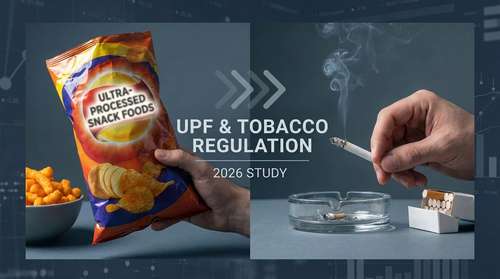
A groundbreaking report published this week in The Milbank Quarterly has sent shockwaves through the nutrition and public health communities, arguing that ultra-processed foods (UPFs) are not just food, but industrially engineered substances designed for addiction. The landmark ultra-processed foods study 2026, released on February 3, provides the most comprehensive evidence to date that these products manipulate biological pathways in the same way as nicotine, prompting urgent calls for federal regulation similar to the tobacco control framework.
The Science of Addiction: Engineered for Craving
The study, co-authored by leading addiction researcher Dr. Ashley Gearhardt of the University of Michigan alongside scientists from Duke and Harvard, fundamentally challenges the way we categorize what we eat. The researchers detail how manufacturers use "hedonic engineering" to strip foods of their natural structures—fiber, protein, and water—while optimizing the delivery of fat and sugar.
According to the report, these engineered food-like items are designed to deliver a rapid dopamine hit to the brain, bypassing the body's natural satiety signals. "Products like soda, sweets, and fast food are engineered less like food and more like cigarettes—optimized for craving, rapid intake, and repeated use," Gearhardt stated in a press release. The study draws a direct parallel between the "dose optimization" used by tobacco companies to maximize nicotine delivery and the industrial processing that accelerates sugar absorption in UPFs.
UPF vs Tobacco Regulation: A New Public Health Playbook
The core argument of the new paper is that the current model of "individual responsibility" is failing to curb the chronic disease epidemic. Instead, the authors propose a shift toward UPF vs tobacco regulation strategies. The study suggests that the food addiction research is now robust enough to justify policies that were successful in lowering smoking rates.
Key regulatory recommendations include:
- Marketing Restrictions: Banning advertisements targeting children and removing misleading "health halos" from packaging.
- Warning Labels: Implementing clear, front-of-package warnings about the addictive potential and health risks of UPFs.
- Access Limitations: Restricting the sale of highly addictive processed items in schools and hospitals.
- Litigation: Holding manufacturers accountable for the health costs associated with diet-related diseases.
The researchers argue that just as "low tar" cigarettes were a deceptive marketing tactic, current claims like "low fat" or "natural" on ultra-processed products serve to confuse consumers and delay meaningful regulation.
Policy Landscape: FDA Nutrition Priorities 2026
This explosive study lands in a volatile political environment following the release of the 2025-2030 Dietary Guidelines in January. Those guidelines marked a significant pivot in federal policy, explicitly advising Americans to "avoid highly processed packaged foods" and putting a renewed focus on "real food." However, the new Milbank report pushes further, demanding that the FDA classify these products as addictive substances rather than just calorically dense foods.
The findings are likely to influence FDA nutrition priorities 2026, putting pressure on the agency to take a harder line against industrial food giants. While the new administration's "Make America Healthy Again" initiative has already signaled a war on chronic disease, this study provides the scientific blueprint for treating food manufacturers with the same scrutiny as Big Tobacco.
The Cost of Inaction on Chronic Disease Prevention
The stakes could not be higher. With recent data suggesting that one American dies every four minutes from conditions linked to diet-related preventable diseases, the urgency for chronic disease prevention has reached a fever pitch. The study highlights that UPF consumption is now linked to increased risks of type 2 diabetes, cardiovascular disease, and even certain cancers.
As the debate intensifies over the coming weeks, this research serves as a critical turning point. It moves the conversation from "eating less" to understanding how our food environment has been deliberately constructed to override our biology, demanding a regulatory response that matches the scale of the crisis.