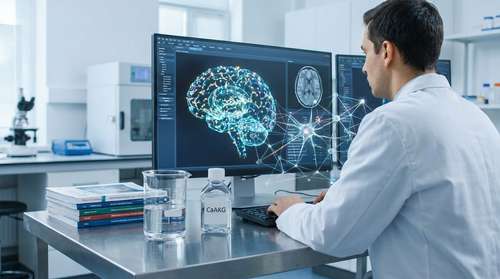
Researchers at the National University of Singapore have just identified a critical breakthrough in the fight against cognitive decline. A new study published this week in Aging Cell reveals that calcium alpha-ketoglutarate (CaAKG)—a natural metabolite that declines as we age—can repair synaptic plasticity and restore early memory functions in Alzheimer's models. This discovery marks a pivotal shift toward "geroprotective" strategies that target the biology of aging itself, offering a safer, more accessible potential treatment than synthetic drugs.
The Science: How CaAKG Reverses Brain Aging
The study, led by Professor Brian K. Kennedy and Dr. Sheeja Navakkode at the Yong Loo Lin School of Medicine (NUS Medicine), focused on a specific mechanism of memory formation known as long-term potentiation (LTP). In patients with Alzheimer's, LTP is severely compromised, making it difficult for neurons to signal effectively and form new memories. The research team found that CaAKG intervention successfully restored this vital signaling process.
Unlike many pharmaceutical approaches that target amyloid plaques directly, CaAKG works by bypassing blocked pathways. The researchers discovered that the molecule activates L-type calcium channels and calcium-permeable AMPA receptors. This unique mechanism allows it to "rescue" synaptic function even when standard NMDA receptors are compromised by the disease's pathology.
Restoring Synaptic Tagging and Capture
One of the most exciting findings was CaAKG's ability to restore "synaptic tagging and capture." This complex biological process is essential for linking transient events to long-term memory storage. By repairing this mechanism, CaAKG didn't just improve general brain health; it specifically brought back associative memory capabilities—often one of the first cognitive functions to fade in early-stage Alzheimer's.
A Natural Approach to Healthy Aging
This breakthrough emphasizes the power of healthy aging breakthroughs that utilize the body's own chemistry. Alpha-ketoglutarate (AKG) is naturally produced by our bodies but drops significantly as we get older. This decline correlates with various signs of aging, including frailty and cognitive loss.
"The research suggests that safe, natural compounds like CaAKG may one day complement existing approaches to protect the brain and slow memory loss," stated Professor Kennedy. "Because AKG is already present in our bodies, targeting these pathways may offer fewer risks and broader accessibility."
Beyond Memory: The Dual-Action Benefit
The study highlighted a dual benefit to supplementing with this longevity molecule. In addition to restoring synaptic plasticity, CaAKG was shown to boost autophagy—the brain's internal "housekeeping" system. Autophagy is responsible for clearing out damaged proteins and cellular debris. By revving up this cleaning cycle, CaAKG helps maintain a healthier cellular environment, further protecting neurons from degeneration.
This multi-pronged approach is what makes longevity supplements for brain health so promising. Instead of a "silver bullet" that targets one symptom, compounds like CaAKG appear to support systemic resilience, helping the brain resist the cumulative damage of aging.
What This Means for Preventing Cognitive Decline
While this research is preclinical, the implications for preventing cognitive decline in humans are profound. Singapore has one of the world's highest life expectancies, yet the gap between lifespan and healthspan remains a challenge. Interventions that delay brain aging could bridge this gap, allowing people to live their final decades with mental clarity and independence.
For those looking for natural ways to restore memory, this study validates the potential of metabolic support. As we await human clinical trials, the identification of CaAKG as a potent neuroprotective agent offers hope that the key to preserving our minds might lie in replenishing what time takes away.