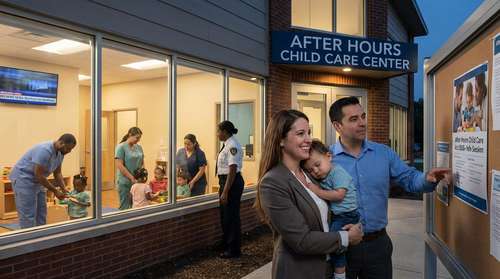
U.S. lawmakers introduced the After Hours Child Care Act on February 13, 2026, marking a critical step toward solving the childcare crisis for millions of American families. This bipartisan legislation targets the severe shortage of affordable care for parents working nontraditional hours—including nights, weekends, and early mornings. Led by Senators Todd Young (R-IN) and Maggie Hassan (D-NH), along with Representatives Ashley Hinson (R-IA) and Suzanne Bonamici (D-OR), the bill aims to expand federal grants and incentivize on-site workplace facilities to support the modern 24-hour economy.
Addressing the Nontraditional Hours Gap
For decades, the American childcare system has operated on a 9-to-5 model that no longer reflects the reality of the workforce. Current data indicates that nearly 50% of American parents work outside of traditional business hours. These families, often described as living in "childcare deserts," face insurmountable barriers to finding licensed, safe, and affordable care during their shifts.
The After Hours Child Care Act 2026 seeks to bridge this gap by modifying the existing Child Care and Development Block Grant (CCDBG) program. The bill explicitly authorizes funds to be directed toward providers who offer care during nontraditional hours. "Hoosier parents rely on affordable child care in order to work, advance their careers, and provide for their families," Senator Todd Young stated upon introducing the bill. "Currently, child care options are extremely limited for families, especially in rural Indiana communities."
Support for Healthcare Workers and First Responders
The shortage of after-hours care disproportionately affects essential workers who are vital to public safety and health. Childcare for healthcare workers, first responders, and law enforcement officers has been a neglected sector of the care economy. During the introduction of the bill, Representative Suzanne Bonamici highlighted that nurses, emergency service operators, and store clerks often struggle the most to find reliable options.
Key Beneficiaries of the Legislation
If passed, this working parent support bill would specifically benefit:
- Emergency Personnel: Police officers, firefighters, and paramedics working overnight shifts.
- Healthcare Professionals: Nurses and doctors covering 12-hour shifts and weekend rotations.
- Service Industry Workers: Restaurant and retail staff who work evenings and weekends.
- Manufacturing and Logistics: Factory and warehouse employees staffing 24-hour production lines.
How the Federal Childcare Grant Expansion Works
The proposed legislation introduces a pragmatic approach to expanding capacity without creating entirely new bureaucracies. It leverages the successful CCDBG framework to deliver immediate relief. Key components of the bill include:
Pilot Programs for Expanded Capacity: The bill establishes competitive grants for childcare providers to extend their operating hours. This financial support helps offset the higher costs associated with keeping facilities open late at night or on weekends, such as increased utility bills and shift differentials for staff.
Workplace On-Site Facilities: A significant portion of the act focuses on incentivizing employers to build on-site childcare centers. By offering federal support that requires a 25% match, the bill encourages private-public partnerships to solve local care shortages.
Accountability Measures: To ensure the federal childcare grant expansion achieves its goals, the legislation mandates a report every two years. This review will evaluate the bill's effectiveness in increasing the availability of care during nontraditional hours, ensuring taxpayer dollars are making a tangible difference.
Bipartisan Momentum in a Divided Congress
In a political climate often defined by gridlock, the After Hours Child Care Act stands out as a rare example of bicameral, bipartisan cooperation. The partnership between conservative Republicans like Hinson and Young and progressive Democrats like Bonamici and Hassan underscores the universal nature of the childcare crisis. Senator Maggie Hassan emphasized this unity, noting that the bill is a "commonsense, bipartisan" effort to help families access care that actually works with their schedules.
This legislative push aligns with broader parenting news 2026 trends, where economic pressure and workforce retention are driving policy changes. Employers are increasingly recognizing that affordable childcare is not just a family issue, but a business imperative. Without reliable care, skilled workers—particularly women—are forced to leave the workforce or turn down promotions that require irregular hours.
The Path Forward for Affordable Childcare
As the bill moves to committee review, advocacy groups are rallying support. Organizations representing first responders and rural communities have already signaled strong backing for the measure. The focus now shifts to ensuring the bill receives a floor vote in both chambers before the end of the legislative session.
For families currently piecing together care with a patchwork of relatives and unlicensed babysitters, this legislation offers a glimpse of stability. By acknowledging that work doesn't stop at 5:00 PM, Congress is finally taking steps to build a childcare infrastructure that supports the 24/7 reality of modern American life.