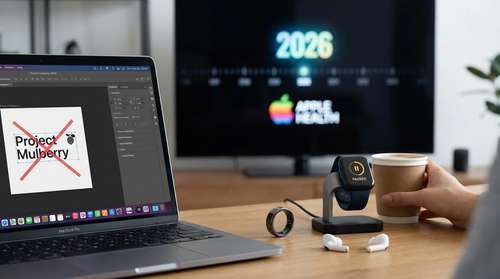
In a stunning move that reshapes the 2026 digital health landscape, Apple has officially halted development of its highly anticipated AI-powered health and fitness coach, known internally as ‘Project Mulberry.’ The decision, which reportedly came down earlier this week following a high-level strategic review, marks a significant pivot for the tech giant as it grapples with delays and intensifying competition from agile rivals like WHOOP and Oura.
The End of ‘Project Mulberry’: Why Apple Pulled the Plug
For nearly two years, rumors swirled about Apple’s ambitious plan to launch a standalone AI health coaching service, initially codenamed ‘Quartz’ and later evolved into ‘Project Mulberry.’ The service was expected to be the crown jewel of iOS 27, offering paid subscribers personalized lifestyle, sleep, and nutrition guidance powered by generative AI. However, internal memos cited by Bloomberg and other outlets reveal that the project suffered from repeated timeline setbacks and a lack of distinctive features.
The cancellation coincides with a major leadership shakeup within Apple’s health division. Following the retirement of long-time Chief Operating Officer Jeff Williams late last year, Eddy Cue, Apple’s Services Chief, has taken the reins of the health portfolio. Sources close to the matter suggest that Cue was unconvinced that ‘Project Mulberry’ offered enough value to justify a standalone subscription, especially when compared to the aggressive AI integrations already live on competitor platforms.
Liability Concerns Over AI "Doctors"
Beyond competitive pressure, Apple reportedly faced significant hurdles regarding the reliability and liability of an AI acting as a primary health advisor. Unlike a human coach, an Apple AI Health Coach operating at the scale of a billion iPhone users presents massive regulatory risks. While competitors have raced to release "beta" AI coaching features, Apple’s trademark caution appears to have won out, with executives unwilling to risk the brand’s reputation on an AI that might hallucinate medical advice.
WHOOP AI vs Apple: The Competitive Reality
The demise of Project Mulberry underscores a rare moment where Apple finds itself playing catch-up. Specialized wearable companies have already successfully deployed the very technology Apple was struggling to perfect. WHOOP AI, for instance, has been offering deep, personalized coaching based on recovery data for over a year, while the Oura Ring’s ecosystem has rapidly evolved to provide actionable wellness insights without the need for a separate heavy-handed subscription model.
Analysts believe Apple realized that launching a "me-too" product in 2026 would be a strategic error. "Apple doesn't want to be just another voice in the AI crowd," notes digital health analyst Sarah Jenkins. "If they can't offer an experience that is exponentially better than what WHOOP or dedicated fitness apps provide, they simply won't ship it."
What Survives: The Future of Apple Fitness+ and Health Sensors
While the standalone ‘Mulberry’ app is dead, the technology developed for it will not go to waste. Apple is reportedly pivoting to a more integrated approach, breaking up the project's core features and rolling them directly into the free Health app and future updates of Apple Fitness+.
- Gait Analysis & Mobility: One of the most promising features—using the iPhone camera to analyze walking stability and workout form—is expected to survive and launch as a core Health app feature later this year.
- Siri Health Integration: Instead of a dedicated chatbot, Apple is doubling down on making Siri smarter for health queries, using on-device processing to answer questions about symptoms or medication interactions privately.
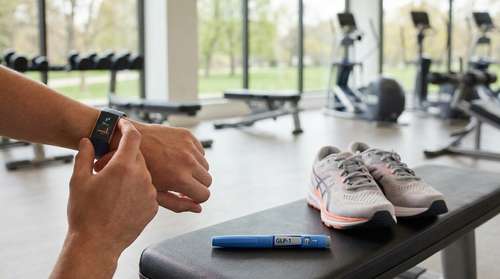
- Focus on Hard Tech: The cancellation frees up resources for Apple’s "moonshot" hardware projects. The company remains committed to developing non-invasive wearable health sensors, with rumors of a blood pressure sensor and the "holy grail" non-invasive glucose monitoring system still active in the company’s labs.
A Turning Point for 2026
This development leaves Apple Fitness+ news in 2026 in a state of flux. With the AI coach scrapped, industry insiders expect Apple to bundle Fitness+ more aggressively with Apple One or potentially merge aspects of it with the Health app to boost engagement. Ultimately, the death of Project Mulberry signals that even for the world's most valuable company, the race for personalized fitness technology is becoming harder to win with software alone. For now, Apple is betting that its ecosystem’s deep integration and trust will matter more to users than a chatty AI coach.