The fitness landscape of 2026 has officially been mapped, and it paints a picture of a industry transformed by two powerful forces: advanced technology and the pharmaceutical weight-loss revolution. The American College of Sports Medicine (ACSM) has released its highly anticipated Worldwide Survey of Fitness Trends for 2026, marking the 20th anniversary of this industry-standard report. While wearable fitness technology has retained its crown as the number one trend, the most significant disruptor is the meteoric rise of "Exercise for Weight Management," driven by the global adoption of GLP-1 medications like Ozempic and Wegovy.
The Unshakable Reign of Wearable Tech
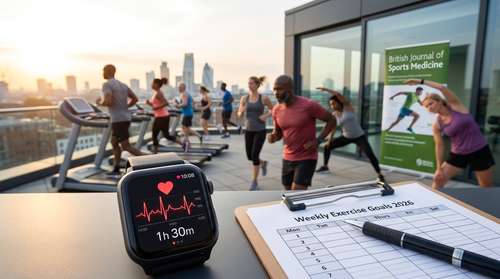
For the past decade, wearable technology has consistently dominated the ACSM rankings, and 2026 is no exception. However, the context has shifted. We have moved far beyond simple step-counting pedometers. Today's wearables are sophisticated biometric labs on our wrists and fingers, capable of tracking everything from continuous glucose levels and heart rate variability (HRV) to recovery scores and sleep architecture.
According to the 2026 report, the focus for fitness professionals is no longer just encouraging clients to buy these devices, but teaching them how to interpret the avalanche of data they produce. Integration is key; smartwatches now seamlessly sync with gym equipment and AI-driven coaching apps to provide real-time adjustments to workout intensity. This data-driven approach is empowering users to train smarter, not just harder, reducing injury risks and optimizing performance based on daily physiological readiness.
The "GLP-1 Effect": Redefining Weight Loss Workouts
The most headline-worthy shift in the 2026 survey is the surge of Exercise for Weight Management into the top three. This isn't the "fat-burning" cardio of the 1990s. Instead, it represents a medicalized evolution of fitness tailored to the millions of patients currently prescribed GLP-1 receptor agonists.
While these medications are highly effective for weight reduction, they come with a significant side effect: the potential loss of lean muscle mass (sarcopenia) alongside fat. In response, gyms and trainers are rolling out "GLP-1 Optimized" workout plans. These protocols prioritize functional strength training and hypertrophy (muscle building) to counteract muscle atrophy. The narrative has flipped from exercise as a primary calorie-burning tool to exercise as a vital prescription for metabolic health and structural integrity. Fitness facilities are increasingly partnering with medical providers to offer hybrid programs that combine pharmaceutical treatment with supervised strength and protein-focused nutritional coaching.
Active Aging and Functional Longevity
As the Baby Boomer generation continues to redefine what aging looks like, fitness programs for older adults remain a dominant force in the top five trends. The 2026 report highlights a move away from gentle "chair yoga" as the default for seniors toward robust, strength-based programming designed to enhance longevity and independence.
This trend aligns closely with functional fitness training, which focuses on movements that mimic daily life—squatting, lifting, carrying, and reaching. The goal is to extend "healthspan" (the number of healthy years lived) rather than just lifespan. We are seeing a boom in "prehabilitation" programs aimed at preparing older adults for active retirements, focusing on balance, core stability, and fall prevention. The message is clear: it is never too late to build muscle, and strength is the currency of healthy aging.
Community and Mental Wellbeing
Rounding out the major themes of 2026 is the continued integration of physical and mental health. Exercise for mental health remains a top priority, with consumers increasingly citing anxiety reduction and mood regulation as their primary motivations for working out. This has led to a rise in mindful movement practices and the inclusion of mental wellness metrics in fitness tracking apps.
Furthermore, the "loneliness epidemic" has spurred the growth of Adult Recreation and Sport Clubs. Activities like pickleball, run clubs, and social sports leagues are climbing the charts, serving as vital "third places" for social connection. These community-driven formats prove that while high-tech tools and medical breakthroughs are shaping the methods of 2026, the human desire for connection remains the heart of the movement.