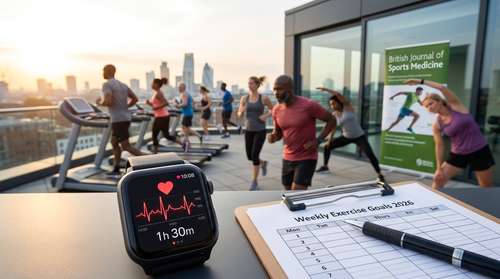
The future of fitness has officially arrived, and it is smarter, more medicalized, and deeply personalized. The American College of Sports Medicine (ACSM) has released its highly anticipated 2026 Worldwide Survey of Fitness Trends, marking a watershed moment for the industry. While Wearable Technology has reclaimed the #1 spot for the third consecutive year (and its ninth time at the top), the real headline is the meteoric rise of Exercise for Weight Management. This shift signals a massive industry pivot designed to support the millions of Americans now utilizing GLP-1 obesity medications.
The Undisputed King: Wearable Tech Enters the Era of 'Bio-Synchronization'
For 2026, wearable technology is not merely about counting steps or tracking sleep cycles. The ACSM report highlights a sophisticated evolution toward what experts are calling "bio-synchronized programming." This next generation of tech doesn't just record data; it dictates training in real-time.
Modern wearables now integrate with smart gym ecosystems to adjust workout intensity based on Heart Rate Variability (HRV), recovery scores, and real-time biometric feedback. If a user's physiological data indicates high stress or poor recovery, their connected equipment might automatically lower resistance or suggest a mobility flow instead of a HIIT session. This concept of auto-regulation—training based on your body's current readiness rather than a static plan—has finally trickled down from elite athletics to the general consumer.
The GLP-1 Effect: A Medical Fitness Revolution
Perhaps the most significant development in the 2026 forecast is the historic surge of "Exercise for Weight Management," which has cracked the top 3. This is not the weight loss trends of the past; it is a direct response to the ubiquity of GLP-1 agonists like Wegovy, Ozempic, and Zepbound.
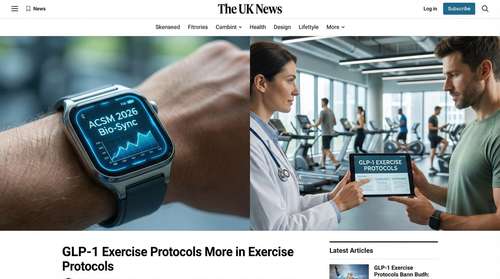
As millions of patients experience rapid weight loss through pharmacotherapy, the fitness industry is scrambling to solve the critical side effect: muscle loss. Rapid reduction in body mass often leads to sarcopenia (muscle wasting), creating a condition known as "skinny fat" or sarcopenic obesity. In response, gyms and health clubs are rolling out specialized GLP-1 exercise protocols.
These medically integrated programs prioritize hypertrophy (muscle growth) and strength training over traditional cardio, aiming to preserve lean mass while the medication handles the caloric deficit. We are witnessing the birth of "Med-Fitness," where trainers work in tandem with endocrinologists to manage body composition, not just scale weight.
Longevity and the Silver Tsunami
Retaining its stronghold at #2 is Fitness Programs for Older Adults. With the Baby Boomer generation fully entering their 70s and 80s, the demand for longevity-focused training has never been higher. This trend goes beyond chair aerobics; the 2026 report emphasizes functional strength training designed to prevent falls, maintain independence, and improve cognitive health.
The synergy between this trend and wearable tech is palpable. Seniors are increasingly using fall-detection wearables and remote monitoring tools that allow exercise physiologists to track their progress from afar, further bridging the gap between healthcare and fitness.
The Rise of Mobile Apps and AI Coaching
Rounding out the top trends is the enduring popularity of Mobile Exercise Apps (#4). However, the 2026 iteration is heavily influenced by Artificial Intelligence. The static PDF workout plans of the past have been replaced by dynamic AI coaches that adapt weekly schedules based on the user's progress, wearable data, and even their calendar availability.
This democratization of personal training ensures that high-quality, periodized programming is accessible to those who cannot afford in-person coaching, further fueling the hybrid fitness model where users split time between the gym and home.
What This Means for Your Workout
If you are planning your fitness journey for the year ahead, the message from the ACSM is clear: Data is king, and muscle is currency. Whether you are utilizing the latest bio-wearable to optimize your recovery or engaging in a strength-focused protocol alongside medical treatment, the line between healthcare and fitness has permanently blurred.