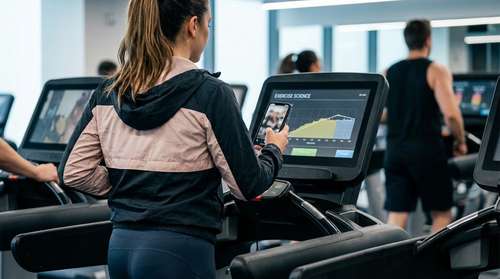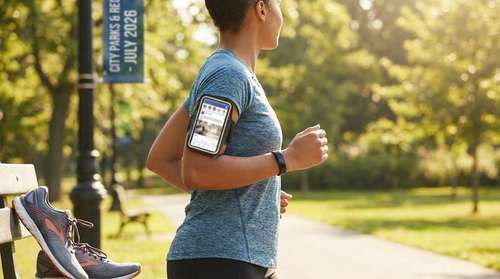
The landscape of American health is undergoing its most significant transformation in two decades. According to the just-released ACSM 2026 Trends Report, the line between "going to the gym" and "going to the doctor" is officially blurring. While ACSM wearable technology retains its crown as the #1 trend for the third consecutive year, the real story is the monumental shift toward the medicalized fitness industry. As new federal policies broaden access to HSA gym membership 2026 benefits for qualified individuals and Medicare begins reimbursing for physical activity assessments, we are witnessing the dawn of a new era where exercise is prescribed, tracked, and reimbursed just like medication.
The Rise of Medicalized Fitness: A New Standard
The concept of "exercise is medicine" has long been a slogan, but in 2026, it is becoming a reimbursable reality. The ACSM report identifies a systemic pivot where fitness providers are increasingly integrating with healthcare systems. This trend is driven by data that shows physical activity is the most potent drug for longevity.
The biggest game-changer this year is the validation of physical activity as a clinical vital sign. For the first time, Medicare has introduced specific reimbursement codes that allow physicians to bill for conducting standardized physical activity assessments. This policy change signals to the entire healthcare market—including private insurers—that exercise history is as critical as blood pressure or cholesterol levels.
Top Fitness Trends for 2026
The ACSM's survey of thousands of fitness professionals globally has reshuffled the leaderboard to reflect our aging, data-obsessed population.
1. Wearable Technology (Still #1)
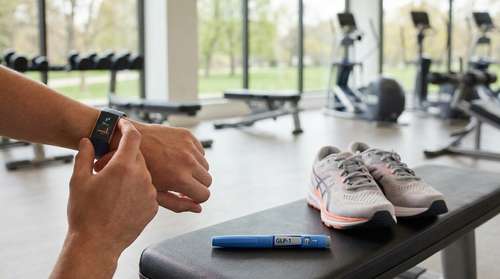
Wearables have evolved far beyond step counting. The 2026 focus is on biometric data integration—devices that measure heart rate variability (HRV), continuous glucose monitoring (CGM), and sleep recovery scores. These devices are no longer just passive trackers; they are active health guardians that feed data directly to medical professionals.
2. Fitness Programs for Older Adults
Reflecting the "silver tsunami," this trend has surged to the #2 spot. It’s not just about chair yoga anymore; it is about high-quality strength and mobility training designed to preserve independence. This aligns perfectly with data-driven longevity training, where older adults use tech to monitor fall risk and muscle retention.
3. Exercise for Weight Management
Rising to its highest position ever at #3, this trend is inextricably linked to the explosion of GLP-1 weight-loss medications. Fitness professionals are now designing specialized protocols to help patients on these drugs preserve lean muscle mass—a critical component of sustainable health that medication alone cannot address.
HSA Gym Membership 2026: Navigating the New Landscape
There is significant buzz—and some confusion—surrounding the use of pre-tax dollars for fitness. While a blanket federal policy making all gym memberships HSA-eligible was struck from the final "One Big Beautiful Bill Act," the opportunity for Americans to use these funds has arguably never been greater due to two key developments.
First, the "Letter of Medical Necessity" (LMN) pathway has been streamlined. New digital health platforms now automate the diagnosis process, allowing millions of Americans with conditions like obesity, hypertension, or pre-diabetes to legally use HSA/FSA funds for gym memberships and workout apps. Second, federal changes effective January 1, 2026, have expanded HSA eligibility to include those with "Bronze" and "Catastrophic" health plans, massively increasing the pool of people who can access these tax-advantaged accounts.
Medicare Fitness Reimbursement: A Historic Shift
One of the most concrete policy wins for 2026 is the implementation of Medicare fitness reimbursement for assessments. Starting this year, clinicians can bill for 5-15 minute physical activity assessments every six months.
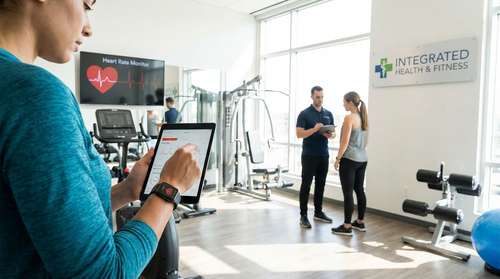
This incentivizes doctors to spend actual time discussing exercise for weight management and longevity with patients. For fitness professionals, this opens a referral pipeline: doctors diagnose the inactivity, and certified trainers provide the cure. It legitimizes the personal trainer’s role as part of the allied healthcare team, bridging the gap between clinical advice and practical application.
The Future is Data-Driven Longevity
The converging trends of 2026 point to one outcome: the end of "blind" exercise. Data-driven longevity training is replacing the "no pain, no gain" mentality. Users now demand workouts that are optimized by their biometric data to minimize biological aging.
Whether it is a 70-year-old using a smartwatch to track stability, or a 30-year-old using an HSA-funded app to manage metabolic health, the industry has graduated from aesthetics to healthspan. Fitness is no longer just about how you look; it is about how long—and how well—you live.