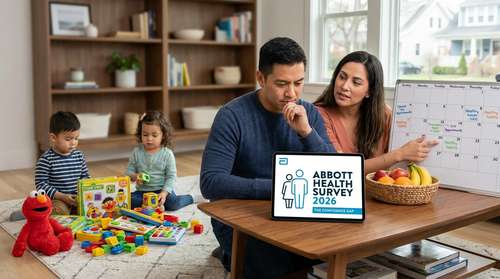
It's a glaring contradiction in modern American wellness. According to the newly released Abbott health survey 2026, nearly three-quarters of U.S. adults understand that conditions like diabetes and heart disease can be stopped before they start. However, this awareness isn't translating into action. The data, published today, reveals a staggering reality: while 74% believe chronic diseases are preventable, a mere 25% feel very confident in knowing how to care for their personal well-being.
This widening prevention paradox comes at a critical moment. As chronic illness rates continue to climb globally, families are finding themselves paralyzed by a barrage of conflicting wellness advice and mounting financial pressures. The result is that people are actively delaying their preventive care, putting their long-term vitality at risk.
The Impact of Conflicting Advice and Rising Costs
What exactly is stopping Americans from taking charge of their health? The recent poll of 4,000 U.S. adults, conducted by Kantar for Abbott, points directly to a volatile mix of information overload and financial anxiety. A troubling 65% of respondents admitted they have delayed or completely avoided taking necessary health steps because the process felt either too expensive or overwhelmingly complex.
Navigating the profound healthcare cost confusion 2026 has brought to the forefront is clearly taking a toll, particularly at the grocery store. While 96% of Americans recognize that good nutrition is a foundational defense against illness, only 30% report eating a "very healthy" diet. For 42% of the population, the price tag of nutritious food remains a formidable barrier. Coupled with the fact that 46% of people find current health guidance confusing—and 58% of those blame contradictory advice from various sources—it is easy to see why wellness feels increasingly out of reach.
Examining the Parents Health Confidence Gap
The burden of this confusion falls disproportionately on caregivers. By isolating the responses of the 2,000 parents surveyed, researchers uncovered a severe parents health confidence gap. For mothers and fathers, the stakes feel impossibly high. The survey found that 94% of parents understand that their children's daily routines will directly dictate their health as adults. Consequently, 71% harbor deep worries about their kids eventually developing a long-term medical condition.
Despite these anxieties, a troubling disconnect exists between intention and execution. Nearly nine out of ten parents feel immense pressure to model flawless wellness habits, yet over 40% admit they regularly fail to do so. They are caught between the desire to do better and the reality of exhausted schedules. Dr. Dominique Williams, Nutrition Medical Director at Abbott, addressed this tension by noting that "healthy living shouldn't feel like a full-time job." She emphasized that the basics—movement, nutrition, and preventive care—still work, but families desperately need simpler ways to integrate them.
Finding Solutions for Preventing Chronic Illness at Home
Generational approaches to this crisis vary wildly. Millennials currently report feeling the healthiest (65%), but they also carry the most anxiety, with half fearing an imminent chronic diagnosis if they haven't received one already. Gen Z, meanwhile, is actively attempting to hack their way out of the problem. They are turning heavily to digital guidance, with 69% using tracking apps over the last 12 months, and an impressive 93% of those users reporting a positive change in their habits. They are even turning to AI, proving just as likely to seek out artificial intelligence for wellness advice as they are to ask family and friends.
But for young families, technology alone isn't enough. Preventing chronic illness at home requires foundational changes that resonate with toddlers and preschoolers long before digital trackers become relevant. Establishing daily rhythms around eating balanced meals and prioritizing sleep is essential, but doing so without turning the dinner table into a battleground requires immense creativity.
Tapping Into Sesame Street Healthy Habits Resources
To combat this nationwide fatigue, Abbott has partnered with the global nonprofit Sesame Workshop to offer an accessible, free lifeline to struggling caregivers. They recently debuted a comprehensive suite of Sesame Street healthy habits resources aimed specifically at children ages three to five. The goal is to strip away the clinical jargon and make wellness a joyful, shared experience.
Available in multiple languages, these tools include culturally inclusive articles and the newly launched YouTube special Elmo's World: Dance Party!. Featuring beloved characters alongside guest star Aubrey Plaza, the programming encourages young viewers to embrace movement and try nutritious foods in a supportive environment. The initiative goes beyond basic screen time. A storybook titled "Sun's Up, Sun's Down" introduces the natural rhythms of a healthy day, while "Healthy Together" activity sheets provide actionable steps caregivers can implement immediately. Available at Sesame.org/HealthyHabits, these materials bypass the overwhelming nature of traditional health directives.
Simplifying Chronic Disease Prevention for Families
At its core, chronic disease prevention for families doesn't require expensive gym memberships or rigid diets. It relies entirely on consistency. Taking small, manageable steps today creates the necessary scaffolding for a healthier tomorrow. By utilizing evidence-based, entertaining tools designed to fit into real life, caregivers can finally begin to bridge the confidence gap. Instead of getting bogged down by contradictory advice and rising costs, parents can focus on the attainable goals that bring well-being back to the household.