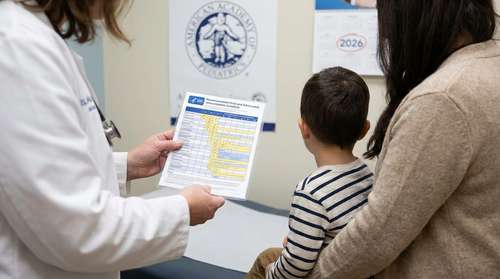
In an unprecedented move that has sent shockwaves through the American medical community, the American Academy of Pediatrics (AAP) has officially broken ties with the Centers for Disease Control and Prevention (CDC) regarding the 2026 pediatric vaccine schedule. As of February 1, 2026, the AAP is advising all U.S. pediatricians and parents to ignore the new, stripped-down federal guidance and maintain the traditional 18-vaccine regimen. This historic rift creates a confusing landscape for millions of families, particularly as hospitals grapple with a severe winter surge of respiratory illnesses.
The Core Disagreement: 18 Vaccines vs. 11
The controversy centers on the CDC’s drastic revision of the childhood immunization schedule, released late last month under the direction of the Department of Health and Human Services (HHS). The new federal guidelines have removed universal recommendations for seven previously routine vaccines, reclassifying them for "high-risk" groups or "shared clinical decision-making."
The vaccines no longer universally recommended by the CDC for healthy children include:
- Hepatitis A and B
- Influenza (Flu)
- Rotavirus
- Pneumococcal (PCV) (for certain low-risk age groups)
- Meningococcal
- Respiratory Syncytial Virus (RSV)
- COVID-19
In a sharp rebuke, AAP leadership described the federal changes as "dangerous and unnecessary," citing a lack of new scientific data to justify removing these protections. The Academy’s own pediatrician recommended schedule remains unchanged from 2025, urging continued vaccination against all 18 preventable diseases to maintain community immunity.
The "Denmark Model" Debate in a U.S. Context
Federal officials have defended the new 2026 pediatric vaccine schedule by claiming it aligns the U.S. with international norms, specifically citing the "Denmark Model," which recommends fewer routine shots. HHS argues this reduction empowers parental choice and reduces "vaccine fatigue."
However, pediatric experts argue this comparison is flawed. "Comparing the U.S. to Denmark ignores fundamental differences in our healthcare safety nets," stated Dr. Sean O'Leary, chair of the AAP Committee on Infectious Diseases, in a press conference this week. Unlike European nations with universal healthcare and robust early detection systems, the U.S. relies heavily on broad vaccination coverage to prevent outbreaks from spiraling out of control. The AAP emphasizes that removing these safeguards in a country with high population density and pockets of low healthcare access poses a severe risk to vaccine safety for children.
Timing of the Rift: A Historic Respiratory Surge
The timing of this bureaucratic standoff could not be worse. The AAP vs CDC vaccine guidelines clash comes amidst a historic surge in childhood respiratory viruses. Emergency rooms across the country are currently operating at capacity due to a "tripledemic" of flu, RSV, and a resurgence of measles.
Data from late January 2026 reveals a troubling trend:
- Measles Resurgence: The CDC has confirmed 416 measles cases in the first four weeks of 2026 alone—a figure that exceeds the total cases for the entire previous year.
- Pediatric Deaths: Just yesterday, Colorado health officials confirmed the season's first pediatric death from COVID-19, underscoring the lethal potential of viruses now deemed "optional" by federal guidelines.
- RSV Hospitalizations: Hospitalization rates for infants with RSV remain critically high, yet the new federal schedule moves the RSV preventative shot (Beyfortus) to a restricted category.
Pediatricians warn that downgrading these vaccines to "optional" status during an active outbreak is akin to removing seatbelts in the middle of a car crash.
Navigating School Vaccination Requirements
For parents, the most immediate confusion surrounds school vaccination requirements. While the CDC sets federal recommendations, it is individual states that determine school entry mandates. In the wake of the federal shift, confusion has erupted in school districts nationwide.
As of this morning, health departments in 28 states have issued statements reaffirming their alignment with the AAP’s robust schedule, effectively ignoring the new CDC guidance for school entry purposes. Parents are advised to check with their local school boards, as most institutions are expected to maintain the stricter pre-2026 requirements to ensure campus safety.
Actionable Advice: What Families Should Do Now
Amidst these conflicting family health alerts 2026, medical experts offer clear advice for confused parents:
- Consult Your Pediatrician: Your child’s doctor is likely following the AAP guidelines. Rely on their expertise rather than shifting political winds.
- Check Insurance Coverage: Despite the CDC changes, the Affordable Care Act (ACA) mandates coverage for vaccines recommended by the Advisory Committee on Immunization Practices (ACIP). However, with the ACIP’s recent overhaul, coverage for "non-routine" shots remains a gray area that insurers are scrambling to clarify.
- Don't Delay Care: With measles and flu circulating at high levels, delaying shots while waiting for policy clarity puts children at immediate risk.
The childhood immunization controversy of 2026 is far from over, but for now, the consensus among pediatric experts is unanimous: stay the course with the proven, comprehensive schedule that has protected children for decades.