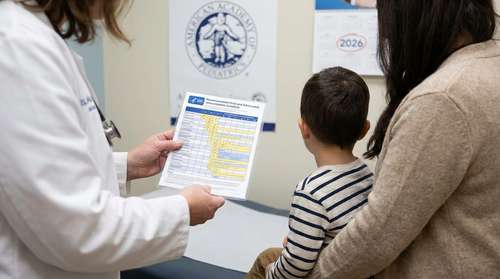
In a flurry of policy briefings issued this week, leading medical organizations released urgent clarifications on March 11 regarding the controversial CDC vaccine schedule 2026. The unprecedented federal overhaul, which reduced universally recommended childhood shots from 17 to just 11, continues to dominate family health news as parents scramble to understand the implications. With the Advisory Committee on Immunization Practices (ACIP) preparing for its next major meeting next week, pediatricians are working overtime to explain how these adjusted guidelines impact everything from seasonal virus protection to basic daycare enrollment.
The decision to streamline the immunization timeline marks one of the most significant pediatric health updates in decades. Federal health officials modeled the new guidelines after European nations like Denmark, moving six previously routine shots into a "shared clinical decision-making" (SCDM) or high-risk category. While the government aims to give families more flexibility, the shift has sparked intense debate among healthcare professionals who worry about a resurgence of preventable illnesses.
The Core 11: What Remains Universally Recommended
Despite the sweeping changes, the Centers for Disease Control and Prevention maintained universal recommendations for 11 vital vaccines. The core schedule preserves protections against severe diseases, meaning shots for polio, tetanus, whooping cough, and chickenpox remain standard protocol.
Crucially, the combined MMR shot is still universally advised, which remains the frontline defense for preventing measles in children. Mumps and rubella are also covered under this umbrella. One notable adjustment within the core group involves the human papillomavirus (HPV) vaccination; the agency now suggests a single dose instead of the traditional two- or three-shot series, depending on the patient's age.
Understanding Shared Clinical Decision-Making
The most confusing aspect of the updated policy involves the six new childhood immunizations removed from the universal list. Vaccines for hepatitis A, hepatitis B, rotavirus, influenza, COVID-19, and certain types of bacterial meningitis are now designated for high-risk groups or subject to shared clinical decision-making. This means parents must actively discuss the risks and benefits with their healthcare provider rather than receiving these shots automatically.
A major focal point for concerned parents is the RSV vaccine for infants. Previously heavily promoted to prevent severe respiratory distress in babies, the immunization is now officially categorized primarily for high-risk groups under the federal framework. Doctors warn that respiratory syncytial virus remains a leading cause of infant hospitalization, urging families to weigh the decision carefully with their pediatrician rather than skipping the protection entirely.
Navigating School Vaccine Requirements 2026
With federal guidelines shifting, many parents are understandably anxious about school vaccine requirements 2026. It is vital to remember that the federal government does not dictate school entry policies; individual states maintain that authority. As of this week, at least 20 states have announced they will not adopt the truncated federal schedule.
Instead, these states—along with the American Academy of Pediatrics (AAP)—are sticking to the traditional 18-disease schedule. The AAP has officially broken ranks with the federal agency, releasing its own comprehensive guidelines that continue to universally recommend the full suite of shots. Consequently, your local school district will likely still require proof of vaccination for diseases that the federal government has moved to the optional category.
Insurance Coverage and Access
A primary concern following this policy shift is whether families will face out-of-pocket costs for vaccines no longer on the universal list. Under the Affordable Care Act, insurance companies must fully cover any immunization designated for shared clinical decision-making without cost-sharing. Industry experts confirmed this week that major insurers have committed to funding the broader spectrum of shots through at least the end of the year.
The federal Vaccines for Children (VFC) program also continues to provide free immunizations to eligible families. If you decide, alongside your pediatrician, that your child needs a hepatitis B or flu shot, financial barriers should not prevent access.
Next Steps for Families
The landscape of childhood medicine is evolving rapidly, but the foundational goal remains keeping kids healthy. Schedule an appointment with your healthcare provider well before the summer rush to review your child's medical records. By having an open, informed conversation about the updated schedule, you can make the best choices for your family's unique health needs while ensuring full compliance with local education standards.