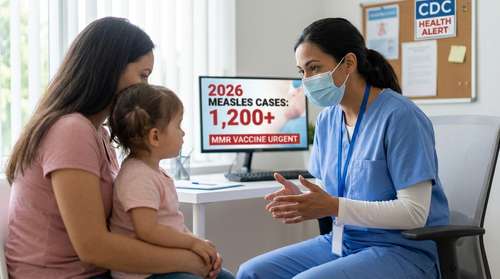
The United States is facing a critical public health turning point. Just two months into the year, the CDC measles outbreak 2026 tracker has recorded over 1,280 confirmed cases nationwide, already eclipsing the highest annual totals seen in over a decade. Driven by clustered outbreaks in states like Utah—which surpassed 400 cases just this week—and rapid school transmissions in Colorado, federal health officials are issuing urgent pediatric health alerts. The message to parents is clear: verify your child's immunization status immediately, as the highly contagious virus threatens to strip the U.S. of its measles elimination status.
The 2026 Measles Surge: What Is Driving the Outbreak?
Public health officials have been bracing for a resurgence of childhood infectious diseases following a dip in routine pediatric care over the last few years, but the sheer velocity of the 2026 numbers has caught many off guard. In 2025, the U.S. saw a massive spike of over 2,280 cases, and the current year is on track to surpass that grim milestone. The Centers for Disease Control and Prevention reports that roughly 89% of current infections are outbreak-associated, tearing through communities with lower immunity barriers.
Recent clusters highlight how quickly the virus exploits vulnerable populations. In Colorado, a fast-moving outbreak recently hit the Broomfield area, spreading rapidly after unvaccinated individuals attended local schools and traveled through Denver International Airport. Similarly, health officials in Utah reported an explosion of cases this week, with dozens of individuals seeking emergency hospital care. Measles is one of the most contagious human viruses known, spreading through the air more efficiently than influenza, polio, or Ebola. When the virus enters an undervaccinated community, it finds hosts almost immediately.
Recognizing Measles Symptoms in Children
Because the virus has been relatively rare in the U.S. until recently, many young parents and even some newer healthcare providers have never seen a clinical case. Knowing the early measles symptoms children exhibit is crucial for rapid isolation and treatment. The infection typically progresses in distinct stages:
- Early Symptoms (Days 1-3): High fever that can spike to 104 degrees, accompanied by the classic symptoms of a cough, coryza (runny nose), and conjunctivitis (red, watery eyes).
- Koplik Spots (Days 2-3): Tiny white spots may appear inside the mouth against the inflamed cheek lining.
- Measles Rash (Days 3-5): The hallmark rash breaks out, usually starting as flat red spots on the face at the hairline and spreading downward to the neck, trunk, arms, and legs.
If you suspect your child has been exposed, it is critical to call your pediatrician before walking into a waiting room, as the virus can linger in the air for up to two hours after an infected person has left the area.
MMR Vaccine Safety and Efficacy
The cornerstone of preventing measles infection remains the combination vaccine. Decades of clinical data and real-world application consistently reaffirm MMR vaccine safety. According to the CDC, two doses of the vaccine are approximately 97% effective at preventing a measles infection entirely. The standard immunization schedule recommends the first dose between 12 and 15 months of age, with a second dose administered between 4 and 6 years of age.
Health departments are currently deploying resources to outbreak epicenters to offer free or low-cost immunizations. The data from the current surge is stark: the vast majority of hospitalizations—which involve severe complications like pneumonia or encephalitis—are occurring in unvaccinated individuals. Vaccinated children who do happen to catch the virus almost universally experience much milder symptoms and avoid severe disease.
Navigating School Vaccination Laws
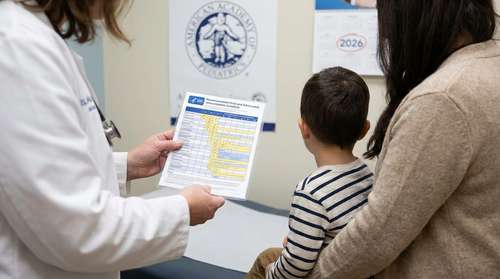
As the outbreak widens, local health departments and school districts are strictly enforcing school vaccination laws to protect vulnerable students, including infants who are too young to be vaccinated and children with compromised immune systems. Depending on your state, children exposed to a confirmed case of measles who lack documentation of immunity may be legally required to quarantine and stay out of school for up to 21 days. Verifying your family's immunization records now can prevent major disruptions to your child's education and prevent the virus from turning schools into transmission hubs.
What Families Should Do Right Now
In response to these escalating pediatric health alerts, parents need to take proactive steps today. First, check your child's medical records to ensure they have received both doses of the MMR or MMRV vaccine. If you are planning domestic travel through major hubs like Denver or Chicago—or traveling internationally—consult your pediatrician about whether an early dose is recommended for infants between 6 and 11 months old.
Measles is not just a harmless childhood rash; it is a serious respiratory disease that requires a unified community response. By staying up to date on immunizations and knowing when to seek medical care, families can shield their children from the worst of this historic outbreak and help halt the virus in its tracks.