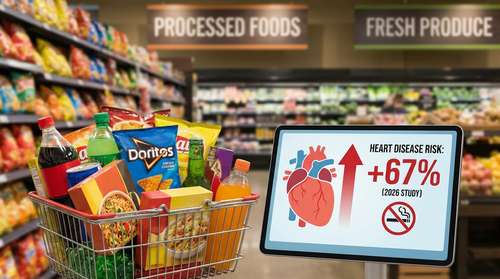
They line our pantry shelves, dominate grocery store aisles, and promise unparalleled convenience for busy lifestyles. But a landmark UPF study 2026 is ringing a massive alarm bell for public health. Presented at the American College of Cardiology's Annual Scientific Session (ACC.26) and simultaneously published in JACC: Advances in March 2026, the research highlights a devastating connection between ultra-processed foods heart disease and severe cardiovascular outcomes. For decades, brightly colored sodas, packaged snacks, and instant meals were viewed as harmless dietary compromises. Today, sweeping clinical data and shifting consumer sentiment are painting a much darker picture, prompting public health advocates to label these hyper-palatable products the "new tobacco".
The Staggering 67% Risk Increase
The definitive 2026 findings draw from the Multi-Ethnic Study of Atherosclerosis (MESA), analyzing dietary data and long-term health outcomes of 6,814 U.S. adults aged 45 to 84. What researchers uncovered completely shifts our understanding of processed food health risks. Participants in the highest consumption bracket—eating an average of 9.3 servings of ultra-processed foods per day—faced a shocking 67% higher risk of experiencing a heart attack, stroke, or cardiovascular-related death compared to those consuming just one serving daily.
Crucially, this risk does not merely jump at extreme levels of consumption; it builds steadily. Lead study author Dr. Amier Haidar noted that each additional daily serving of an ultra-processed item increases the likelihood of a major cardiac event by 5.1%. This association remains rock-solid even after scientists controlled for daily calorie intake, overall diet quality, and pre-existing conditions like obesity, diabetes, and high blood pressure. Your heart does not just care about how many calories you consume—it cares deeply about the industrial processing those calories underwent before reaching your plate.
Racial Disparities in Cardiovascular Impact
The data also exposes a troubling disparity in how these foods affect different demographics. While the general population sees a 5.1% risk increase per serving, Black Americans face a magnified 6.1% risk jump with every additional daily serving. Experts attribute this heightened vulnerability to targeted food marketing and systemic environmental factors, such as food deserts that restrict access to fresh, minimally processed groceries.
Engineered to Be Addictive: The Push for Food Additive Safety
Beyond the physiological damage, there is growing outrage over food additive safety and the intentional formulation of these products. A sweeping March 2026 survey conducted by global health app Lifesum revealed that 90% of U.S. consumers believe ultra-processed foods are deliberately engineered to be hard to stop eating. Four in five adults report feeling a distinct loss of control when consuming these items, followed by deep regret.
This cycle of cravings is no accident. Industrial emulsifiers, artificial flavors, and refined isolates bypass the body's natural satiety signals. This aggressive chemical manipulation is a core driver of vascular inflammation nutrition experts have warned about for years. Ingredients like carrageenan, modified starches, and artificial sweeteners actively disrupt the gut microbiome, triggering systemic immune responses. The chronic inflammation triggered by these synthetic ingredients degrades arterial walls, accelerating plaque buildup and setting the stage for sudden cardiac events. It is a biological chain reaction that explains why the cardiovascular damage from these foods outpaces damage from naturally occurring sugars or fats.
Public sentiment is rapidly catching up to the science. Nearly half of Americans now support tobacco-style regulations for ultra-processed goods, including clear warning labels, stringent marketing restrictions, and heavy taxation.
Navigating New Dietary Guidelines 2026
As the scientific community digests these striking findings, policymakers are already lobbying for substantial updates to the new dietary guidelines 2026. Anticipated shifts include strict daily limits on industrial additives and a reclassification of heavily processed foods from "moderation" items to "hazard" categories. However, you do not need to wait for federal policy changes to protect your cardiovascular system.
Practical Heart-Healthy Eating Tips
Reclaiming your diet from the grip of hyper-palatable convenience foods requires intention, but the protective benefits for your heart are immediate. Here are actionable heart-healthy eating tips to lower your risk:
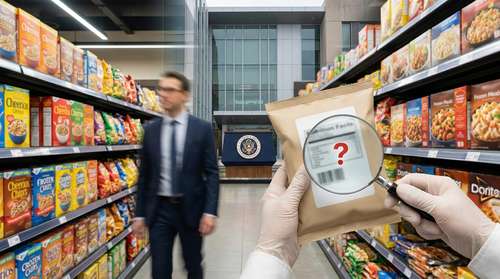
- Shop the Perimeter: Focus your grocery shopping on the outer edges of the store where fresh produce, lean proteins, and whole grains are kept, avoiding the center aisles where boxed, shelf-stable items dominate.
- Read the Ingredient List: If a product contains substances you wouldn't find in a standard home kitchen—like modified food starches, hydrogenated oils, or high-fructose corn syrup—leave it on the shelf.
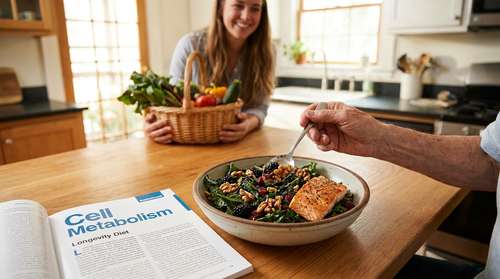
- Batch Cook Whole Foods: Combat the convenience of instant meals by preparing large batches of quinoa, roasted vegetables, and grilled chicken twice a week. Having ready-to-eat whole foods in your fridge neutralizes the temptation to grab a processed snack.
- Prioritize Fiber: Ultra-processed foods are notoriously stripped of dietary fiber to increase shelf life. Counteract this by intentionally adding high-fiber foods like lentils, oats, and chia seeds to your daily meals, which naturally lower cholesterol and stabilize blood sugar.
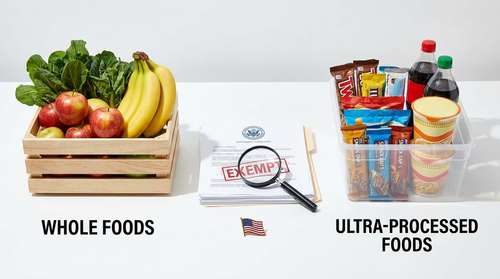
- Swap Wisely: Replace brightly colored sodas with sparkling water infused with real fruit, and trade packaged baked goods for a handful of raw nuts and a piece of whole fruit.
The message from the latest cardiological research is unmistakable. Ultra-processed foods are not just empty calories; they are active contributors to chronic disease. By recognizing the severe cardiovascular toll of these modern dietary staples, you can take proactive steps to safeguard your heart health for decades to come.