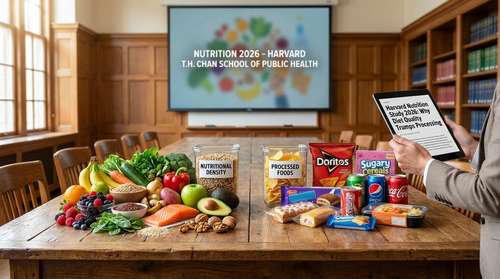
In a historic shattering of nutritional orthodoxy, the federal government released the 2026 Dietary Guidelines for Americans this Wednesday, marking the most radical shift in U.S. food policy since the creation of the Food Pyramid. Led by Health and Human Services Secretary Robert F. Kennedy Jr. and Agriculture Secretary Brooke Rollins, the new standards effectively declare an end to the decades-long "war on saturated fats," urging Americans to swap ultra-processed seed oils for traditional fats like healthy fats butter and tallow.
The "Real Food" Paradigm Shift
The 2025-2030 guidelines, unveiled at a press briefing in Washington on Jan. 7, represent the cornerstone of the Trump administration's "Make America Healthy Again" (MAHA) agenda. Gone are the nudges toward low-fat dairy and plant-based meat alternatives. In their place is a blunt new directive: "Eat Real Food."
"This is the most significant reset of federal nutrition policy in history," Kennedy declared. "We are returning to the basics. American households must prioritize whole, nutrient-dense foods—protein, dairy, vegetables, fruits, and healthy fats."
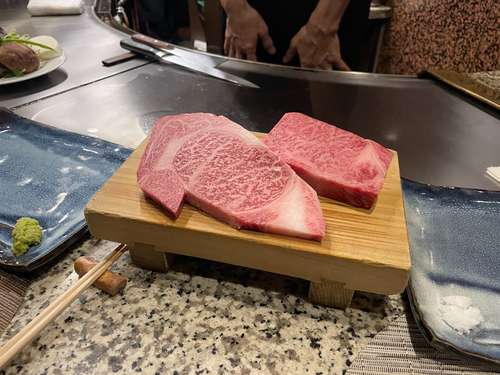
The new framework introduces what officials are calling a "restructured food hierarchy," which prioritizes a whole food protein diet. The guidelines explicitly recommend consuming high-quality animal proteins, including red meat, poultry, and eggs, alongside full-fat dairy products. This stands in stark contrast to previous iterations that emphasized lean meats and warned against dietary cholesterol.
Return of the Fats: Butter and Tallow
Perhaps the most controversial and headlined-grabbing change is the re-evaluation of cooking fats. For the first time in over 40 years, federal guidance encourages the use of healthy fats butter and tallow for cooking, placing them alongside olive oil as preferred options.
Kennedy, a vocal critic of industrial seed oils (such as soybean, corn, and canola oil), has long argued that their introduction into the American diet correlates with rising chronic disease rates. The new guidelines reflect this stance, advising Americans to minimize the consumption of industrial vegetable oils, citing concerns over inflammation and processing methods.
"We are ending the war on saturated fats," Kennedy stated, challenging the consensus held by the American Heart Association. While the guidelines technically maintain a recommendation to monitor overall caloric intake from fats, the qualitative advice has shifted dramatically toward traditional animal fats and away from the "Hateful Eight" seed oils targeted by the MAHA movement.
Cracking Down on Ultra-Processed Foods
The updated policy launches a direct offensive against the center aisles of the grocery store. Citing recent studies published in The Lancet and other major journals, the guidelines highlight ultra-processed foods health risks as a primary driver of the obesity and diabetes epidemic.
The document defines ultra-processed foods (UPFs) not just by their nutritional content, but by the presence of industrial additives, artificial flavors, and stabilizers. "If your great-grandmother wouldn't recognize the ingredients, don't eat it," Secretary Rollins added, simplifying the technical language for the public.
The Science on UPFs
This policy pivot is supported by a wave of recent research from late 2024 and 2025 linking UPF consumption to 32 distinct health problems, including cardiovascular disease, anxiety, and early mortality. By formally acknowledging these risks, the USDA has set the stage for sweeping changes in how food is procured for federal programs.
Zero Tolerance for Added Sugars
Sugar is the other major casualty of the 2026 overhaul. The new standards impose the strictest added sugar limits 2026 has ever seen, advising that added sugars should comprise less than 5% of daily calories—half of the previous 10% limit.
The guidelines specifically target liquid sugars in sodas and flavored coffees, as well as hidden sugars in savory processed foods. "Sugar is a toxin in the quantities we are currently consuming," the report states. This recommendation is expected to heavily influence the upcoming FDA 2026 food overhaul, particularly regarding Front-of-Package (FOP) labeling rules that are currently under review.
FDA 2026 Food Overhaul and School Lunches
The ripple effects of these guidelines will be felt immediately in institutional settings. The RFK Jr food policy updates mandate that the National School Lunch Program align with the new standards by the start of the 2026-2027 school year.
This means schools will likely see:
- A removal of flavored low-fat milks (which are high in sugar).
- The reintroduction of whole milk.
- A ban on seed-oil-fried menu items.
- Increased servings of fresh beef and eggs.
While the guidelines themselves are advisory, they dictate the criteria for federal spending. With billions of dollars in USDA procurement on the line, the food industry is already scrambling to reformulate products to avoid the "ultra-processed" label that the FDA is expected to formalize later this year.
A Nation Divided on Dinner
The reaction from the nutrition establishment has been mixed. Traditional organizations like the American Heart Association have expressed concern over the promotion of saturated fats, warning of potential cardiovascular impacts. Marion Nestle, a prominent food policy expert, called the simultaneous promotion of high-fat meats and the retention of some saturated fat limits "contradictory."
However, the administration maintains that the obesity crisis requires a new approach. "For decades, we followed the old pyramid, and we got sicker," Kennedy argued. "It's time to try the truth."