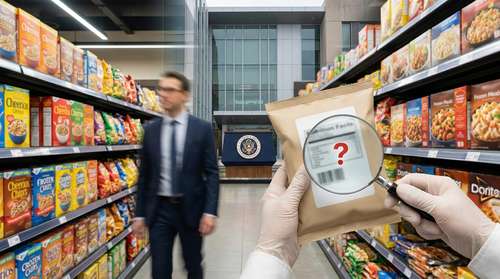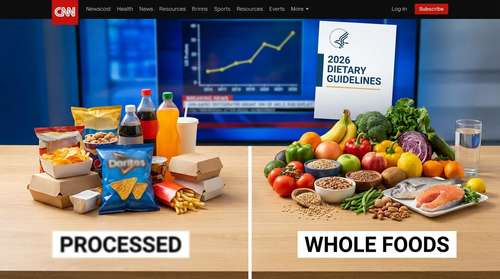
This week, the U.S. Department of Health and Human Services (HHS) accelerated its historic overhaul of national nutrition policy, advancing the timetable to release the first-ever federal statutory definition of ultra-processed foods. Building directly upon the highly publicized 2026 Dietary Guidelines released earlier this year, this latest HHS nutrition update shifts the government's focus away from traditional calorie counting. Instead, regulators are heavily prioritizing metabolic health 2026 initiatives, food source integrity, and a systematic reduction of industrial additives in the national food supply.
A Historic Formal Warning Against Ultra-Processed Foods
For decades, federal nutrition guidance skirted the issue of heavy food processing, focusing largely on macronutrient ratios and abstract caloric limits. The landscape shifted dramatically with the implementation of the 2026 Dietary Guidelines, which issued an unprecedented, formal warning to consumers: severely restrict highly processed, ready-to-eat meals and synthetic snacks. Now, regulators are taking the necessary legal steps to enforce this mandate.
Currently, Americans derive an estimated 55 percent of their daily calories from ultra-processed foods, a figure that jumps to over 60 percent for children and adolescents. Without a rigorous statutory definition, however, regulatory agencies cannot effectively restrict the purchase of these synthetic foods in federal programs or mandate clear warning labels. By cementing a formal classification for ultra-processed foods this month, HHS is opening the door to sweeping structural changes across the agricultural and manufacturing sectors.
The urgency behind this regulatory push follows alarming recent clinical data. A breakthrough March 2026 study from Florida Atlantic University linked high UPF consumption to a staggering 47 percent increased risk of cardiovascular disease, including heart attacks and strokes. This definitive clinical evidence has effectively forced the hand of public health officials to treat industrial food processing as an urgent health crisis.
Impending Food Industry Regulations and Warning Labels
Defining these engineered products is merely the first phase of the broader regulatory framework. Health officials have indicated that as soon as the UPF definition is finalized, the Food and Drug Administration (FDA) will roll out aggressive front-of-package (FOP) labeling requirements. These upcoming food industry regulations aim to introduce a highly visible warning system—likely utilizing a red, yellow, and green light model—that scores grocery items based on ingredient integrity and processing levels rather than just fat or carbohydrate percentages.
This transparency initiative is already sending shockwaves through supermarket aisles. Food manufacturers face immense logistical and financial pressure to reformulate product lines to avoid "red light" designations on their packaging. American diet trends are rapidly reflecting this shift, as informed consumers actively turn away from products laden with artificial flavors, chemical preservatives, and emulsifiers.
The War on Added Sugars
The regulatory clampdown also extends aggressively to sweet additives. The updated HHS framework establishes severe, quantifiable limits on added sugars, capping them at no more than 10 grams per meal for adults. More radically, the guidelines advise zero added sugars for children under ten. By targeting the hidden sugars endemic to packaged goods, regulators hope to curb rising rates of childhood prediabetes and reverse generational metabolic dysfunction.
Whole Food Nutrition Replaces the Low-Fat Era
The federal crackdown on processing coincides with a complete rethinking of healthy fats and proteins. To replace empty, engineered calories, the 2026 Dietary Guidelines effectively flipped the traditional food pyramid upside down. The new guidelines dismiss the long-standing low-fat messaging of the late 20th century, which inadvertently encouraged the consumption of refined carbohydrates. Instead, the government is urging Americans to embrace whole food nutrition in its most natural, unadulterated state.
Current recommendations prioritize high-quality protein at every meal, advising adults to consume 1.2 to 1.6 grams of protein per kilogram of body weight—a significant increase from previous decades. In a major departure from past advice, the guidelines welcome back full-fat dairy, naturally occurring animal fats, and nutrient-dense foods like avocados, tree nuts, and eggs. The focus has decisively shifted toward maintaining stable blood glucose levels, supporting gut microbiome health, and preserving muscle mass, which are foundational pillars of the new metabolic health 2026 agenda.
Shaping Future American Diet Trends
The implications of these policy updates extend far beyond individual household dinner tables. Because these federal guidelines dictate the purchasing standards for school lunch programs, military rations, and the Supplemental Nutrition Assistance Program (SNAP), these new rules will mechanically alter the massive American food system.
While independent nutrition experts widely applaud the prioritization of whole ingredients, the execution of these policies will require overcoming significant logistical and economic hurdles. Redesigning national supply chains to favor fresh, unprocessed foods over cheap, shelf-stable industrial products demands immense capital and structural reform. Addressing food deserts and the high cost of fresh produce remains a critical challenge for policymakers as these guidelines take effect.
Nevertheless, this week's regulatory actions signal that the federal government is fundamentally changing its relationship with the commercial food sector. The mandate is clear: prioritize real, nutrient-dense foods, hold manufacturers accountable for synthetic ingredients, and rebuild the nation's metabolic health from the ground up.