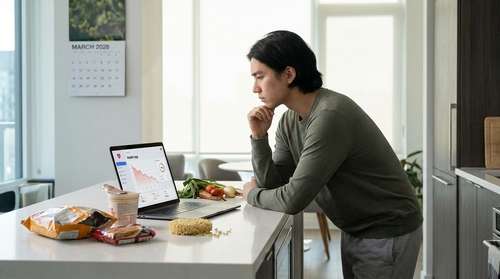
There is a defining moment in almost everyone's life: packing up boxes, grabbing the keys to a new apartment, and officially leaving the parental nest. It is a thrilling milestone of adulthood. However, according to breaking diet quality research 2026 has delivered, this newfound freedom comes with a significant and hidden cost: a phenomenon experts are calling the "Independence Slump." A major longitudinal study published on March 24, 2026, reveals that the transition to independent living acts as a critical window for nutritional decline. Suddenly, home-cooked family meals are swapped for ultra-processed convenience foods, creating a ripple effect on young adult nutrition that can last for years.
Decoding the Independence Slump
When young people move out, they leave behind more than just their childhood bedrooms. They exit the invisible infrastructure of a fully stocked kitchen, established grocery budgets, and structured mealtimes. Researchers tracking the dietary trajectories of adolescents into their late twenties found that overall nutritional quality drops measurably the moment they sign their own lease.
Specifically, DASH diet scores—a clinical metric used to measure hypertension-stopping, nutrient-dense eating patterns—fall by approximately one full point immediately following the transition. Simultaneously, the intake of discretionary or junk foods increases by about 1%. While a single percentage point might sound trivial on paper, this lifestyle impact on diet compounds dramatically over time.
The data maps out a distinct U-shaped curve. Dietary quality hits its absolute lowest point around age 20, right when most young adults are navigating the chaos of early independence, before slowly recovering as they approach age 30. This vulnerable window highlights exactly why nutritional health transitions during early adulthood are so precarious and often dictate long-term wellness.
Why Romantic Partners and Roommates Derail Diets
You might assume that moving into a solo apartment leads to the worst eating habits, fueled by isolated TV dinners and skipped meals. Surprisingly, the data says otherwise. The most severe declines in nutritional health actually occur when young adults move in with romantic partners, closely followed by those relocating with roommates. Living alone still causes a drop, but the communal living dynamic introduces powerful new social variables.
The Social Science of Shared Eating
Food is inherently social, and our eating habits naturally mimic those around us. When moving in with a partner, couples frequently celebrate the milestone with a surge of restaurant dates, takeout nights, and shared culinary indulgences. The let's just order pizza tonight conversation quickly morphs from a rare treat into a bonding ritual.
For roommates, the dynamic is similar but often compounded by conflicting grocery budgets, mismatched cooking skills, and shared pantry temptations. If a roommate consistently stocks the kitchen cabinets with ultra-processed snacks, the sheer proximity makes it incredibly difficult for the other to maintain a disciplined diet. Behavioral psychologists note that we naturally want to harmonize with our housemates; if they are eating convenience meals on the couch, we are highly likely to join them rather than meal-prep a salad in isolation.
Prioritizing Independent Living Health
So, how can newly independent adults break this cycle? Addressing the Independence Slump requires a highly conscious approach to independent living health. Establishing new, sustainable routines immediately upon moving in is essential to prevent poor habits from taking root.
For those championing Gen Z healthy eating, the focus is shifting toward practical habit stacking and open communication. If you are moving in with a partner or friends, have an explicit conversation about food values, shared groceries, and cooking responsibilities before you even unpack your kitchen boxes. By sharing the load of cooking nutrient-dense meals—such as batch-cooking complex carbohydrates or splitting the cost of fresh produce—households can transform communal eating from a nutritional pitfall into a supportive advantage.
Combatting the slump doesn't mean you need to become a gourmet chef overnight. Public health advocates suggest starting with achievable baseline habits. Master three to five simple, balanced recipes that take less than twenty minutes to prepare. Keep your freezer stocked with frozen vegetables, which retain their nutritional value and ensure you always have access to fiber even when the fridge looks bare.
Setting the Standard for Future Wellness
The habits formed during your early twenties rarely stay confined to that decade. Nutritionists emphasize that poor dietary patterns established during this transition frequently carry over into later adulthood, increasing the risk for long-term cardiometabolic issues, weight gain, and chronic inflammation.
As this latest research demonstrates, simply acknowledging the Independence Slump is the vital first step toward overcoming it. Independence should be about building a foundation for your future, and that foundation relies heavily on what you put on your plate. As you pack those moving boxes, remember to pack your cooking habits, too. A new lease on life doesn't have to mean a lease on ultra-processed foods.