For generations, it has been universally assumed that aging is synonymous with an inevitable downhill slide—a time characterized by steady mental and physical decay. However, the latest healthy aging research 2026 has completely upended this bleak narrative. Making headlines this week, a landmark Yale aging study published in the journal Geriatrics has revealed that getting older absolutely does not guarantee a loss of physical or mental prowess. In fact, researchers found that nearly half of older adults actually demonstrated meaningful improvements in their physical and cognitive health over a 12-year period, proving that our later years can be defined by growth rather than deterioration.
Breaking the Myth of Inevitable Decline
For decades, the dominant medical and cultural perspective on aging focused entirely on mitigating loss rather than cultivating gains. Standard medical assessments, including those from global health organizations, have historically measured whether an older person's capabilities have declined, leaving no room for the very real possibility of improvement. But lead researcher Dr. Becca Levy and her team at the Yale School of Public Health recently took a much closer look at individual health trajectories. The researchers analyzed over a decade of data from more than 11,000 Americans aged 65 and older who participated in the federally funded Health and Retirement Study.
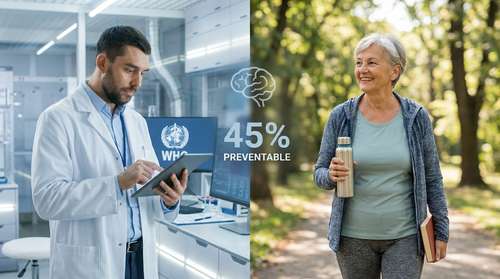
By measuring physical function through walking speed—a critical metric that geriatricians consider a "vital sign" due to its links to hospitalization and mortality—and tracking global cognitive performance, the findings were nothing short of revolutionary. The data revealed that 45 percent of participants improved in at least one area during the study period. Specifically, 32 percent exhibited measurable cognitive improvement in seniors, and 28 percent significantly increased their walking speed. When those who maintained stable cognition were included, over half of the participants completely defied the stereotype of inevitable deterioration.
The Undeniable Link Between Longevity and Mindset
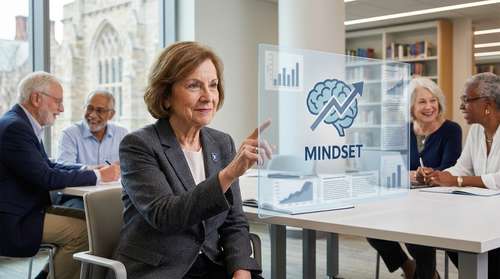
What exactly separates an individual who experiences decline from one who thrives? According to the newly publicized data, the answer lies in the deeply intertwined relationship between longevity and mindset. The research team discovered that participants who held positive beliefs about the aging process before the study began were significantly more likely to experience these physiological and mental gains.
This biological phenomenon perfectly illustrates Dr. Levy's "stereotype embodiment theory," which posits that the cultural stereotypes we absorb about aging eventually become self-relevant and physically consequential. If you expect to become frail, isolated, and forgetful, your biology may simply follow those cultural cues. Conversely, the prospect of reversing age-related decline becomes highly achievable when you actively view your later years as a period of continued vitality, wisdom, and active engagement.
Uncovering the Snowball Effect of Positive Age Beliefs
When individuals harbor positive expectations about getting older, they naturally engage in behaviors that actively promote healthspan optimization. Believing that you possess a reserve capacity for improvement encourages you to stay socially active, exercise regularly, and make proactive medical decisions. This creates a powerful snowball effect where a brighter outlook leads to better lifestyle choices, which in turn fuels further physical and mental gains. It removes the fatalistic approach to aging that so often leads to a self-fulfilling prophecy of decay.
Why Broad Averages Hide True Positive Aging Benefits
One of the most profound takeaways from this research is how easily improvement is masked by broad, population-level statistics. "What's striking is that these gains disappear when you only look at averages," Dr. Levy emphasized regarding the findings. "If you average everyone together, you see decline. But when you look at individual trajectories, you uncover a very different story".
This failure to look at individual pathways has perpetuated medical ageism for decades. When extrapolated to the broader United States population, these positive aging benefits suggest that more than 26 million older Americans are actively improving their functioning right now. Recognizing this fact could fundamentally change how healthcare providers offer preventive and rehabilitation services to seniors, moving away from palliative assumptions and toward active improvement protocols.
Actionable Steps for Maximizing Your Healthspan
Understanding that cognitive and physical deterioration is not a universal mandate is the vital first step toward a healthier future. You have far more control over your trajectory than society might suggest. Here is how you can apply these groundbreaking findings to your everyday life:
- Audit your beliefs: Pay close attention to the negative messaging you consume about aging, whether from anti-aging advertisements, television portrayals, or casual conversations. Actively challenge the assumption that older age equals frailty.
- Stay in motion: Because walking speed is deeply tied to your overall independence, prioritize daily cardiovascular movement. Even moderate brisk walking helps maintain the physical vital signs that protect against disability.
- Prioritize cellular nutrition: Support your body's physical capabilities by embracing nutrient-dense eating patterns like the Mediterranean diet, which has been shown to support mitochondrial health and bolster physical energy.
- Demand proactive healthcare: Do not accept a doctor telling you that a physical ache or memory lapse is "just a normal part of getting older." Seek rehabilitation and preventive care with the expectation that you can improve.
The science is now undeniably clear. Improvement in later life is not a rare anomaly reserved for genetic outliers—it is a common, accessible reality. By reframing how we approach our twilight years, we can unlock our biological reserve and fully embrace the true potential of human aging.