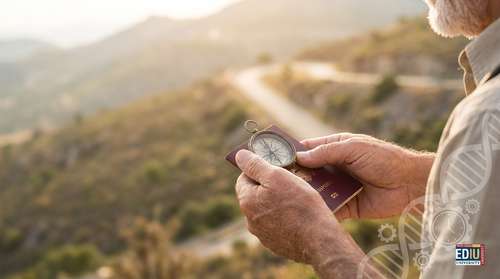
The skincare aisles are crowded with retinol serums and peptide creams promising eternal youth, but the actual secret to preserving your vitality might be waiting at the airport. According to recent developments in healthy aging research 2026, scientists have pinpointed an entirely different approach to extending your healthspan: grabbing your passport. By examining the impact of novel environments on our biology, researchers are making a compelling case that packing your bags could be the ultimate medical intervention.
An innovative Edith Cowan University study has completely reframed how medical professionals view vacations. Led by PhD candidate Fangli Hu, the research applies the physics concept of entropy to human biology. In physics, entropy is the universe's inevitable drift toward chaos and disorder. In the human body, it represents the gradual wear, tear, and systemic decay we recognize as getting older. The breakthrough finding? Positive tourism experiences actively mitigate this biological decline, making travel for longevity a legitimate scientific concept.
The Biology of Slower Aging: How Travel Fights Entropy
Our biological systems require a delicate balance to stave off cellular degradation. The anti-aging benefits of travel stem from how our bodies react to new, engaging stimuli. When you navigate a foreign city or hike a new mountain trail, you are not just burning calories; you are triggering a cascade of beneficial physiological responses that help maintain a low-entropy, highly organized state within the body.
The Edith Cowan University study identifies four major bodily systems that benefit from these experiences: the adaptive immune system, the metabolic system, the stress response system, and the musculoskeletal system. Engaging with novel environments forces the brain to build new neural pathways, while the physical demands of exploration improve blood circulation and expedite nutrient transport. This combined stimulation encourages the release of hormones conducive to tissue repair and cellular regeneration, fundamentally slowing biological aging.
Physical Activity and Immune System Resilience
Healthspan extension is heavily dependent on maintaining a robust immune system and an active metabolism. Travel inherently promotes physical movement. Tourists typically walk significantly more than they do at home, whether they are wandering through historic ruins, navigating expansive museums, or swimming in a local ocean. This moderate, consistent physical exertion is excellent for bone density, muscle retention, and joint health. In fact, walking through diverse terrains forces the body to engage stabilizing muscles that are rarely used during a standard gym workout. Furthermore, moving through different climates exposes the body to diverse stimuli, which can train the immune system to stay vigilant without becoming overactive.
The Power of Novel Environments
Beyond simple exercise, the unfamiliarity of a new destination plays a crucial role. Exposure to novel settings stimulates a healthy, adaptive stress response. Unlike chronic workplace anxiety, which breaks the body down, the mild excitement and mental engagement of travel activate the body's self-organizing capabilities. The immune system learns to accurately identify and defend against new external threats, resulting in a more resilient self-healing mechanism over time.
The Caveat: When Vacations Accelerate Decay
Before you book an exhausting, poorly planned itinerary, it is vital to understand the flip side of the research. The scientists explicitly warn that travel for longevity only works when the experience is largely positive and restorative. Unsafe, overly stressful, or chaotic travel can have the exact opposite effect.
If a trip is filled with intense anxiety, lost luggage, dangerous situations, or severe illness, it parallels the process of increasing entropy. Chronic stress during a bad vacation spikes cortisol levels and pushes the body further toward disorder. High cortisol is directly linked to accelerated cellular aging, impaired immune function, and cardiovascular strain. To harness the true anti-aging benefits of travel, the focus must remain on safety, relaxation, and positive engagement. A trip that leaves you needing a vacation from your vacation is not extending your youth; it is actively depleting your cellular resources.
Actionable Longevity Lifestyle Tips for Your Next Trip
You do not need to embark on a luxurious, month-long retreat to see physiological benefits. Incorporating specific longevity lifestyle tips into your standard vacations can maximize your health outcomes.
- Prioritize Slow Travel: Instead of rushing through ten cities in a week, spend more time in fewer places. This minimizes transit-related stress and allows your nervous system to fully deregulate.
- Engage Socially: Social isolation is a known accelerator of cognitive decline. Strike up conversations with locals, join group walking tours, or connect with fellow travelers to boost mood-enhancing hormones and combat loneliness.
- Stay Active: Skip the taxis when safe and feasible. Exploring by foot or renting a bicycle keeps your musculoskeletal and metabolic systems actively engaged.
- Seek Out Nature: Environments like forests, mountains, and beaches naturally lower heart rates and reduce psychological stress, creating the perfect conditions for cellular and tissue repair.
As the conversation around healthy aging research 2026 evolves, the prescription for a longer, healthier life is shifting from the pharmacy to the boarding gate. Travel for longevity offers a holistic approach to maintaining your youth, proving that stepping out of your routine is one of the best things you can do to protect your body against the passage of time.