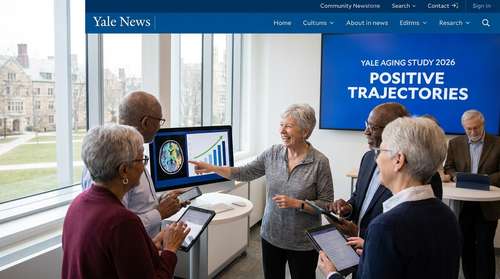
For decades, getting older has been universally framed as a one-way street. The prevailing narrative in both mainstream media and traditional medicine dictates a slow, unstoppable deterioration of mind and body. But the highly anticipated Yale aging study 2026 has successfully shattered this long-held assumption. According to breakthrough research published this March in the journal Geriatrics, the age-related decline myth is officially busted. Far from facing an inevitable downward spiral, nearly half of adults over 65 actually experience measurable senior health improvements over time.
Led by Dr. Becca R. Levy, a professor of social and behavioral sciences at the Yale School of Public Health, alongside co-author Martin D. Slade, the 12-year longitudinal study tracked over 11,000 older Americans via the federally supported Health and Retirement Study. The findings are nothing short of revolutionary for the field of healthy aging. The expansive data proves that cognitive and physical enhancements in later life aren't mere anomalies reserved for genetic lottery winners. Instead, these gains are common, widespread, and deeply influenced by how we internally perceive the aging process itself.
The Data Behind the Rebound
When most medical researchers analyze aging data, they tend to lump everyone together into broad demographic averages. Averages, however, have a notorious tendency to hide individual triumphs. By tracking distinct, individual health trajectories over a full decade, Yale scientists uncovered a vastly different reality.
The numbers speak volumes about the human body's remarkable reserve capacity:
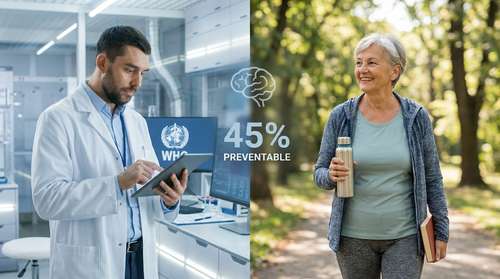
- 45% of participants improved in at least one major health domain over the 12-year follow-up period.
- 32% demonstrated gains in memory and the overall cognitive health seniors rely on for independence.
- 28% improved physically, measured primarily through walking speed.
Geriatricians often treat walking speed as a crucial vital sign for older adults. A brisk, steady gait isn't just about mobility; it is heavily linked to lower hospitalization rates, reduced disability, and decreased overall mortality risk. Seeing over a quarter of the study's demographic actually speed up over a decade challenges everything the medical community thought it knew about physical longevity and stamina.
Defying the Averages
What makes these findings particularly striking is that these health improvements weren't limited to individuals who were simply bouncing back from a temporary illness or acute injury. Even participants who entered the study with perfectly normal baseline functions managed to optimize their health as the years ticked by. Furthermore, when researchers factored in seniors whose cognitive scores simply remained stable rather than declining, well over half of the cohort successfully defied the stereotype of inevitable mental deterioration.
The Power of Positive Age Beliefs
If physical and mental gains are so surprisingly common, what separates the seniors who improve from those who follow the traditional path of decline? The Yale team isolated one incredibly potent variable: mindset.
Individuals who harbored positive age beliefs at the onset of the study were significantly more likely to experience later boosts in both memory and physical agility. This correlation held remarkably strong even after the researchers adjusted the data for compounding variables like baseline age, biological sex, chronic disease, educational background, and clinical depression.
This phenomenon aligns perfectly with Dr. Levy's pioneering 'stereotype embodiment theory'. Cultural messaging that frames aging as a tragic loss of vitality isn't just psychologically damaging—it becomes biologically consequential. When individuals absorb and internalize the narrative that they are destined to become slow and forgetful, their bodies often comply. Chronic stress levels rise, motivation to stay physically active plummets, and the risk of cardiovascular events actually increases.
Conversely, adopting a true longevity mindset acts as a biological protective shield. Seniors who view their later years as a season of continued growth, wisdom, and opportunity exhibit a profound physical resilience. Their optimistic outlook translates into measurable biological benefits, fundamentally altering their physical trajectory.
Rewriting the Health Playbook for Seniors
The implications of this research extend far beyond academic curiosity. Acknowledging that the human brain and body can still optimize at age 70, 80, or beyond opens the door to entirely new approaches in preventative care and societal support.
Currently, many medical interventions for the elderly focus entirely on risk mitigation and slowing down decay. If doctors, families, and policymakers begin treating aging as a phase that includes a massive capacity for improvement, rehabilitation protocols could become far more aggressive and hopeful. Nutrition innovations—like the integration of targeted Mediterranean diets, which are associated with an 11-30% reduction in age-related cognitive disorders—paired with strength training and rigorous cognitive exercises can be prescribed not just to maintain the status quo, but to actively build new capabilities.
Cultivating a Growth Mindset
The most actionable takeaway from the 2026 findings is that you have far more control over your trajectory than outdated stereotypes suggest. Reevaluating how you talk about and think about getting older might just be the most effective, accessible medicine available. Surrounding yourself with positive representations of aging, staying curious, and rejecting ageist media tropes can quite literally rewire your future.
Aging is not a disease to be managed, but a dynamic stage of life ripe with potential. As the Yale data unequivocally shows, your sharpest, most vibrant days may very well still be ahead of you.