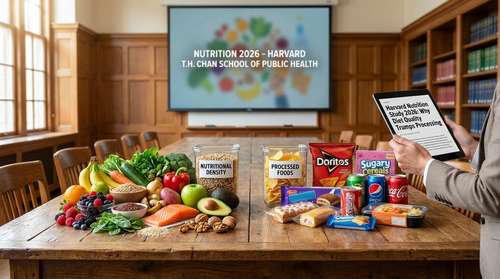
In a decisive move reshaping school cafeterias nationwide, President Donald Trump officially signed the Whole Milk for Healthy Kids Act into law on Wednesday, January 14, 2026. The legislation marks a significant victory for the dairy industry and the "Make America Healthy Again" (MAHA) movement, restoring whole and 2% milk options to the National School Lunch Program for the first time in over a decade. This policy shift, championed by Health Secretary Robert F. Kennedy Jr., directly challenges the low-fat dietary mandates that have governed student meals since 2012, signaling a new era of nutrition policy prioritized by the Trump administration.
Restoring Full-Fat Dairy to 30 Million Students
For millions of American students, the lunch line is about to change. The newly signed legislation effectively overturns the Obama-era restrictions established under the Healthy, Hunger-Free Kids Act of 2010, which had limited schools to serving only fat-free or low-fat (1%) milk. Under the new law, schools participating in federal meal programs can immediately begin offering unflavored and flavored whole milk and 2% reduced-fat milk alongside existing options.
During the signing ceremony in the Oval Office, President Trump, flanked by dairy farmers and bipartisan lawmakers, emphasized the practical benefits of the bill. "Whether you're a Democrat or a Republican, whole milk is a great thing," Trump stated, holding a carton of milk in a symbolic gesture. The President framed the move as a win for student health and American agriculture, noting that taste preference plays a crucial role in ensuring children actually consume the essential nutrients found in dairy rather than throwing cartons in the trash.
The USDA acted swiftly following the signature. Agriculture Secretary Brooke Rollins announced immediate implementation guidance, allowing schools to adjust their menus as soon as supply chains permit. Crucially, the law exempts fluid milk from the strict saturated fat limits that previously barred these products, a technical but vital adjustment that legally clears the path for full-fat dairy's return.
The 'Make America Healthy Again' Agenda
This legislative victory is a cornerstone of the broader Make America Healthy Again initiative, a platform aggressively promoted by Robert F. Kennedy Jr. Since his appointment as Health and Human Services Secretary, RFK Jr. has vowed to dismantle what he calls "antiquated" nutrition advice that prioritizes processed substitutes over natural foods.
"This is a long-overdue correction to school nutrition policy that puts children's health first," Kennedy said following the bill's passage. He has long argued that the "war on saturated fats" led to unintended health consequences, including the replacement of healthy fats with added sugars and refined carbohydrates in children's diets. By prioritizing "real food" like whole milk, the administration aims to combat childhood obesity and chronic disease through nutrient density rather than calorie restriction alone.
Aligning with the 2025-2030 Dietary Guidelines
The signing coincides with the release of the provocative 2025-2030 Dietary Guidelines, which were unveiled just days prior. These new federal guidelines represent a radical departure from previous advice, explicitly encouraging the consumption of full-fat dairy products for their nutrient profile. The guidelines emphasize that the matrix of nutrients in whole dairy foods—including Vitamin D, calcium, and potassium—is more bioavailable and beneficial than previously recognized, validating the legislative push to bring these options back to schools.
Impact on School Lunch Nutrition in 2026
For school nutrition directors, the return of whole milk offers both opportunities and challenges. While the USDA school meal standards now allow for more variety, administrators must navigate supply chain adjustments and budget considerations. However, early support from the International Dairy Foods Association suggests the industry is ready to meet the demand. Michael Dykes, president of the association, celebrated the move, declaring, "The long wait is over! Whole milk is coming back to schools!"
Proponents argue that this change will drastically reduce food waste. Studies cited during the bill's congressional hearings suggested that students often discarded the thinner, less flavorful skim milk options. By offering whole milk, which provides greater satiety and flavor, advocates believe overall calcium and protein intake among students will rise. The law also maintains requirements for non-dairy alternatives, ensuring that students with lactose intolerance or dietary restrictions are accommodated with nutritionally equivalent options.
The Science Debate: Full-Fat vs. Low-Fat
The restoration of whole milk reignites a long-standing scientific debate regarding full-fat dairy benefits. For decades, conventional wisdom held that the saturated fat in whole milk contributed to heart disease and obesity. However, recent research has complicated this picture. Several meta-analyses published in the last five years have found no significant link between full-fat dairy consumption and increased cardiovascular risk in children; in fact, some studies suggest an inverse relationship with obesity.
Dr. Ben Carson, serving as a national nutrition advisor, joined the President at the signing, lending medical credibility to the policy shift. The administration's stance is that natural fats are essential for brain development and hormone regulation in growing children. By pivoting away from ultra-processed low-fat options—which often contain added sugars to compensate for lost flavor—the new policy bets on the idea that traditional, whole foods are the superior choice for long-term pediatric health.