Whole milk is officially back on the menu for America's students. In a decisive move that overturns more than a decade of federal nutrition policy, President Donald Trump signed the Whole Milk for Healthy Kids Act into law on Wednesday, restoring schools' ability to serve whole and 2% milk varieties. The legislation, a cornerstone of the administration's broader nutrition reform agenda, impacts nearly 30 million children participating in the National School Lunch Program and signals a major shift away from the low-fat mandates of the previous era.
A Historic Shift in School Lunch Nutrition Reform 2026
The signing ceremony at the White House on January 14 marked the culmination of a years-long battle by dairy advocates and parents to bring full-fat dairy options back to school cafeterias. Under the new law, schools can immediately begin offering unflavored and flavored whole and 2% milk—options that had been effectively banned since the implementation of the Healthy, Hunger-Free Kids Act of 2010. Crucially, the legislation mandates that the saturated fat in fluid milk not be counted against the strict saturated fat limits usually applied to school meals, removing the regulatory hurdle that had kept these nutrient-dense options out of lunch lines.
"We are giving our children the nutrients they need to grow, thrive, and learn," President Trump stated during the signing. "For too long, Washington bureaucrats told parents that skim milk was the only healthy option. Today, we are following the science and bringing real food back to our schools." The move has been widely celebrated by the MAHA nutrition agenda supporters, who have argued that the restriction of full-fat dairy contributed to higher sugar consumption as schools turned to sweetened low-fat options to make milk palatable.
2025-2030 Dietary Guidelines for Americans Prioritize 'Real Food'
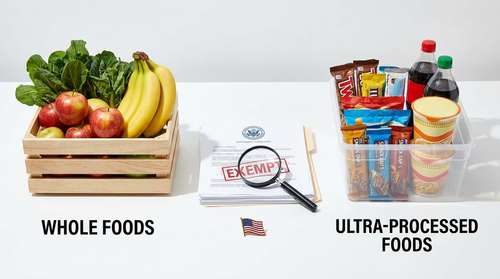
The new law aligns seamlessly with the recently released 2025-2030 Dietary Guidelines for Americans, which were unveiled by the USDA and HHS just last week. In a departure from previous iterations, the new guidelines place a heavier emphasis on "whole food matrices" rather than isolated nutrient caps. While the guidelines still recommend monitoring saturated fat intake, they explicitly recognize full-fat dairy health benefits, citing emerging research that suggests the fats in dairy may not have the same cardiovascular risks as processed saturated fats.
RFK Jr.'s Influence on Food Policy
The fingerprints of Health and Human Services Secretary Robert F. Kennedy Jr. are visible throughout these policy shifts. Kennedy, a vocal critic of what he calls "corporate-captured nutrition science," has championed the return of whole foods to federal programs. "The era of fearing natural fats while ignoring processed sugars is over," Kennedy said in a statement supporting the bill. His influence on the Robert F Kennedy Jr food policy platform has accelerated the approval of the act, framing whole milk not just as a beverage choice, but as a key component in combating childhood chronic disease.
USDA School Meal Standards Get a Makeover
For school nutrition directors, the changes to the USDA school meal standards offer welcome flexibility but also logistical challenges. The law allows for an immediate transition, meaning schools can start ordering whole milk as soon as supply lines allow. The legislation effectively overrides the previous strictures that limited schools to 1% or fat-free options.
Supporters argue that this change will drastically reduce food waste. According to USDA data cited by proponents, millions of gallons of skim milk were being discarded by students annually. "Kids just wouldn't drink the watery, blue-tinted skim milk," said Rep. G.T. Thompson, a primary sponsor of the bill. "By bringing back the milk kids love, we ensure they actually get the 13 essential nutrients—including calcium, Vitamin D, and potassium—that they desperately need."
What This Means for Parents and Students
Parents can expect to see changes in school cafeterias in the coming weeks. While schools are not required to serve whole milk, they now have the option to do so without penalty. The law also permits organic and lactose-free versions of whole milk, catering to a wider range of dietary needs.
- More Options: Cafeterias can serve Whole, 2%, 1%, and Skim milk.
- Better Taste: Advocates hope the return of fuller-fat options will increase consumption.
- Nutrient Density: Focus shifts to the bioavailability of vitamins in full-fat dairy.
As the 2026 school year progresses, the reinstatement of whole milk stands as the first major legislative victory for the "Make America Healthy Again" movement, setting a precedent for future interventions in the nation's food supply.