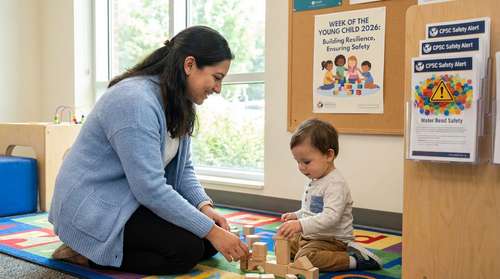
As families and educators nationwide gear up for the Week of the Young Child 2026 (April 11–17), a unified national health push is reshaping how we protect our most vulnerable population. Sponsored by the National Association for the Education of Young Children (NAEYC) during its historic 100th anniversary year, this annual celebration is taking on a profound dual focus. Pediatricians, safety advocates, and educators are joining forces to champion 'upstream' pediatric mental health prevention while simultaneously activating strict new federal regulations on dangerous sensory toys. Together, these sweeping measures aim to drastically improve the trajectory of child wellness across the United States.
Moving Pediatric Mental Health Prevention Upstream
For decades, the medical community's approach to childhood emotional well-being was largely reactive, addressing disorders long after they became entrenched. Today, experts are sounding the alarm on a new strategy for toddler behavioral health support. By moving interventions 'upstream', healthcare providers and early childhood educators are working to identify and treat emotional challenges before they escalate into severe crises. The push for pediatric mental health prevention includes embedding specialized professionals within community clinics to ensure that toddlers receive immediate, localized care.
This proactive approach begins in the critical developmental window between birth and age five. Pediatric clinics and child care centers are integrating routine social-emotional screenings, educating caregivers on early neural development, and addressing family risk factors like maternal depression. The goal of this toddler behavioral health support is to build strong, secure emotional foundations rather than waiting to treat a crisis. Catching red flags early through these community-based efforts provides families with the tools they need to foster robust emotional growth.
Federal Activation of the CPSC Water Bead Safety Standards
While mental and emotional well-being is taking center stage, physical safety remains equally critical. Just weeks prior to this year's awareness campaign, a landmark federal regulation fundamentally changed the landscape of sensory play. On March 12, the new CPSC water bead safety standards officially went into effect, marking a massive victory for child safety advocates following years of urgent national child safety alerts.
Water beads—tiny, super-absorbent polymer balls originally designed for agriculture—were heavily marketed as sensory toys over the last decade. However, they pose severe ingestion risks. According to federal data, an estimated 6,300 water bead-related ingestion injuries were treated in emergency departments between 2017 and 2022, devastating families and prompting widespread outrage. When swallowed, these beads can expand up to 100 times their original size, causing life-threatening bowel blockages. Under the new federal mandate, any water beads manufactured for play must not expand beyond five millimeters in diameter. Additionally, the U.S. Consumer Product Safety Commission has imposed strict limits on acrylamide, a known neurotoxin and potential carcinogen found in the beads. Non-compliant products are now strictly illegal to sell in the United States, forcing retailers to prioritize legitimate, safe alternatives.
Fostering Early Childhood Development Resilience
The intersection of rigorous physical safety and proactive emotional support is where true early childhood development resilience thrives. With dangerous sensory toys removed from living rooms and classrooms, parents can confidently lean into the daily activities championed during this week-long event.
NAEYC has structured the celebration to offer actionable frameworks for at-home resilience building. Themed days provide perfect opportunities to strengthen neural connections and motor skills safely:
- Music Monday: Promotes language development and emotional regulation through rhythmic expression.
- Tasty Tuesday: Connects early math and literacy skills with healthy, lifelong dietary habits.
- Work Together Wednesday: Emphasizes the value of collaboration, teaching toddlers vital social problem-solving skills.
- Artsy Thursday: Fosters independent decision-making and safe sensory exploration without the need for hazardous materials.
- Family Friday: Celebrates the critical role caregivers play in shaping a secure environment for learning and growth.
Safe Alternatives for Sensory Play
With toxic expanding materials officially off the market, many parents are seeking new ways to stimulate their toddlers' senses. Experts recommend substituting risky materials with organic, digestible alternatives like cooked pasta, kinetic sand, or homemade playdough. These simple swaps not only eliminate choking hazards but also encourage the tactile exploration necessary for early childhood development resilience.
The Future of Family Health Initiatives in 2026
The events spanning mid-April represent a broader transformation in how society approaches pediatric health. No longer isolated into separate silos of physical medicine and behavioral therapy, the most successful family health initiatives 2026 has to offer treat the whole child. Protecting toddlers requires an expansive view—one that shields them from toxic ingestible hazards while fiercely guarding their emotional well-being.
As we participate in the Week of the Young Child 2026, the message from the medical and educational communities is clear. True child advocacy means outfitting the next generation with both a safe environment to explore and the emotional vocabulary to navigate their world. By actively engaging in these modern prevention strategies, families can help lay the groundwork for a lifetime of health, safety, and unwavering resilience.