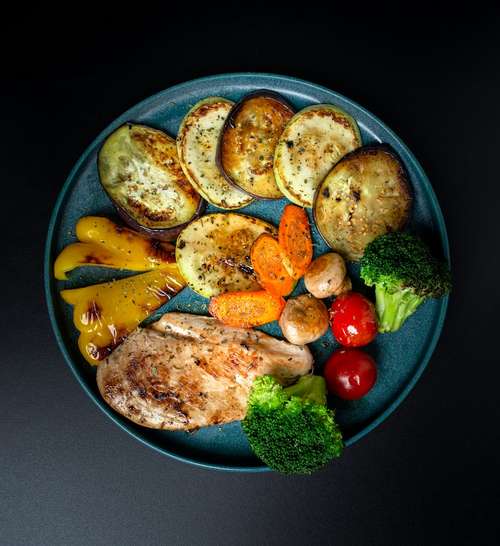
In a historic shift that is reshaping the nation's approach to nutrition, the U.S. government has officially begun implementing the 2025-2030 Dietary Guidelines for Americans. Released earlier this month and currently sending shockwaves through the food industry as of January 19, 2026, these new standards mark a decisive departure from decades of conventional advice. The new framework explicitly champions "real food" while declaring war on ultra-processed products, representing a cornerstone of the "Make America Healthy Again" (MAHA) agenda. With updated protocols now circulating among federal agencies, officials are calling this the most significant overhaul of U.S. nutrition policy in fifty years.
The 'Real Food' Mandate and MAHA Nutrition Guidelines
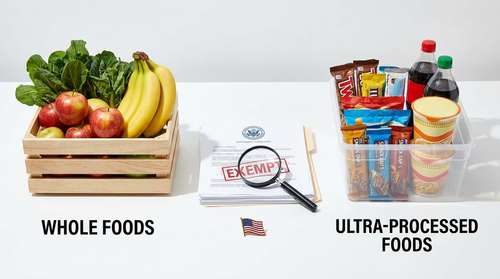
For the first time in history, federal health policy has drawn a hard line between whole foods and what officials are calling "food-like products." The 2025-2030 Dietary Guidelines for Americans prioritize nutrient-dense options—such as meats, vegetables, and dairy—while issuing stark warnings about ultra-processed food health risks. This aligns directly with the MAHA nutrition guidelines, which argue that the chronic disease epidemic is fueled by an over-reliance on industrial food processing.
The new documentation defines "real food" as items prepared with few ingredients and free from industrial additives. Conversely, highly processed items, which currently make up nearly 70% of the average American's caloric intake, are now targeted for dramatic reduction. This isn't just a suggestion; it is a policy directive expected to reshape school lunch programs and federal assistance eligibility in the coming months.
Flipping the Script: The USDA Inverted Food Pyramid
Perhaps the most visible symbol of this new era is the introduction of the USDA inverted food pyramid. This redesigned visual completely overturns the grain-heavy base of the 1992 original. In the new graphic, the widest top section is dedicated to high-quality proteins, healthy fats, and vegetables. Whole grains, once the foundation of the American diet, have been relegated to the smallest bottom tier, signaling a major de-emphasis on carbohydrates.
New Protein Intake Recommendations 2026
The most controversial yet scientifically bold change lies in the new protein intake recommendations 2026. The guidelines now advise adults to consume between 1.2 to 1.6 grams of protein per kilogram of body weight daily. This is effectively doubling the previous standard of 0.8 grams, which officials now describe as merely the "minimum to prevent deficiency" rather than an optimal target for health. The recommendations encourage a variety of sources, including red meat, poultry, eggs, and seafood, validating animal proteins that were previously vilified.
Furthermore, the guidelines have reversed course on dairy fat. Instead of low-fat or skim options, the USDA now explicitly recommends full-fat dairy products, citing their satiety benefits and lack of added sugars. This move directly challenges the low-fat dogma that has dominated nutritional science since the 1980s.
Strict Added Sugar Limits 2026
The government's stance on sugar has shifted from cautionary to combative. The added sugar limits 2026 introduce a rigorous cap: no more than 10 grams of added sugar per single meal. To put this in perspective, a typical flavored yogurt or a small glass of juice often exceeds this amount entirely. The document unequivocally states that "no amount" of added sugar is considered part of a healthy diet, a statement that is expected to force massive reformulation across the packaged food sector.
This 10-gram limit is designed to combat metabolic dysfunction and obesity, with a particular focus on protecting children from early exposure to sweeteners. By setting a per-meal threshold rather than just a daily percentage, the guidelines aim to eliminate the common practice of consuming high-sugar breakfasts or snacks that spike blood glucose levels.
Real Food vs Highly Processed: The Road Ahead
As the debate regarding real food vs highly processed options intensifies, the implementation phase has already begun. Federal programs like WIC and the National School Lunch Program are currently reviewing their procurement standards to align with these new protein targets and sugar restrictions. While health advocates praise the return to whole, unprocessed nutrition, the processed food industry faces an unprecedented challenge to adapt to a marketplace where their core products are now officially discouraged.