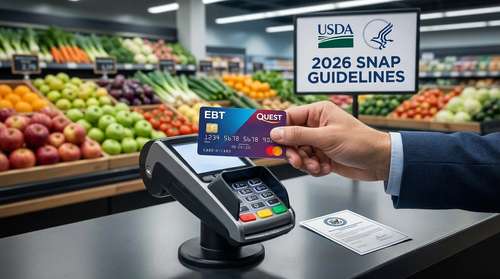
In a historic shift for federal nutrition policy, U.S. Agriculture Secretary Brooke Rollins and Health and Human Services Secretary Robert F. Kennedy Jr. jointly announced a sweeping new "Real Food" mandate today, March 4, 2026. This landmark overhaul of the Supplemental Nutrition Assistance Program (SNAP) introduces stricter stocking standards for retailers and approves four new state-level waivers to restrict junk food purchases. Framed as a cornerstone of the "Make America Healthy Again" (MAHA) agenda, the initiative seeks to align billions in taxpayer spending with the metabolic health goals outlined in the 2026 Dietary Guidelines for Americans.
New SNAP Stocking Standards: A Push for Real Food
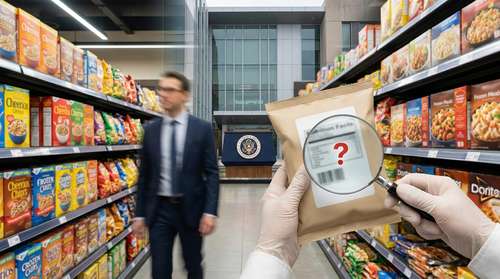
The core of today's announcement is the finalization of the USDA's new "Stocking Standards" rule. For decades, convenience stores and smaller retailers could accept SNAP benefits while stocking a minimal amount of nutrient-dense items. The new rule radically raises this bar, requiring any retailer accepting SNAP to prioritize minimally processed "real food" on their shelves.
"If retailers take taxpayer dollars, they must put real food on their shelves," Secretary Kennedy stated during the press briefing in Washington, D.C. "SNAP exists to nourish vulnerable Americans—not bankroll the products driving our chronic disease crisis."
Under the new regulations, retailers must now stock at least seven varieties of food in each of the four staple categories—dairy, protein, grains, and fruits/vegetables—up from the previous requirement of just three. Furthermore, the rule closes long-standing loopholes that allowed items like spray cheese or beef jerky to count towards these staple requirements. By 2027, stores that fail to meet these SNAP stocking standards will lose their ability to process EBT payments, a move aimed at eliminating "food swamps" where high-calorie, low-nutrient foods dominate.
Four States Join SNAP Food Restrictions 2026
Alongside the stocking rule, Secretary Rollins signed four new state-level SNAP restriction waivers, bringing the total number of states implementing such bans to over a dozen. The newly approved waivers for Kansas, Nevada, Ohio, and Wyoming allow these states to prohibit the use of SNAP benefits for specific ultra-processed food regulations deemed non-nutritious.
These waivers specifically target:
- Sugar-sweetened beverages (sodas, energy drinks)
- Candy and confectioneries
- Foods containing specific artificial dyes and preservatives
"We are empowering states to protect their citizens," Rollins explained. "Kansas, Nevada, Ohio, and Wyoming are now leading the charge to ensure that public assistance supports public health." This move follows similar approvals earlier this year for states like Florida and Texas, signaling a rapid expansion of the USDA real food mandate across the country.
Aligning with the 2026 Dietary Guidelines for Americans
This policy overhaul is the first major enforcement action tied to the 2026 Dietary Guidelines for Americans, released in January. Unlike previous iterations, the 2026 guidelines explicitly define and advise against "ultra-processed foods" (UPFs) for the first time, linking them directly to the nation's metabolic health crisis.
The "Metabolic Health" Pivot
The new guidelines emphasize a "food-as-medicine" approach, prioritizing metabolic health over simple calorie counting. By integrating these scientific recommendations into RFK Jr food policy, the administration aims to reverse rising rates of type 2 diabetes and obesity among low-income populations. Dr. Ben Carson, serving as the National Nutrition Advisor, highlighted that this alignment is crucial for long-term economic sustainability, reducing the burden of chronic disease on the healthcare system.
Impact on Retailers and Families
The reaction to the mandate has been mixed but intense. Public health advocates praise the Make America Healthy Again nutrition strategy as a necessary intervention. They argue that tightening SNAP food restrictions 2026 will naturally shift the market, forcing manufacturers to produce healthier options if they want to retain access to the multi-billion dollar SNAP market.
However, trade associations representing convenience stores and rural grocers have voiced concern. They argue that the new stocking requirements may be difficult for small, rural stores to meet, potentially creating food deserts if these stores are forced to drop the program. The USDA has promised technical assistance and a grace period to help these retailers transition their inventory to meet the new real food criteria.
What Comes Next?
As the ultra-processed food regulations take effect, all eyes will be on the implementation rollout. Retailers have a 12-month window to update their inventory to comply with the new stocking standards. Meanwhile, the four new waiver states—Kansas, Nevada, Ohio, and Wyoming—are expected to begin enforcing their specific purchase restrictions by late summer 2026.
Today's announcement signals that the era of federal nutrition neutrality is over. With the USDA and HHS acting in lockstep, the definition of "food assistance" is being fundamentally rewritten to mean "health assistance."