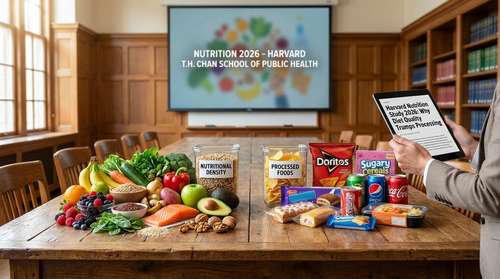
For decades, American shoppers have navigated a labyrinth of confusing ingredient lists, artificial flavors, and stealthy preservatives. That era of ambiguity is rapidly closing. This week, the Department of Health and Human Services (HHS) and the U.S. Food and Drug Administration (FDA) officially moved forward with the first-ever federal definition of ultra-processed foods. This landmark regulatory standard targets industrial food additives and synthetic ingredients, representing one of the most aggressive shifts in U.S. dietary policy in a generation. It promises to fundamentally alter how grocery staples are formulated, packaged, and sold to consumers nationwide.
What the New Federal Classification Means
Until now, "ultra-processed" was largely an academic term used by researchers to describe chemically altered food products. Without a legal framework, food manufacturers faced few barriers when infusing shelf-stable items with high-fructose corn syrup, modified starches, and artificial dyes. The new classification establishes a rigid boundary. Under the newly unveiled standard, a product is legally flagged as ultra-processed if it relies on industrial processing techniques and includes functional additives designed to increase palatability and extend shelf life.
The urgency behind this classification stems from mounting evidence surrounding UPF health risks. Recent data emphasizes a direct correlation between heavily processed diets and chronic conditions such as obesity, cardiovascular disease, and type 2 diabetes. By cementing a formal definition, the federal government is laying the groundwork to regulate these items more like public health hazards than everyday snacks.
The MAHA Nutrition Agenda and RFK Jr.'s Vision
You cannot analyze this regulatory earthquake without understanding the political engine driving it: the MAHA nutrition agenda (Make America Healthy Again). Spearheaded by U.S. Health Secretary Robert F. Kennedy Jr., the initiative treats food as medicine and squarely targets the deeply entrenched processed food industry.
Secretary Kennedy set the stage for this announcement during a March 2026 podcast interview, promising that a definitive regulatory framework was imminent. His overarching RFK Jr nutrition policy is simple in concept but massive in execution: pivot American diets away from laboratory-engineered convenience items and back toward whole ingredients. This philosophy directly echoes the updated 2025-2030 Dietary Guidelines for Americans released earlier this year, which famously summarized its advice in three clear words: "Eat Real Food".
Beyond the Grocery Aisle: SNAP and Federal Programs
The ripple effects of the new classification extend far beyond standard retail. As part of the broader policy overhaul, federal assistance programs are being fundamentally restructured. Under the latest guidelines, 18 states have already moved to restrict the purchase of ultra-processed items using Supplemental Nutrition Assistance Program (SNAP) benefits. By leveraging the official definition, policymakers aim to ensure that taxpayer-funded food programs distribute only health-promoting staples, halting the subsidization of the chronic disease epidemic.
Sweeping Changes: FDA Front-of-Package Labeling 2026
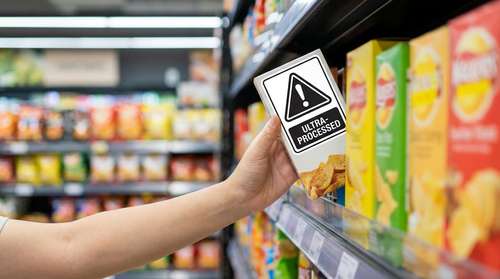
Defining these foods is only the first step. The immediate consequence will be highly visible on supermarket shelves through aggressive FDA front-of-package labeling 2026 updates. The administration is rapidly moving toward a mandatory graphic warning system for products falling under the new ultra-processed umbrella.
Rather than hiding nutritional pitfalls in fine print on the back of a cereal box, the FDA is evaluating a "red light, yellow light, green light" traffic-light system. This bold graphic indicator will instantly communicate a food's healthfulness based on its complete ingredient profile, alerting buyers to high levels of saturated fats, added sugars, and sodium. If a product meets the federal definition of an ultra-processed food, it will likely be impossible to mask it behind misleading "all-natural" marketing claims.
Overhauling the Additive Loophole
Alongside consumer-facing labels, the industry is bracing for strict food additive regulations 2026. The FDA's Human Foods Program is rolling back the longstanding "Generally Recognized as Safe" (GRAS) loophole, which previously allowed companies to bypass rigorous safety reviews for many chemical ingredients. Moving forward, manufacturers will face mandatory submission requirements for additives, pushing synthetic dyes—such as Red 40 and Yellow 5—and certain chemical preservatives toward an eventual phase-out.
Navigating the New Healthy Eating Government Guidelines
So, how will these shifts impact your weekly grocery haul? In the short term, expect to see your favorite snack aisles undergo a visual transformation. Manufacturers are already rushing to reformulate profitable items to escape the dreaded "ultra-processed" designation and avoid red-light labels on their packaging.
For consumers, the updated healthy eating government guidelines offer a clear path forward. To adapt to the incoming changes, nutrition experts recommend adopting a few practical shopping habits:
- Shop the perimeter: Focus your spending on fresh produce, whole cuts of meat, and minimally processed dairy located along the outer edges of the store.
- Scrutinize the fine print: Until the new warning labels roll out, avoid products boasting ingredient lists filled with unrecognizable chemical names and synthetic dyes.
- Prioritize whole ingredients: Choose snacks made from single or minimal ingredients, such as roasted nuts or plain fruit, rather than highly extruded or synthesized alternatives.
The era of unchecked industrial food engineering is facing its first real regulatory check. By clearly identifying what makes a food ultra-processed, health officials are transferring the power of informed choice back where it belongs: into the hands of the consumer.