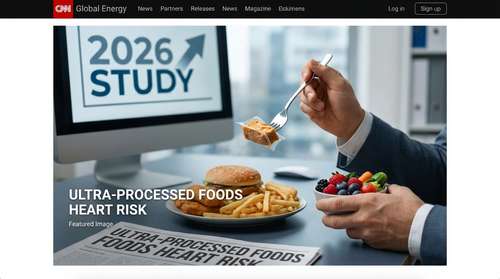
It sounds like hyperbole, but fresh clinical data released this week paints a stark picture: your pantry staples might be doing more damage to your body than previously imagined. Landmark research finalized this week in the American Journal of Medicine and Cell Metabolism has exposed a staggering reality about modern diets. High consumption of ultra-processed foods (UPFs) increases the risk of major cardiovascular events by a massive 67%.
This is not simply a matter of weight gain. The latest data on UPF health effects in 2026 reveals that these industrially formulated products trigger physiological havoc independent of their calorie counts. Beyond the profound ultra-processed foods heart risk, these items are now definitively linked to impaired metabolic and reproductive functions.
The 67% Spike: Decoding the Cardiovascular Threat
According to comprehensive 12-year research analyzing thousands of adults, the volume of processed food we eat directly correlates with cardiac emergencies. Individuals consuming more than nine servings of UPFs daily face a 67% higher risk of experiencing a heart attack, stroke, or fatal coronary event compared to those eating just one serving.
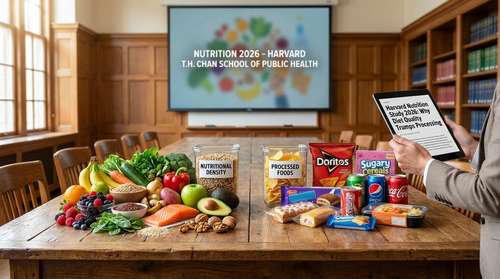
What constitutes a UPF? Under the NOVA food classification system—the global standard for categorizing food processing—these are Group 4 items heavily modified with artificial colors, emulsifiers, flavors, and preservatives. Think packaged snacks, sugary cereals, frozen chicken nuggets, and deli meats.
Dr. Amier Haidar, a cardiology fellow at UTHealth Houston who led the recent cardiovascular study, notes that the risk of an adverse cardiac event climbs by over 5% with each additional daily serving. Most alarmingly, this cardiovascular threat persists even when researchers meticulously control for overall diet quality, calorie intake, and baseline health conditions. The industrial processing itself—rather than just the sugar or fat content—appears to be the primary driver of disease.
Beyond the Heart: Processed Foods and Metabolic Health
The danger of a heavily modified diet extends far beyond the cardiovascular system. Recent investigations highlight the insidious relationship between processed foods and metabolic health.
In highly controlled clinical trials published in Cell Metabolism, participants consuming a UPF-heavy diet consistently overate, taking in significantly more calories compared to those on an unprocessed diet matched for carbohydrates, fat, and protein. These foods are scientifically engineered to bypass our natural satiety signals. Their softer textures and hyper-palatable flavor profiles encourage rapid eating, leading to metabolic strain, elevated low-density lipoprotein (LDL) cholesterol, and chronic systemic inflammation.
Over time, this constant state of low-grade inflammation damages the vascular endothelium—the delicate lining of your blood vessels—and severely disrupts normal metabolic function. The destruction of the natural food matrix means these foods require less oral processing and are digested at an unnatural speed, creating sharp spikes in blood sugar and sustained oxidative stress.
A Hidden Threat: Reproductive Health and Nutrition
Perhaps the most surprising revelation from the research updates published this week is the severe impact UPFs have on human fertility. The intersection of reproductive health and nutrition has never been clearer, with recent studies showing profound consequences for both men and women.
For men, high UPF consumption is associated with decreased fecundability. Recent data indicates that male diets heavy in industrial foods correlate with lower testosterone levels, impaired sperm production, and increased exposure to endocrine-disrupting chemicals like phthalates, which are commonly used in food packaging plastics.
For women, the effects reach into the earliest, most vulnerable stages of pregnancy. Researchers at Erasmus University Medical Center discovered that maternal diets high in ultra-processed products were linked to slower embryonic growth and smaller yolk sacs during the critical first seven weeks of gestation. This early developmental lag is a known risk factor for negative outcomes, including premature birth and low birth weight.
Transitioning to a Heart Disease Prevention Diet
Reversing these risks requires a conscious pivot toward whole foods. Adopting a heart disease prevention diet does not demand absolute perfection, but it does require minimizing reliance on the center aisles of the grocery store.
The core focus should be on healthy eating for longevity. This involves replacing pre-packaged convenience meals with foods close to their natural state: fresh vegetables, whole grains, legumes, and lean proteins.
Practical Steps for Dietary Change
- Read Labels Carefully: If an ingredient list contains elements you wouldn't find in a home kitchen—like high-fructose corn syrup, hydrogenated oils, or artificial emulsifiers—it is best left on the shelf.
- Prep Whole Foods: Swap flavored, heavily sweetened yogurts for plain Greek yogurt with fresh berries. Trade mass-produced frozen dinners for batch-cooked whole grains and roasted vegetables.
- Snack Smart: Replace extruded, puffed snacks with raw nuts, seeds, or apple slices to maintain natural fiber intake and support satiety.
The science is unambiguous. Cutting back on industrially manufactured foods is no longer just a weight-loss strategy; it is an urgent medical necessity for protecting your heart, preserving your fertility, and ensuring optimal long-term health.