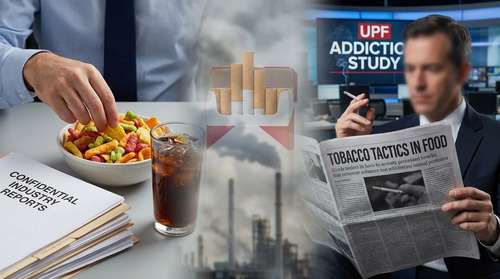
February 20, 2026 – The war on dinner has just entered a new, litigious phase. Following a groundbreaking study published in The Milbank Quarterly this month, the debate over ultra-processed foods (UPFs) has shifted from simple nutrition to industrial addiction engineering. As of February 19, legal teams in San Francisco have resurrected a high-profile lawsuit against major food manufacturers, citing this very research to argue that ultra-processed foods addiction is a manufactured crisis, not a failure of willpower. The revelation? Your favorite snacks aren't just tasty—they are biologically designed to hijack your brain, mirroring the exact playbook used by Big Tobacco decades ago.
The New Tobacco Playbook: Engineering Addiction
The study that has ignited this firestorm reveals a disturbing truth: the food industry has been operating with a secret engineering manual. Researchers found that manufacturers are not merely creating food; they are optimizing chemical delivery systems. By stripping natural fibers, water, and protein from raw ingredients, companies create products that hit the bloodstream with startling speed.
This process, known in the industry as "dose optimization," ensures that sugar and fat reach the brain's reward centers nearly instantly. According to the Milbank Quarterly findings, this rapid absorption mimics the dopamine spike caused by nicotine. The UPF tobacco industry tactics identified include manipulating texture to reduce chewing time—essentially allowing the food to melt in the mouth so you eat more before your body's satiety signals can kick in. It is a biological override switch, flipped for profit.
Legal Fallout: The San Francisco Lawsuit
The shockwaves of these findings are already being felt in courtrooms. Just this week, San Francisco officials moved to repurpose these scientific insights into a legal weapon. The revived lawsuit alleges that companies are knowingly selling addictive products that drive chronic disease, drawing a direct parallel to the tobacco litigation of the 1990s. This legal strategy relies heavily on the new consensus that these products are engineered to be impossible to quit.
The lawsuit claims that by using "hedonic engineering"—precise combinations of salt, sugar, and fat that hit the "bliss point"—corporations have created a public nuisance. This move marks a significant escalation in food industry regulation news, shifting the blame from the consumer's choices to the manufacturer's design.
2025-2030 Dietary Guidelines: A Missed Opportunity?
Amidst this scientific and legal uproar, the federal government's response has been met with mixed reactions. The newly released 2025-2030 Dietary Guidelines for Americans have faced intense scrutiny for avoiding the term "ultra-processed" entirely, opting instead for the vaguer label "highly processed."
The Controversy Over Terminology
Critics argue that this semantic choice softens the blow against the industry. By failing to explicitly name UPFs, the guidelines may have missed a critical window to warn the public about processed food health risks 2026. However, the guidelines do take a firmer stance on added sugars, recommending stricter limits that many popular UPFs currently exceed. The tension between emerging science and official policy highlights the powerful lobbying efforts still at play in Washington.
The Health Toll: Why This Matters Now
The urgency of this issue cannot be overstated. Fresh data released in mid-February 2026 paints a grim picture. A study tracking cancer survivors found that high UPF consumption was linked to a significantly higher risk of mortality, while cardiovascular researchers identified a 47% higher risk of heart attack and stroke among heavy consumers of these engineered foods.
These aren't just empty calories; they are active agents of inflammation. The addictive food additives study highlights how emulsifiers and artificial flavorings disrupt the gut microbiome, leading to systemic health issues that go far beyond weight gain. As the science solidifies, the comparison to cigarettes becomes less of a metaphor and more of a clinical reality.
What You Can Do
While regulators and lawyers fight it out, consumers are left to navigate the grocery aisles. The best defense is label literacy. If a product contains ingredients you wouldn't find in a home kitchen—like high-fructose corn syrup, protein isolates, or chemical emulsifiers—it is likely an ultra-processed product designed to override your appetite control.
For more healthvot nutrition news and updates on this developing story, stay tuned as we track the legal battles that could redefine the American food system.