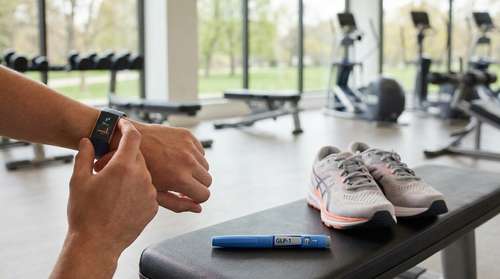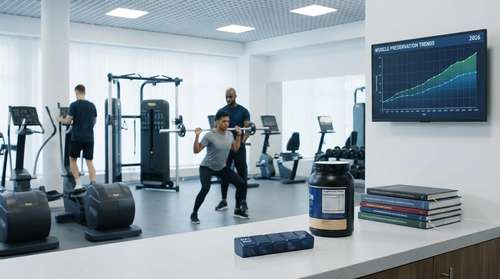
The recent FDA approval of Foundayo, an oral GLP-1 alternative to Wegovy, earlier this April 2026 has further cemented America's reliance on pharmacological weight management. But alongside the dramatic physical transformations dominating social media, clinical data has unveiled a stark reality: up to 40% of the weight lost on these medications can come from lean muscle tissue rather than fat. This metabolic trade-off has triggered a massive shift in the American fitness industry. Today, GLP-1 muscle loss prevention isn't just a wellness recommendation—it is a medical mandate.
If you are navigating this new era of metabolic health, the focus must immediately pivot from chasing the lowest number on the scale to mastering tissue quality. Without intervention, users risk a permanently lowered basal metabolic rate, creating a fragile physical state that makes long-term weight maintenance nearly impossible once the medication is stopped or titrated down.
Why Sarcopenia from Weight Loss Drugs is the Core Concern
Medications like semaglutide, tirzepatide, and the newly approved orforglipron induce significant caloric deficits by slowing gastric emptying and suppressing appetite signals in the brain. While highly effective at depleting adipose tissue, a body in a deep caloric deficit will inevitably seek internal fuel sources. Because muscle tissue is metabolically expensive to maintain, the body often prioritizes breaking down skeletal muscle for energy in the absence of adequate protein and mechanical load.
This phenomenon is leading to a surge in sarcopenic obesity—a clinical condition where an individual appears thinner but possesses a dangerously low skeletal muscle index. Medical experts evaluating sarcopenia weight loss drugs are now warning that allowing your body to catabolize muscle creates a steep vulnerability to physical frailty, severe bone density reduction, and an accelerated rebound effect.
Essential GLP-1 Muscle Loss Prevention Protocols
In 2026, the premier strategy for muscle preservation 2026 relies on two uncompromising pillars: hyper-targeted nutritional timing and structured mechanical tension.
Because these medications drastically suppress appetite, the physical window for consuming nutrients shrinks significantly. Dietitians and longevity specialists currently urge users to consume 1.2 to 1.6 grams of high-quality protein per kilogram of their goal body weight. However, the true clinical breakthrough lies in the leucine threshold. Current research emphasizes getting 2.5 to 3 grams of the amino acid leucine per meal to actively trigger Muscle Protein Synthesis. Hitting this specific target through hydrolyzed protein isolates, eggs, or lean poultry is crucial when you simply do not feel hungry enough to eat large, traditional meals.
The Ideal Ozempic Fitness Routine
Endless hours on the treadmill will actively work against your body composition goals when taking GLP-1 receptor agonists. While cardiovascular health remains vital for longevity, excessive aerobic work combined with severe calorie restriction actually accelerates lean mass depletion. The optimal Ozempic fitness routine actively prioritizes heavy lifting and compound movements over standard cardio sessions.
Instead of trying to burn more calories, your workouts should send a definitive physiological signal to your nervous system: we need this muscle to survive. Focus heavily on compound movements that recruit multiple muscle groups simultaneously, such as squats, walking lunges, deadlifts, and overhead presses. Engaging in this specific type of resistance training for weight loss two to four times a week preserves functional strength and ensures that the pounds dropping off are strictly health-compromising visceral and subcutaneous fat.
The Mandate: Strength Training for Wegovy and Zepbound Users
The clinical landscape is no longer treating these medications as standalone miracles. Efficacy now depends heavily on a hybrid care model. Strength training for Wegovy, Foundayo, and Mounjaro users provides the mechanical tension necessary to keep the cellular growth pathways open, overriding the drug's potential catabolic effects.
Recent clinical trials highlight that individuals who combined their GLP-1 therapy with a supervised lifting program retained significantly more lean mass and gained functional power compared to a medication-only or cardio-only group. To protect your joints and optimize your metabolism, progress gradually. You do not need to become a competitive bodybuilder; you simply need to challenge your muscular endurance consistently to offset the drug-induced metabolic slowdown.
Fitness Trends HealthVot Expects to Define the Future
The outdated societal obsession with simply getting skinny is officially dead. The most significant fitness trends healthvot is monitoring involve tracking weight quality through quarterly DEXA scans or comprehensive bioimpedance testing. Patients, physicians, and trainers are entirely shifting their metrics of success from the flawed Body Mass Index to the total muscle-to-fat ratio.
The long-term success of pharmacological weight loss treatments hinges entirely on metabolic optimization. If you plan your clinical transition properly by focusing entirely on muscle over mass, you will not just emerge as a smaller version of yourself. You will build a metabolically active, highly functional physique equipped to maintain your hard-earned results for decades to come.