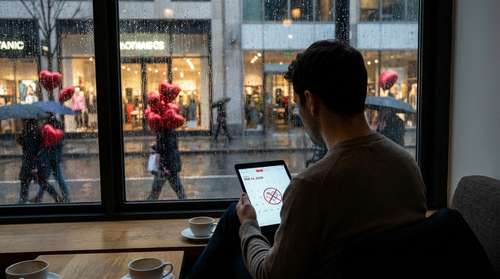
This Valentine’s Day, a new phenomenon known as the "Relationship Recession" is reshaping the romantic landscape. Instead of the usual surge in dinner reservations and bouquet deliveries, February 2026 is being marked by record levels of dating burnout. Psychologists and industry analysts warn that years of gamified romance and digital fatigue have culminated in a widespread withdrawal from the dating market, with millions of Americans choosing "intentional isolation" over the emotional exhaustion of modern courtship.
The Data Behind the Burnout: A Statistical Tipping Point
The numbers painting this picture of romantic retreat are stark. A February 2026 analysis from the Sylvia Brafman Mental Health Center reveals that the pressure to find a partner by February 14th is no longer driving engagement—it’s driving anxiety. According to a recent Forbes Health survey, a staggering 78% of users now report experiencing dating app burnout, characterized by emotional detachment and cynicism.
Research from Flinders University supports this, finding that frequent dating app users are currently reporting significantly higher levels of anxiety and depression compared to non-users. The study identifies a specific cycle of "chronic rejection and ambiguous signaling"—commonly known as ghosting or breadcrumbing—that has left singles emotionally depleted. This isn't just a temporary dip in enthusiasm; it is a structural shift in how people view the return-on-investment of dating.
The 'Validation Trap': Why Valentine's Day 2026 Hits Different
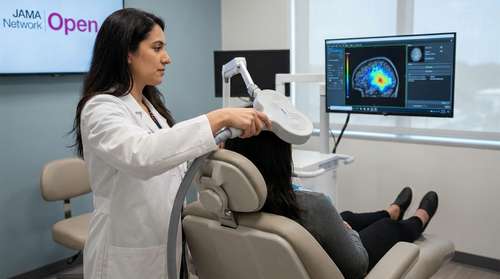
Mental health experts argue that the commercial pressure of Valentine's Day exacerbates this fatigue, creating what Dr. Hannah Nearney of Flow Neuroscience calls a "validation trap." In 2026, the holiday has become less about celebrating love and more about performing adequacy.
"During the Valentine's Day period, we put additional pressure on ourselves to find connection," Dr. Nearney explains. "In doing so, we can risk finding ourselves in relationships which are not fulfilling just to 'validate' ourselves."
This year, however, singles are rebelling against this pressure. The "Relationship Recession" describes a collective refusal to participate in this validation cycle. Instead of frantically swiping to secure a date for the 14th, many are opting for intentional isolation—a protective measure to reclaim their mental space and emotional energy.
From 'Situationships' to 'Clear-Coding'
The vocabulary of dating is evolving to reflect this burnout. While terms like "situationship" dominated previous years, 2026 is seeing the rise of "Clear-Coding." This trend involves being radically transparent about one’s lack of capacity for a relationship, effectively shutting down ambiguity before it begins.
This shift is a direct response to the "dating app exhaustion" that has plagued Gen Z and Millennials. A report on 2026 dating trends highlights that 75% of users admit to deleting and reinstalling apps in a compulsive cycle, a behavior strongly linked to impulsivity and lower self-esteem. By choosing to opt out, singles are breaking this cycle. The rise of "micro-dates"—brief, 15-30 minute meetups designed to minimize time investment—further signals a move toward efficiency and self-preservation over romantic idealism.
The Mental Health Toll of Digital Romance
The correlation between heavy app usage and emotional fatigue is undeniable. New data suggests that the constant "market mindset" of comparing potential partners has eroded the ability to form deep connections. When human beings are reduced to profile stats, the psychological toll is heavy. This year's relationship recession is essentially a market correction, where the "consumers" of dating apps are going on strike until the conditions of the exchange improve.
Intentional Singlehood as a Status Symbol
Perhaps the most fascinating aspect of this trend is the rebranding of singlehood. Intentional singlehood is no longer seen as a failure but as a status symbol of mental wellness. In a culture obsessed with optimization, choosing to opt out of a "failing market" is being framed as a smart, strategic decision.
Social media feeds, usually flooded with couples' photos in mid-February, are seeing a surge in content celebrating "JOMO" (Joy of Missing Out) regarding Valentine's plans. This "intentional isolation" is not about loneliness; it is about autonomy. It is a declaration that one’s mental health is more valuable than a performative dinner date.
Navigating the Recession: Advice for 2026
For those still seeking connection amidst the burnout, experts suggest a radical change in strategy. The focus is shifting from "finding the one" to protecting one's peace.
- Limit Screen Time: Treat dating apps like any other high-stress activity—set strict time limits.
- Prioritize "Experience Dating": Move offline quickly. Activities like run clubs or cooking classes are replacing the coffee date, allowing for organic connection without the interview-style pressure.
- Embrace "Palentine's": Non-romantic connections are proving to be a more stable source of dopamine this February.
The "Relationship Recession" of 2026 is a wake-up call. It signals that the current model of digital dating is unsustainable for our collective mental health. As Valentine's Day mental health becomes a priority, the most romantic gesture you can make this year might just be deleting the apps and taking yourself out to dinner.