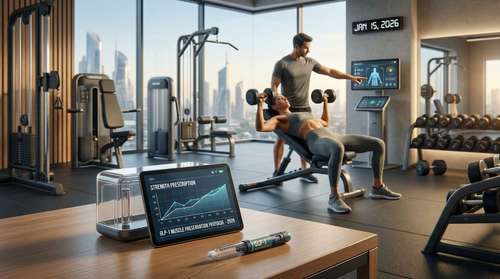
In early 2026, the lines between your doctor's office and your local gym have officially blurred. As Medicare prepares to expand coverage for GLP-1 weight-loss medications this April, a massive influx of new patients is expected to join the millions already taking drugs like Ozempic, Wegovy, and Zepbound. But this year, the prescription comes with a critical addendum: a mandatory gym membership. Major fitness chains and boutique studios are rushing to launch medicalized fitness programs designed specifically to combat the significant muscle loss associated with these rapid weight-loss drugs. This isn't just a trend; it's the dawn of the "Pharma-Fitness" era.
The Muscle Preservation Crisis: Why Lifting is Non-Negotiable
The catalyst for this industry-wide shift is a growing body of medical evidence concerning body composition changes. While GLP-1 agonists are miracle workers for appetite suppression, clinical data indicates that up to 40% of the weight lost on these medications can be lean muscle mass—a condition now colloquially known as "Ozempic Face" or "Ozempic Body," but medically referred to as sarcopenia.
For patients, this muscle atrophy poses severe long-term risks, including a slower metabolism and reduced mobility. "In 2026, we are no longer just suggesting exercise; we are prescribing specific protocols," says Dr. Elena Rios, a metabolic health specialist. "Without high-intensity resistance training, patients risk ending their treatment 'skinny fat'—lighter on the scale but metabolically unhealthy." This medical reality has forced the fitness industry to pivot from aesthetics to clinical support, creating a new category of medicalized fitness programs.
How Major Gyms Are Pivoting in 2026
Leading fitness brands are aggressively capitalizing on this new demographic by integrating healthcare services directly into their membership models.
Equinox and the Luxury Clinical Model
Luxury giant Equinox has doubled down on its "GLP-1 Protocol," a specialized coaching tier that pairs personal training with medical oversight. Their 2026 strategy involves "habit-coaching" where trainers—certified through new partnerships with organizations like the ISSA—design routines specifically to counteract fatigue and muscle degradation. These programs prioritize compound movements like deadlifts and squats over cardio, aiming to stimulate muscle protein synthesis even when caloric intake is drastically low.
Life Time's "Fibermaxxing" and Metabolic Testing
Life Time has taken a holistic approach, recently making headlines with its focus on "fibermaxxing"—a direct response to the digestive side effects of GLP-1s. Beyond the gym floor, their clubs now offer comprehensive metabolic testing to monitor real-time changes in lean mass. Their "Move for a Life Time" initiative frames strength training as a medical necessity, ensuring members understand that retaining muscle is key to keeping the weight off long-term.
Budget-Friendly and Digital Solutions
The trend isn't exclusive to luxury clubs. Planet Fitness has rolled out accessible educational guidelines for members on weight-loss meds, democratizing access to critical information. Meanwhile, digital platforms like Pvolve have partnered with weight-management giant WeightWatchers (now WW) to offer low-impact, joint-friendly workouts tailored for those who might be new to exercise or dealing with lower energy levels due to reduced caloric intake.
The New Workout: What a "GLP-1 Exercise Routine" Looks Like
So, what does a "medicalized" workout actually entail? Unlike traditional bodybuilding or HIIT classes, these GLP-1 exercise routines are engineered for efficiency and preservation.
- Volume vs. Intensity: Workouts often feature lower volume but higher intensity to stimulate muscle retention without exhausting a calorie-depleted body.
- Focus on Posterior Chain: Exercises heavily target the glutes, hamstrings, and back to support posture and counteract the frailty risks associated with rapid weight loss.
- Recovery Integration: With recovery capacity compromised by low energy intake, these programs frequently mandate longer rest periods and emphasize sleep hygiene as part of the training log.
Medicare's April 2026 Expansion: A Game Changer
Perhaps the biggest driver of this trend is the upcoming policy shift. Starting in April 2026, Medicare will begin covering GLP-1 medications for a broader range of obesity-related conditions. This policy change effectively validates obesity as a chronic disease requiring comprehensive management, not just a prescription pad. Analysts predict this will flood gyms with an older demographic who have specific, medically necessary fitness needs, further cementing the bond between healthcare providers and fitness facilities.
The Future of Pharma-Fitness
As we move deeper into 2026, the collaboration between pharmaceutical giants and fitness brands will likely deepen. We are already seeing the emergence of "Wegovy pills"—oral versions of the drug—which promise to make adherence easier and the user base even larger. For the fitness industry, the message is clear: adapt to the medical needs of this growing population or risk irrelevance. The gym of the future isn't just a place to get fit; it's the pharmacy's most important partner.