A groundbreaking joint study released this Monday by the University of Oxford and Cambridge has sent shockwaves through the health sector, confirming that without targeted intervention, long-term GLP-1 users face a nearly 40% reduction in lean muscle mass within 18 months. As millions of Americans rely on semaglutide for weight management, the fitness industry is rapidly pivoting to address this new reality. The era of cardio-obsessed weight loss is over; in 2026, the primary goal is to maintain muscle on Ozempic. This cultural shift has birthed the "Ozempic Gym" boom, where high-end health clubs and budget chains alike are rolling out specialized protocols designed to save patients from the hidden dangers of rapid slimming.
The Science: Why Sarcopenia Prevention 2026's Urgent Focus
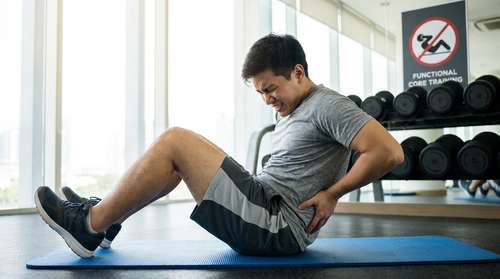
The term "sarcopenic obesity"—a condition where an individual has low muscle mass despite having a normal or high body fat percentage—has moved from medical journals to mainstream discourse. The new Oxford-Cambridge data highlights a critical mechanism: when the body loses weight rapidly due to appetite suppression, it indiscriminately burns both fat and muscle tissue for fuel. For patients preventing muscle loss on Wegovy or Zepbound, this catabolic effect can be devastating, accelerating aging processes typically seen in seniors.
Dr. Elena Rostova, a lead researcher on the study, noted, "We are seeing 30-year-olds with the muscle density of 60-year-olds. The medication solves the metabolic crisis of obesity but introduces a structural crisis of frailty if not paired with heavy resistance." This potential loss of functional strength explains why sarcopenia prevention 2026 has become the buzzword of the year, driving patients to seek professional guidance rather than just riding the wave of appetite suppression.
The "Prescription Strength" Pivot: Weight Loss Drug Fitness Programs
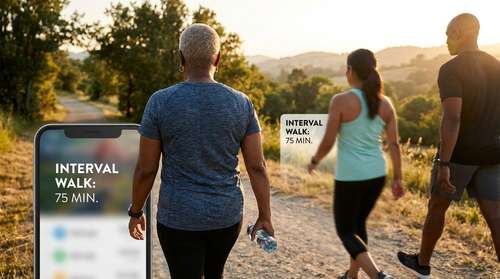
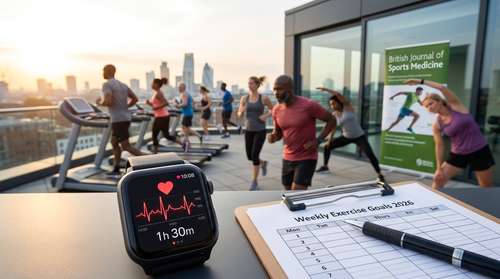
In response, major fitness operators like Equinox and Life Time have fully operationalized what they piloted in 2024. These weight loss drug fitness programs are no longer niche offerings but central pillars of their business models. The strategy has shifted from calorie-burning boot camps to lower-volume, higher-intensity strength work designed specifically to counteract the fatigue and low energy availability often associated with GLP-1 agonists.
These "Medical Fitness" tracks differ significantly from traditional personal training. Trainers are now certified in metabolic health, understanding that a client on a GLP-1 agonist cannot recover from workouts as quickly as a natural athlete. The focus is on muscle preservation workouts that stimulate hypertrophy (growth) signals without driving the client into a recovery hole.
Inside the Protocol: GLP-1 Resistance Training
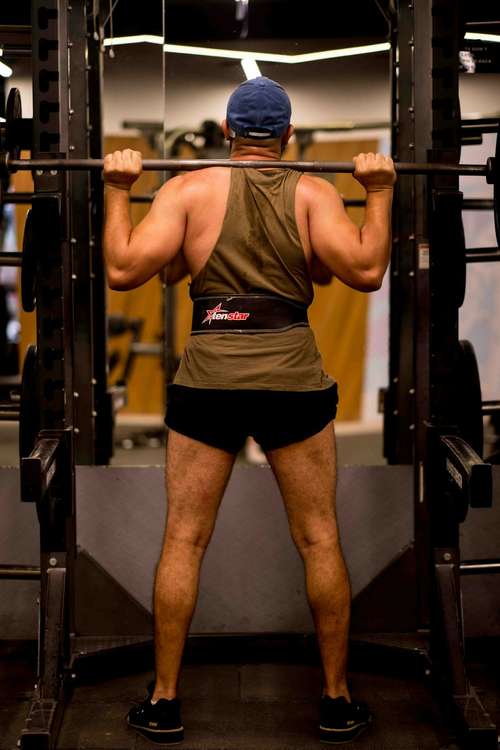
What does an "Ozempic-optimized" workout look like? It prioritizes compound movements and progressive overload over sweat-drenched cardio sessions. Experts suggest that GLP-1 resistance training must be efficient. Since the drugs reduce glycogen stores and caloric intake, users often lack the fuel for 60-minute sessions. The new standard is 30 to 40 minutes of heavy, low-rep lifting centered on squats, deadlifts, and presses.
Key components of these protocols include:
- Frequency: 3-4 days per week of full-body resistance training.
- Intensity: High mechanical tension (heavy weights) to signal muscle retention.
- Nutrition: Aggressive protein targets (1.6g per kg of body weight) to support tissue repair.
- Recovery: Extended rest periods between sets to manage systemic fatigue.
Strength Training for Longevity: The New Vital Sign
The conversation has fundamentally shifted from vanity to viability. Strength training for longevity is now the primary motivation for the millions of users entering these programs. Muscle is increasingly viewed as a "vital sign"—an organ that regulates metabolism, insulin sensitivity, and immune function. The "Ozempic Gym" boom is ultimately about reframing fitness not as a way to get smaller, but as a mandatory medical prescription to stay strong while the drugs do the shrinking.
As we move deeper into 2026, the integration of healthcare and fitness is becoming seamless. With insurers beginning to subsidize gym memberships for GLP-1 patients to prevent future hospitalization costs, the "gym" is effectively becoming the new pharmacy. For anyone on these medications, the message from the medical community is now crystal clear: the drug will handle the fat, but you must handle the muscle.