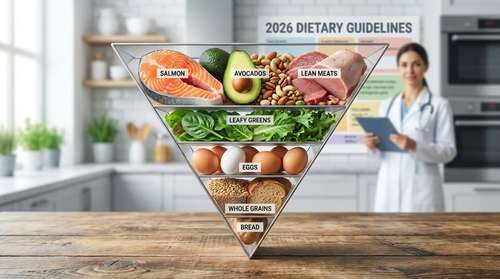
The U.S. government has officially overhauled decades of nutrition advice with the release of the 2025-2030 Dietary Guidelines for Americans, marking the most radical shift in federal food policy since the original food pyramid of 1992. Unveiled on January 7, 2026, by Health and Human Services (HHS) Secretary Robert F. Kennedy Jr. and USDA officials, the new framework introduces an "inverted food pyramid" that flips traditional wisdom on its head.
Under the banner of the Make America Healthy Again (MAHA) initiative, the new guidelines deprioritize grains and carbohydrates in favor of high-quality animal proteins, full-fat dairy, and healthy fats. This historic pivot aims to combat the nation's chronic disease epidemic by encouraging Americans to "Eat Real Food" and eliminate ultra-processed ingredients. For millions of Americans, this signals a complete transformation of what a "balanced diet" looks like.
The Protein-First Strategy: Flipping the Script on Nutrition
The most striking feature of the 2026 guidelines is the recommendation to significantly increase protein intake. While previous guidelines set the minimum at 0.8 grams per kilogram of body weight, the new standards push this target to 1.2 to 1.6 grams per kilogram. This change reflects the administration's stance that Americans have been under-consuming nutrient-dense proteins necessary for metabolic health.
The visual representation of the "inverted pyramid" places red meat, poultry, eggs, and seafood at the widest section, signaling that these should form the foundation of the American diet. This is a stark departure from the grain-heavy base of the 1990s pyramid and the balanced segments of MyPlate.
The Return of Full-Fat Dairy
In another controversial move, the new guidelines explicitly endorse full-fat dairy products like whole milk, butter, and cheese, moving away from the low-fat or fat-free recommendations that have dominated public health messaging for forty years. The rationale cites emerging research suggesting that the matrix of nutrients in whole dairy foods offers metabolic benefits that processed low-fat versions do not.
The War on Highly Processed Foods
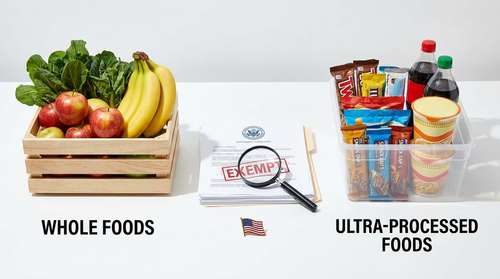
Central to the MAHA health policy is a zero-tolerance approach to "highly processed foods." For the first time, federal guidance draws a hard line against products containing refined carbohydrates, seed oils, and chemical additives.
Secretary Kennedy emphasized that the new policy is designed to disrupt the "addiction model" of the food industry. Key changes include:
- Strict Sugar Limits: A recommendation of "no amount" of added sugar for children under age four.
- Redefining "Healthy": Foods previously labeled healthy but containing high fructose corn syrup or artificial dyes are now categorized as items to avoid.
- School Lunch Overhaul: A proposed timeline to remove ultra-processed foods from the National School Lunch Program by 2028.
Critics Push Back: The Saturated Fat Debate
The release has sparked intense debate within the scientific community. Nutrition experts from institutions like Harvard and the American Heart Association have voiced serious concerns regarding the potential long-term effects of a high-saturated-fat diet.
Critics argue that while reducing processed sugar is universally accepted, the unlimited endorsement of red meat and butter could reverse decades of progress in heart disease prevention. "An inverted pyramid is an odd construct that conveys a shaky foundation," noted one prominent epidemiologist, highlighting the lack of emphasis on fiber-rich plant proteins like beans and legumes.
Furthermore, dietitians warn that the average American already consumes more than the recommended daily allowance of protein, and that doubling this intake could strain the kidneys and lead to other metabolic issues for certain populations. The lack of a specific daily fiber target in the main visual has also raised alarms about gut health.
Practical Takeaways: How to Adapt
Navigating these new, polarization guidelines can be confusing. Here is how to apply the core principles safely:
- Focus on Whole Foods: The safest bet is to follow the "Eat Real Food" slogan. Prioritize single-ingredient foods like steak, eggs, avocados, and seasonal vegetables.
- Quality Over Quantity: When increasing animal protein, opt for grass-fed or pasture-raised options to maximize omega-3 fatty acids.
- Don't Ditch the Fiber: While grains are minimized, ensure you are getting ample fiber from non-starchy vegetables and low-sugar fruits like berries.
As the USDA begins to implement these guidelines across federal programs, the 2026 food pyramid stands as a testament to a changing philosophy—one that prioritizes metabolic density over caloric quantity.