The era of counting steps is officially over. According to the 2026 ACSM Worldwide Survey of Fitness Trends, released earlier this year and corroborated by market analysis from Vertu just this week, the fitness industry has undergone a seismic shift toward metabolic fitness trackers and real-time biofeedback. While wearable technology has topped the charts before, 2026 marks the arrival of "Metabolic Intelligence"—a new frontier where your biological data, not just your movement, dictates your workout intensity.
The Shift from Output to Input
For decades, fitness tracking focused on output: how fast you ran, how heavy you lifted, or how many calories you burned. The Metabolic Revolution flips this script by focusing on input—the internal physiological state of your body in real-time. A pivotal study published on February 3, 2026, involving middle-aged endurance athletes, highlighted how continuous glucose monitoring (CGM) combined with machine learning is now capable of predicting heart rate variability (HRV) with unprecedented accuracy. This means your device doesn't just record what you did; it tells you what your body is capable of doing right now.
Dr. Cayla McAvoy, lead author of the ACSM 2026 trends report, noted that while nearly half of U.S. adults own a wearable, the usage has evolved. "The question is no longer whether people will use wearables," she stated. "What matters now is teaching people how to use them for real-time biological efficiency." This aligns with the new wave of biohacking fitness trends that prioritize metabolic flexibility over brute force.
New Tech: Beyond the Wrist
The hardware driving this revolution has advanced significantly in the last 12 months. As highlighted in Vertu’s February 4th market report, 2026 has seen the explosion of smart rings and non-invasive sensors that go far beyond simple heart rate tracking. Key innovations dominating the market include:
- Optical Glucose Sensing: New wearables from major tech giants are pushing closer to non-invasive glucose tracking, allowing runners to see fuel dips before they bonk.
- Cortisol & Stress Monitoring: Devices like the latest Oura Ring Gen 4 and Whoop 5.0 (hypothetically updated models) now correlate sleep debt with metabolic stress, advising users to skip HIIT sessions in favor of recovery flows.
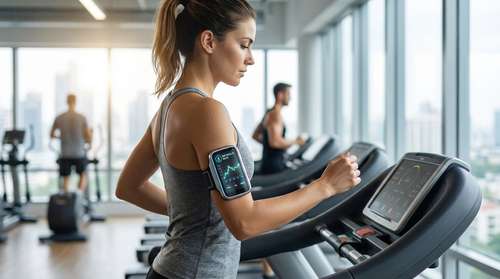
- AI-Driven Sensor Fusion: As noted in recent industry analyses, AI now synthesizes data from respiration, SpO2, and temperature to detect illness precursors days before symptoms appear.
Real-Time Biofeedback in Action
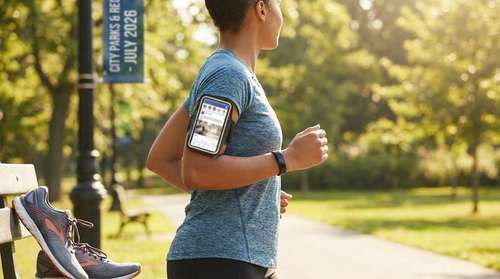
Imagine being mid-run. Your watch buzzes—not to tell you a mile split, but to alert you that your blood glucose has dropped below an optimal threshold for aerobic efficiency. Simultaneously, your headphones adjust the tempo of your music to encourage a slower pace, stabilizing your metabolic stress. This is real-time biofeedback 2026. It transforms a workout from a static plan into a dynamic conversation with your physiology.
Metabolic Health Optimization for Longevity
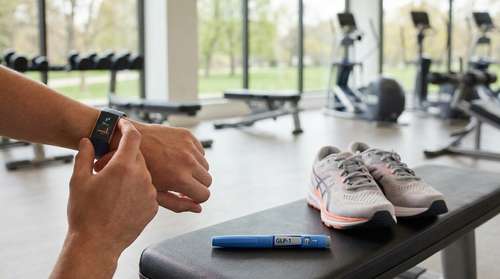
This trend isn't just for elite athletes. The ACSM report places Exercise for Weight Management and Fitness Programs for Older Adults in the top five trends for 2026. The connecting thread is metabolic health. With the rise of GLP-1 medications, maintaining lean muscle mass and metabolic function has become critical. The new breed of fitness trackers helps users visualize how specific foods and exercises impact their unique metabolic curve, fostering behavioral changes that last longer than a January resolution.
As we move further into 2026, the message is clear: The smartest athlete isn't the one who works the hardest, but the one who listens to their body the best. With the tools now available, that listening has become a precise science.