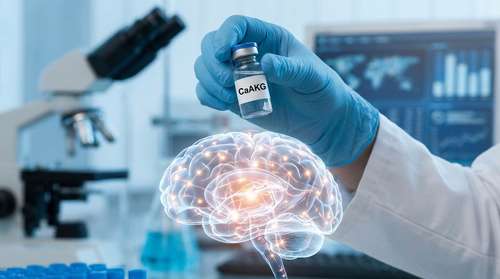
For millions fearing the shadow of Alzheimer’s and cognitive decline, a glimmer of hope has emerged from the labs of the National University of Singapore (NUS). Groundbreaking research published this week in the journal Aging Cell identifies a natural compound that doesn't just slow memory loss—it may actually help restore the broken connections in an aging brain. The molecule is Calcium Alpha-Ketoglutarate (CaAKG), a substance our bodies produce naturally but lose as we age. This discovery marks a pivotal moment in cognitive longevity 2026, suggesting that replenishing this "memory molecule" could offer a safe, non-drug path to natural brain rejuvenation.
A New Hope for Reversing Alzheimer's Naturally
The study, led by Professor Brian K. Kennedy and Dr. Sheeja Navakkode at the Yong Loo Lin School of Medicine, focused on the precise mechanisms that cause memory to falter in the early stages of neurodegeneration. In findings that have electrified the longevity community, the team demonstrated that CaAKG could restore associative memory and repair synaptic signaling in mouse models of Alzheimer's disease.
"The research suggests that safe, natural compounds like CaAKG may one day complement existing approaches to protect the brain and slow memory loss," Professor Kennedy stated. Unlike complex pharmaceutical interventions that often come with heavy side effects, CaAKG is a metabolite already familiar to the human body, potentially making it a safer candidate for healthy brain aging strategies.
The Science: How CaAKG Rewires the Brain
To understand why this is a massive leap forward for Calcium Alpha-Ketoglutarate research, we must look at how the brain learns. Memories are formed through a process called Long-Term Potentiation (LTP), which strengthens the signaling bridges between neurons. In Alzheimer's patients, toxic proteins usually gum up the works, specifically blocking receptors (known as NMDA receptors) crucial for this signaling.
Bypassing the Blockage
The NUS team discovered that CaAKG is essentially a "biological hacker." Instead of trying to fix the damaged NMDA receptors, it finds a detour. The molecule activates L-type calcium channels and calcium-permeable AMPA receptors, effectively creating a new pathway for neurons to fire and wire together. This bypass operation restored the brain's ability to lock in memories, even in the presence of Alzheimer's pathology.
Furthermore, the study found that CaAKG ramped up autophagy—the cells' internal housekeeping service. By clearing out cellular debris and damaged proteins, the molecule helps neurons stay cleaner and more resilient, offering a dual-action approach to CaAKG for memory loss.
From Lab Rats to Human Potential
While the current results are from animal models, the implications for humans are profound. Memory restoration breakthroughs are rare, and finding one that uses a compound already available as a supplement is even rarer. The study showed that the benefits were significant even when the disease pathology had already begun, suggesting it might not be too late to intervene even after early symptoms appear.
"Because AKG is already present in our bodies, targeting these pathways may offer fewer risks and broader accessibility," the researchers noted. This accessibility is key. While pharmaceutical trials can take decades, CaAKG is already being studied in human clinical trials for biological age reduction, meaning the path to verifying these cognitive benefits in people could be accelerated.
The Future of Cognitive Longevity
As we move further into 2026, the focus of anti-aging medicine is shifting from merely extending life to extending "healthspan"—the number of years spent in good health. This study places CaAKG firmly at the center of that conversation. If these results translate to humans, we could be looking at a future where a daily supplement helps maintain the electrical sharpness of our minds well into our 80s and 90s.
For now, the scientific community is buzzing with the possibility that the key to reversing Alzheimer's naturally might have been hiding in our own metabolism all along, waiting for us to just top it up.