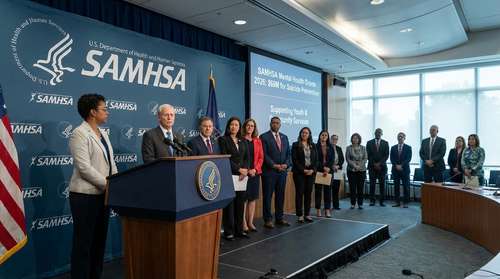
The U.S. Department of Health and Human Services (HHS), through the Substance Abuse and Mental Health Services Administration (SAMHSA), has officially launched a $69.1 million funding package to combat severe behavioral health challenges across the country. Announced on March 6, the newly available SAMHSA mental health grants 2026 specifically target vulnerable populations, offering substantial suicide prevention funding and community-based resources for children facing serious emotional disturbances.
This comprehensive investment marks one of the agency's most significant single-day releases of federal behavioral health funding this year. It aims to connect at-risk Americans with evidence-based treatment, support families, and ultimately reduce the devastating toll of untreated mental illness.
Tackling the Youth Mental Health Crisis 2026
Young people continue to bear a disproportionate share of the nation's psychological burdens. To address the ongoing Youth Mental Health Crisis 2026, SAMHSA has dedicated the largest portion of the grant package—$43 million—to the Children's Mental Health Initiative (CMHI).
This vital program finances community-based care networks for youth and young adults from birth through age 21 who are living with a serious emotional disturbance (SED). A serious emotional disturbance refers to diagnosable mental health conditions that severely disrupt a child's daily functioning at home, in school, or within their community.
The CMHI funding does not just treat existing conditions; it takes a proactive stance. Grant recipients are encouraged to use the funds to identify at-risk children early. By offering wrap-around services for both the youth and their families, the initiative focuses on stabilizing the home environment and preventing acute psychiatric emergencies before they happen.
Strengthening Care with the Zero Suicide Framework
Beyond youth interventions, the agency has allocated $16.1 million specifically to support the Zero Suicide framework. Historically, many individuals who die by suicide interacted with the healthcare system shortly before their death. The Zero Suicide model is an evidence-based, multi-setting strategy grounded in the premise that these tragic outcomes are entirely preventable within comprehensive care systems.
Hospitals, federally qualified health centers, and behavioral health providers receiving this suicide prevention funding will be tasked with embedding rigorous screening, continuous risk assessment, and targeted care directly into their routine operations. Rather than relying on a fragmented referral system, the framework ensures that any adult at risk of suicide receives immediate, standardized interventions regardless of where they enter the medical network.
Expanding Assisted Outpatient Treatment (AOT)
To round out the $69.1 million package, SAMHSA earmarked an additional $10 million for Assisted Outpatient Treatment (AOT) programs. This initiative focuses on adults with severe mental illnesses who meet state criteria for civil commitment. AOT is a court-ordered mechanism designed to help patients maintain community-based treatment regimens, thereby reducing the likelihood of repeated hospitalizations, chronic homelessness, or incarceration.
Eligibility for Federal Behavioral Health Funding
Organizations aiming to secure a portion of these grants should be aware of the distinct applicant pools for each program:
- CMHI Grants: State and local governments, tribal organizations, and specialized non-profits delivering pediatric mental health services.
- Zero Suicide Awards: Health systems, local hospitals, federally qualified health centers (FQHCs), and established behavioral health clinics looking to formalize their suicide prevention protocols.
- AOT Funding: State and local courts acting in partnership with community mental health authorities.
Shaping HHS Mental Health Policy and National Recovery
These grants arrive during a highly active period for HHS mental health policy. Federal leaders have heavily emphasized the need to expand access to addiction treatment and mental health support under broader national strategies, including the Great American Recovery Initiative.
HHS Secretary Robert F. Kennedy, Jr. highlighted that this targeted financial injection will directly address underlying systemic issues. "These grants will directly address the root causes of addiction — including homelessness and serious mental illness — and strengthen community safety by expanding treatment that prioritizes recovery, stability, and self-sufficiency," Secretary Kennedy stated during the announcement.
Echoing this sentiment, Senior Advisor for Addiction Recovery Kathryn Burgum pointed out the practical benefits of the funding. "Recovery is possible, and these investments help communities reach people earlier with the support and treatment that can change lives," she said.
Furthermore, SAMHSA Principal Deputy Assistant Secretary Christopher D. Carroll noted that addressing serious mental illness and driving down suicide rates remain top strategic priorities for the administration. The overarching goal is to permanently alter the trajectory of America's behavioral health trends by ensuring local communities have the financial resources necessary to deliver effective care.
Securing these SAMHSA mental health grants 2026 provides healthcare systems with the robust tools they need to meet patients where they are. From outfitting pediatric care centers with CMHI funds to restructuring adult psychiatric care via the Zero Suicide protocol, this federal investment establishes a critical foundation for a healthier, more resilient public.