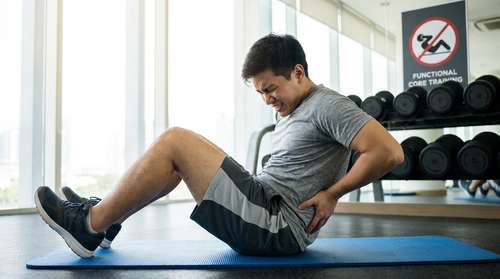
As prescriptions for medications like semaglutide and tirzepatide reach unprecedented highs this March, a dramatic shift is reshaping the wellness landscape. The era of focusing purely on the scale is over. Instead, the spotlight has firmly shifted to GLP-1 weight loss fitness, a specialized approach designed to combat the hidden cost of rapid medical weight loss: deteriorating lean tissue. Early clinical trials showed that up to 45% of the weight dropped on these medications could be muscle rather than fat. Today, the narrative is evolving. Armed with new clinical data and a deeper understanding of human metabolism, 2026 has officially become the year of the muscle preservation protocol.
The Threat of Sarcopenic Obesity
While the metabolic benefits of modern weight-loss drugs are undeniable, shedding pounds without a structured exercise regimen can lead to a severe condition known as sarcopenic obesity. This occurs when an individual loses significant muscle mass and strength while retaining a disproportionately high ratio of body fat. For those engaging in sarcopenic obesity fitness, the clinical objective has shifted from shrinking the body to fortifying it.
Recent insights from physical therapy programs in March 2026 highlight a stark reality: simply walking more and eating less won't protect your lean tissue. Physical therapists and obesity medicine experts emphasize that Ozempic muscle loss prevention requires targeted, heavy intervention. Losing metabolically active muscle tissue lowers your resting metabolic rate, making long-term weight maintenance virtually impossible once medication is reduced or stopped. Furthermore, declining muscle mass increases the risk of fatigue, joint instability, and physical frailty. A recent SLIM LIVER study revealed a 9.3% core muscle volume loss in users who only engaged in casual exercise, prompting a massive industry pivot toward medically supervised resistance training.
Decoding Muscle Mass Preservation Workouts
To counteract the catabolic nature of rapid caloric deficits, the fitness industry is abandoning endless cardio sessions in favor of hypertrophy. Today's muscle mass preservation workouts are clinical, highly structured, and prioritize progressive overload.
Whether you are following a personalized Wegovy strength training program or working with a clinical physiologist, the formula demands deliberate programming. Data from recent case series demonstrates that patients who combine their medication with structured resistance training three to five times per week preserve up to three times more muscle than those who rely on diet alone. Some patients are even gaining lean mass while dropping up to 30% of their total body weight.
Interestingly, a highly publicized March 18, 2026, study in Cell Reports Medicine offered a compelling perspective on the physical capabilities of users. Researchers found that while absolute muscle size naturally decreases during GLP-1 treatment, muscle function and relative strength can actually be preserved—or even improved—if the right stimuli are applied. Handgrip strength and knee extension power remained remarkably stable in human trials when patients adhered to strict resistance protocols.
Nutritional Synergy and Longevity
You cannot build what you do not fuel. With medications inherently suppressing appetite, hitting macronutrient goals requires extreme intentionality. Updated guidelines from obesity medicine experts this month stress that patients need 20 to 30 grams of high-quality protein per meal to signal the body to maintain lean tissue. When paired with heavy lifting, this nutritional strategy acts as a cornerstone of biohacking for longevity. It ensures that weight lost comes predominantly from visceral and subcutaneous fat stores, directly addressing the core markers of metabolic disease without sacrificing the structural integrity of the body.
The New Standard: Fitness for GLP-1 Users 2026
The demand for specialized coaching has birthed an entirely new credentialing sector. National fitness organizations are now rolling out specific GLP-1 Exercise Specialist certifications to equip trainers with the clinical knowledge required to manage the unique physiological needs of this demographic. Fitness for GLP-1 users 2026 is characterized by rigorous tracking of body composition, grip strength, and functional mobility, leaving outdated BMI charts in the past.
Forward-thinking clinical programs are now integrating advanced metrics like VO2 max estimation, sit-to-stand power tests, and waist-to-height clinical risk classifications to monitor patient progress. By shifting the focus from mere weight reduction to comprehensive functional health, these tailored regimens ensure that patients do not just become smaller. Instead, they emerge stronger, more resilient, and physically equipped for a longer, healthier life.