If you have scrolled through health feeds or spoken to a registered dietitian at any point this April, you have likely encountered the defining nutrition movement of the season. The fibermaxxing trend 2026 is rapidly reshaping how Americans approach their plates, shifting the spotlight from protein-heavy fads to the unsung hero of the digestive system: dietary fiber. While "maxxing" might sound like an extreme internet buzzword, nutrition scientists are broadly endorsing this push toward eating 30 to 35 grams of fiber per day.
The Catalyst: A Shift in Federal Nutrition Standards
The timing of this movement is no coincidence. In January, the highly anticipated 2025-2030 Dietary Guidelines were released, marking a massive reset in federal nutrition policy. The updated federal targets made headlines by significantly boosting protein recommendations to 1.2 to 1.6 grams per kilogram of body weight, depending on individual caloric needs. However, researchers from leading institutions quickly noted that while the new guidelines heavily emphasized protein, they downplayed the crucial role of fiber.
This created an immediate dietary challenge. Hitting these massive protein numbers often requires consuming large amounts of meat or dairy, which can easily crowd out plant-based foods. Dietitians recognized that without a proper protein and fiber balance, this new dietary framework could lead to widespread digestive distress. Enter fibermaxxing: a grassroots, expert-backed correction that encourages prioritizing roughage right alongside those newly elevated protein goals.
Whole Food Fiber Sources Over Supplements
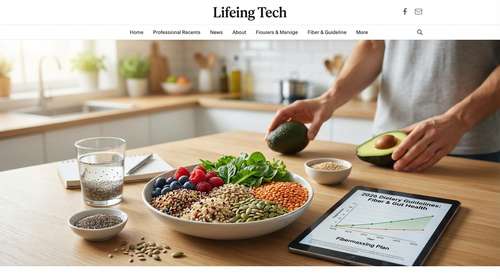
Unlike past iterations of fiber loading that relied heavily on chalky powders, the current approach champions whole food fiber sources. Today's nutritionists are challenging clients to incorporate 30 to 50 different plants into their weekly rotations. The goal is to hit daily targets by loading up on legumes, lentils, quinoa, chia seeds, and non-starchy vegetables. While a fiber supplement can act as a helpful bridge, professionals agree that relying strictly on whole foods delivers essential micronutrients, vitamins, and antioxidants that isolated powders simply cannot provide.
The Essential GLP-1 Nutrition Plan
The second major engine driving the fibermaxxing explosion is the continued integration of weight-management medications into mainstream healthcare. For millions of patients navigating life on semaglutide, tirzepatide, or retatrutide, a meticulously structured GLP-1 nutrition plan is absolutely non-negotiable.
These medications work largely by slowing gastric emptying and drastically reducing appetite. Consequently, patients face a dual challenge: eating enough total nutrients on a suppressed appetite, and managing the severe constipation that frequently accompanies delayed digestion. Dietitians emphasize that while protein prevents muscle loss, fiber is what keeps the gastrointestinal tract moving safely. A strategic mix of soluble and insoluble fiber has emerged as the frontline defense against the most frustrating GLP-1 side effects. For instance, adding just two tablespoons of chia seeds to a morning yogurt parfait provides an effortless boost of fiber, helping patients reach the optimal 25 to 35-gram target without feeling uncomfortably stuffed.
Transforming Gut Health and Metabolic Health
Beyond federal guidelines and pharmaceuticals, the science backing a high fiber diet for weight loss continues to evolve rapidly. Researchers are moving past the simple mechanism of fiber acting as bulk to make you feel full. Recent clinical studies demonstrate that fermentable fibers produce short-chain fatty acids (SCFAs) in the colon, which directly influence gut health and metabolic health.
These SCFAs communicate directly with the body to regulate appetite, reduce systemic inflammation, and stabilize blood sugar long after a meal has ended. In fact, pioneering research out of institutions like Stanford University reveals that these byproducts can even modulate gene expression, influencing how cells proliferate and defend against chronic diseases. By adopting this lifestyle, you are actively feeding the microbiome that regulates everything from your immune system to your cardiovascular function. With an estimated 95% of Americans currently falling short of their daily targets, often due to diets heavily reliant on ultra-processed foods, this renewed focus is desperately needed to correct course.
How to Approach the Movement Safely
While enthusiasm for plant-based nutrition is at an all-time high this month, gastroenterologists offer a few words of caution for anyone eager to overhaul their pantry.
- Go slow: Jumping from 10 grams to 40 grams overnight is a recipe for severe bloating and abdominal pain. Add just 3 to 5 grams of fiber every few days to allow your gut bacteria to adjust.
- Hydrate aggressively: Fiber acts like a sponge in the digestive tract. Without adequate water intake, a high-fiber regimen can actually worsen constipation rather than relieve it.
- Diversify your plate: Don't rely on just one source, like daily oatmeal. Mix in berries, artichokes, beans, and nuts to ensure a wide variety of microbial benefits.
The current nutrition landscape has never been more complex, but the simplest solutions often prove to be the most effective. As we move deeper into the spring of 2026, finding harmony between your protein intake and your plant consumption is the key to sustainable vitality. By embracing the principles behind fibermaxxing, you can secure long-term digestive resilience in an increasingly processed world.